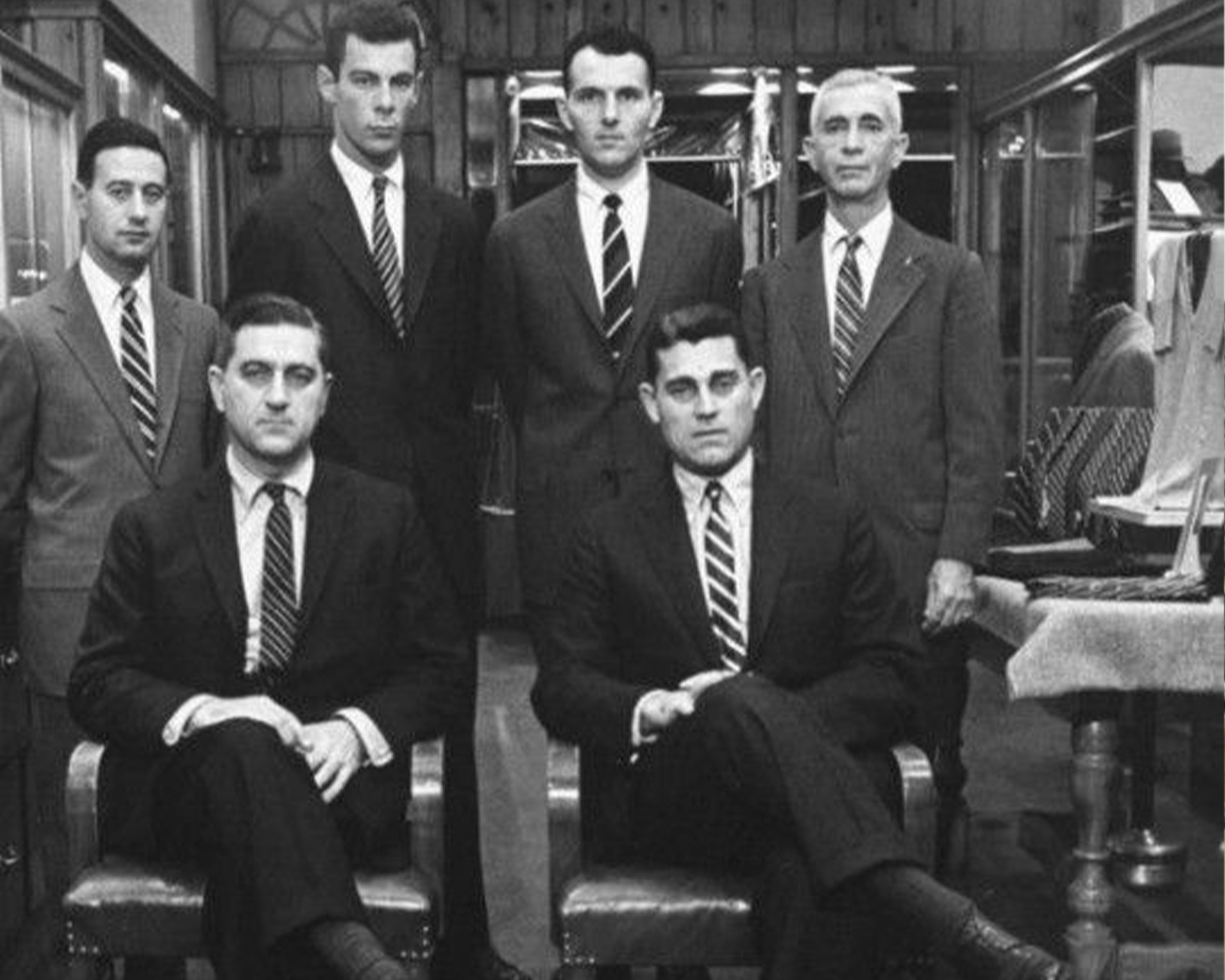
Classic Ivy League fashion outfit representing the origins of American menswear
Ivy League Fashion History: The Origins of Classic American Style
Ivy League fashion is more than a university dress code; it is the foundation of modern classic casual menswear. Emerging from American college campuses in the mid-20th century, Ivy Style shaped how generations approached clothing that balanced formality, practicality, and everyday life. This article explores the full history of Ivy League fashion, from its rise and fall to its survival and revival across cultures.
Ivy Style outfit inspired by 1950s and 1960s Ivy League campuses
What Is Ivy Style?
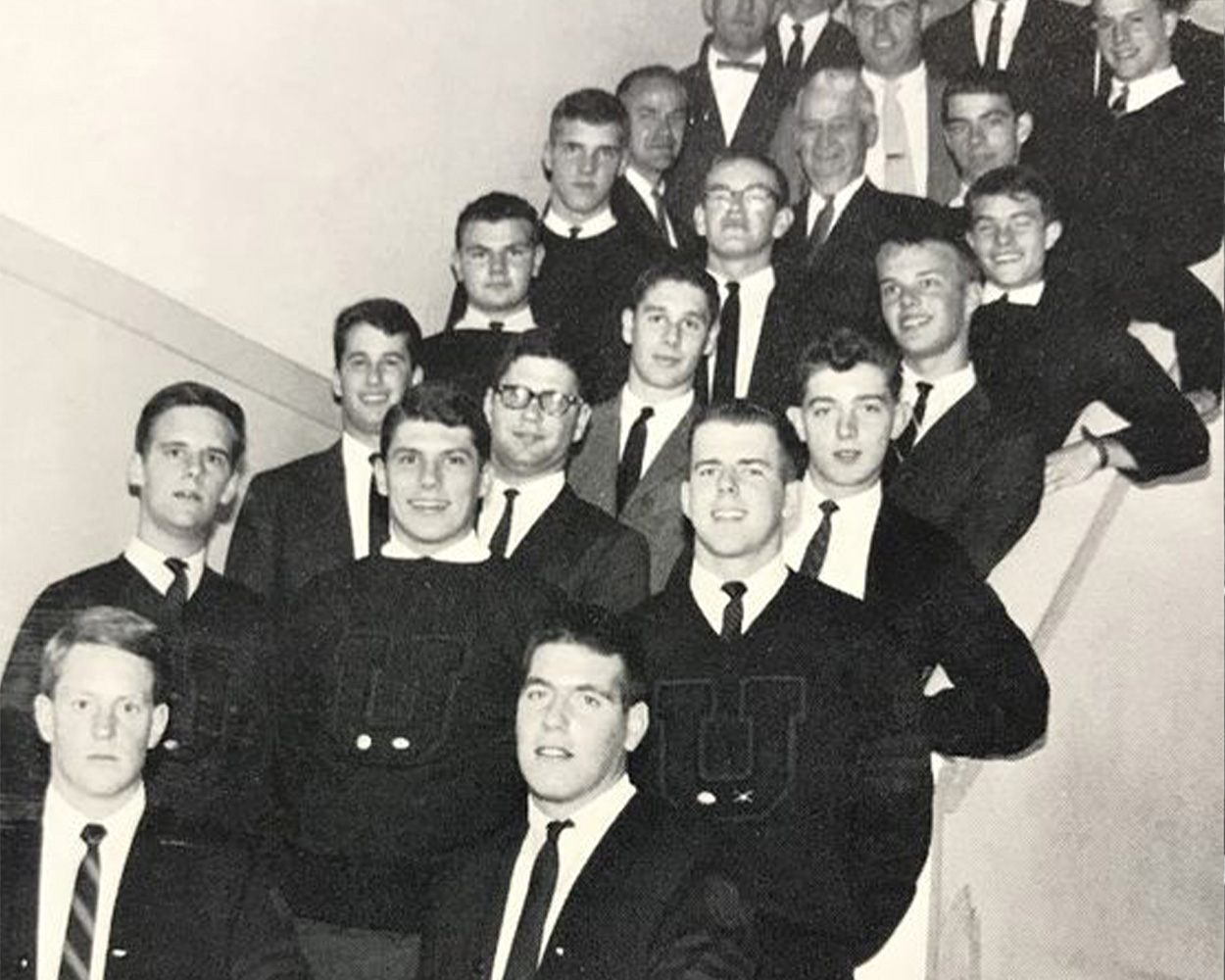
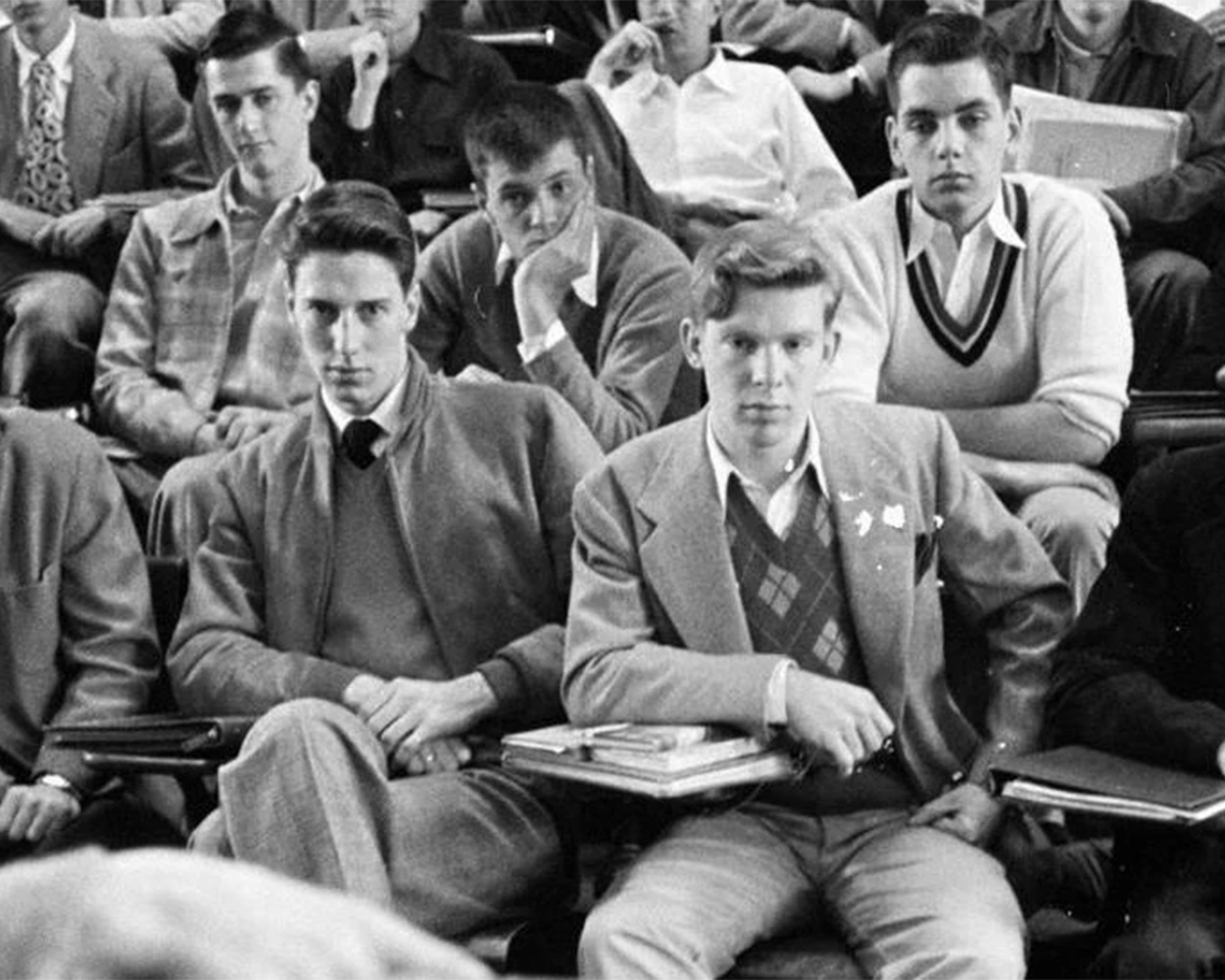
Ivy Style refers to the way students dressed on Ivy League campuses during the 1950s and 1960s. It emphasized clean silhouettes, functional garments, and understated elegance rather than seasonal trends. Over time, this campus-based style became the starting point of what we now recognize as modern classic casual fashion, influencing menswear far beyond academic environments.
Early Ivy Style influenced by military garments after World War II
The Beginning of Ivy Style After World War II
Ivy Style truly began after World War II with the introduction of the G.I. Bill, which allowed returning soldiers to attend university. Veterans brought their military garments, such as chino trousers and button-down shirts, into campus life. This blending of military practicality with academic dress created a new, relaxed form of menswear that prioritized comfort, durability, and everyday wearability.
Essential Ivy League fashion items including blazers, chinos, and button-down shirts
Essential Items of Ivy League Fashion
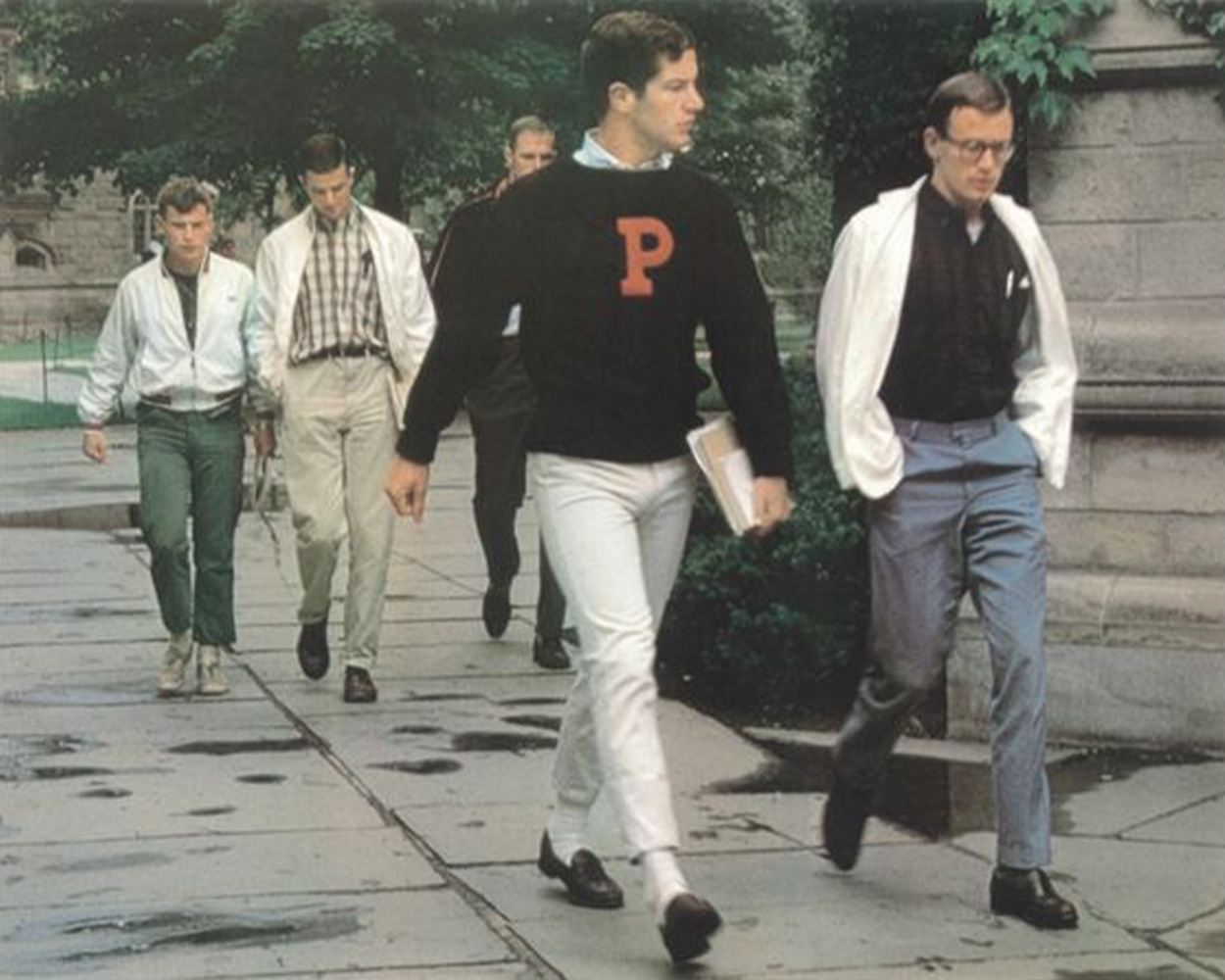
Key items defined Ivy Style and remain influential today. These include the Oxford button-down shirt, gold button navy blazer, regimental tie, and chino pants. Additional staples such as penny loafers, Shetland sweaters, cricket sweaters, and sack suits reinforced the style’s balance between casual ease and refined structure, forming a complete and versatile wardrobe system.
05-ivy-style-icons-jfk
Icons of Ivy League Style
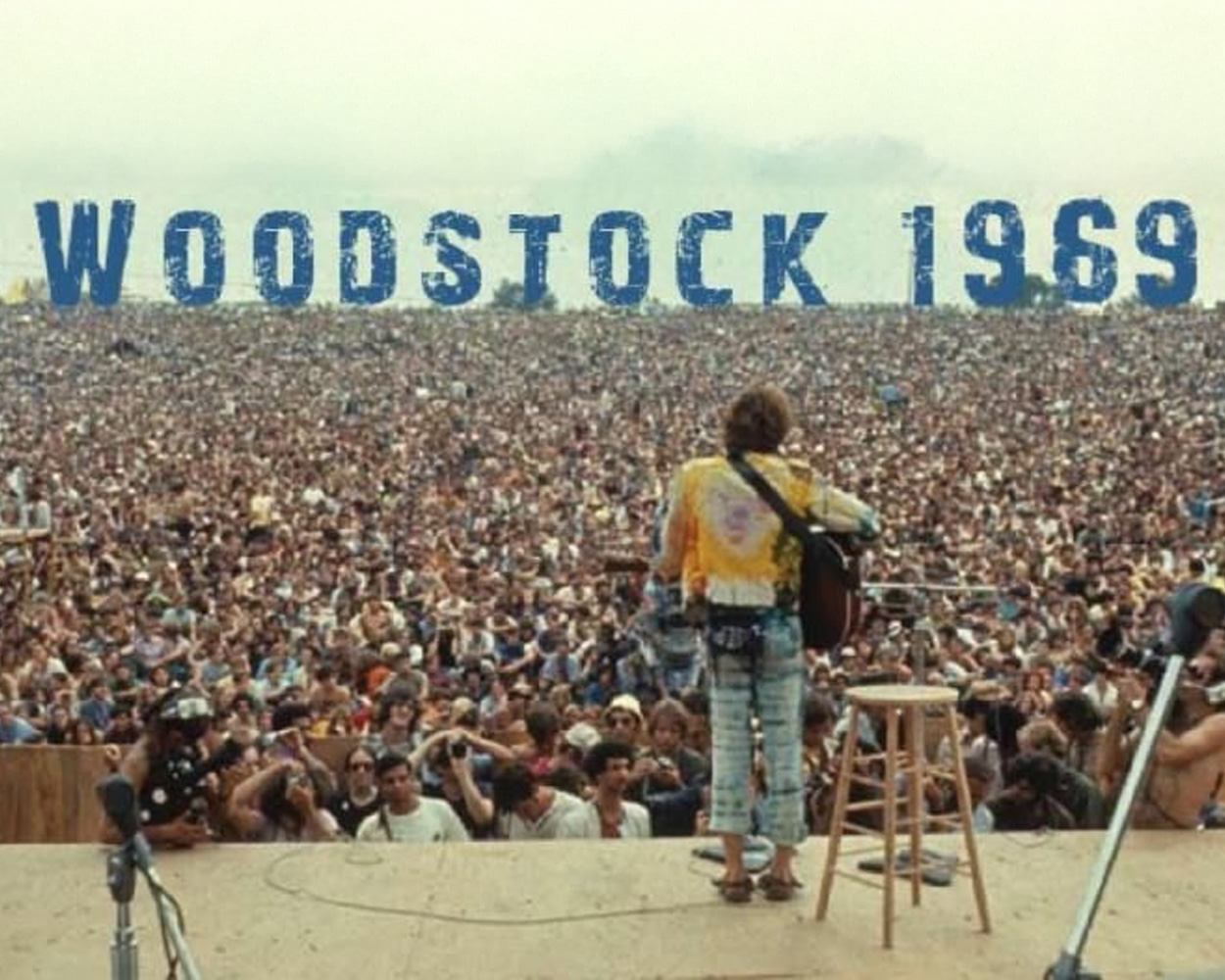
The decline of Ivy Style during the counterculture movement of the late 1960s
The Decline of Ivy Style
By the late 1960s, Ivy Style faced cultural resistance. The 1969 Woodstock Festival symbolized a generational shift toward counterculture, where Ivy Style was rejected as a symbol of elitism and establishment values. As anti-war and hippie movements gained momentum, traditional campus fashion lost its influence in youth culture.
Professional menswear influenced by Ivy Style in early Wall Street fashion
Why Ivy Style Never Disappeared
Despite its decline among youth movements, Ivy Style never truly vanished. Graduates who entered professional life continued to wear familiar, structured clothing that felt reliable and appropriate. This transition laid the foundation for Wall Street style, where clean tailoring, button-down shirts, and understated elegance became symbols of trust and professionalism.
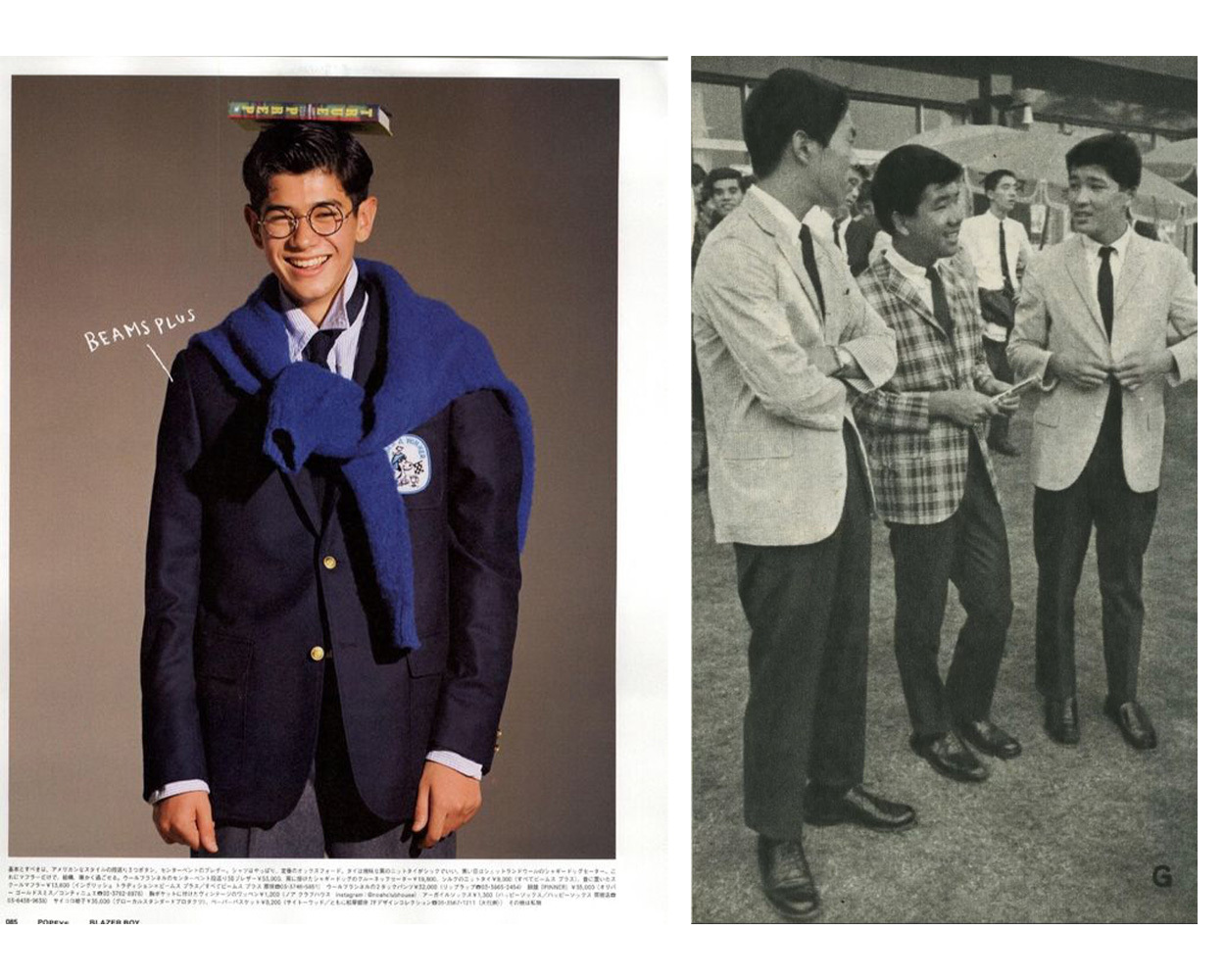
Japanese Ivy Style inspired by American campus fashion and Take Ivy
Ivy Style Preserved by Japan
After World War II, Japan looked to American culture with admiration and aspiration. Ivy Style was adopted, studied, and meticulously preserved by Japanese enthusiasts. Publications such as Take Ivy helped formalize Japanese Ivy Style, which maintained traditional details while introducing local interpretations, ensuring the style’s survival when it faded elsewhere.
Modern Ivy Style revival in Korea through contemporary menswear brands
The Revival of Ivy Style in Korea
In Korea, Ivy Style is experiencing renewed attention through communities and brands dedicated to classic menswear. Groups like Gentlemen’s Club and brands such as Renacts reinterpret Ivy principles for modern lifestyles, blending tradition with contemporary design. This movement positions Ivy Style not as nostalgia, but as a living, evolving culture.
Timeless Ivy League fashion blending classic heritage with modern style
In Korea, Ivy Style is experiencing renewed attention through communities and brands dedicated to classic menswear. Groups like Gentlemen’s Club and brands such as Renacts reinterpret Ivy principles for modern lifestyles, blending tradition with contemporary design. This movement positions Ivy Style not as nostalgia, but as a living, evolving culture.
Ivy League fashion history reveals how style can endure through adaptation rather than trend chasing. From postwar campuses to global reinterpretations, Ivy Style has remained relevant by serving real life. As new generations continue to rediscover and refine its principles, Ivy Style stands as one of the most influential foundations of modern menswear.

You May Also Like