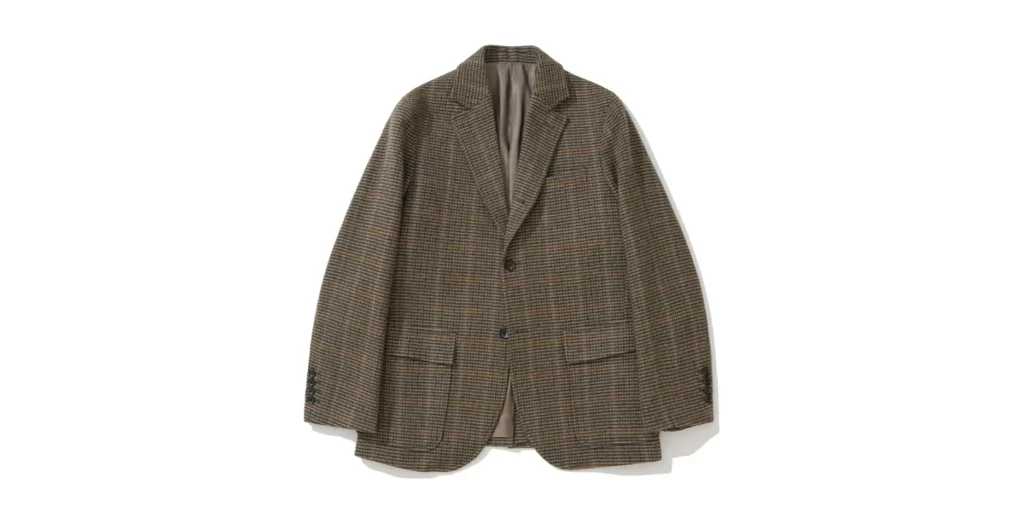
Blazer Fit Guide for Men: Shoulders, Length, Sleeves
Why a Blazer Fit Guide for Men Matters More Than Brand
This blazer fit guide men guide A $2,000 blazer that doesn’t fit looks worse than a $150 one that does. That’s not a motivational quote — it’s observable fact. Walk through Gangnam on any weekday and you’ll see it: expensive jackets with shoulders that overshoot by an inch, sleeves pooling over the wrist, chest pulling at the button. Money doesn’t fix fit.
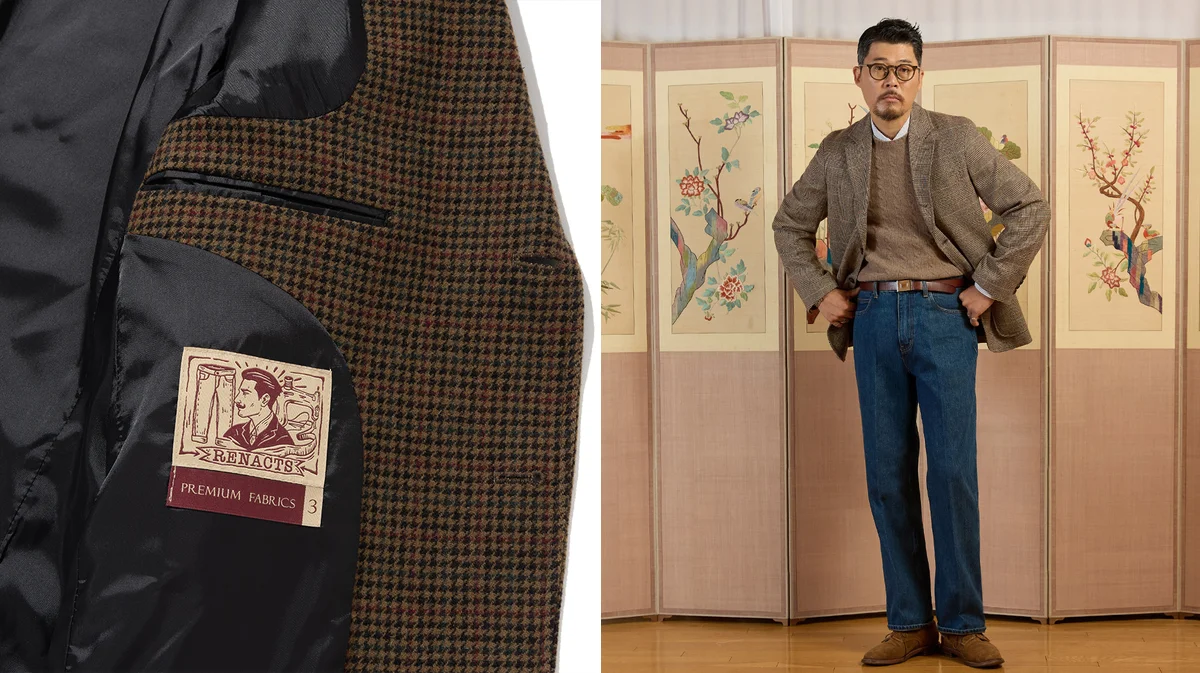
This blazer fit guide breaks down the five critical fit points — shoulders, chest, length, sleeves, and collar — so you can evaluate any blazer in 30 seconds. Whether you’re buying off the rack or getting something tailored, knowing what to look for changes everything.
Most men have never been taught how a blazer should actually sit on their body. They rely on a mirror and a vague sense of “looks okay.” That’s not enough.
Shoulders: The One Thing You Can’t Fix
For this blazer fit guide men, Start here. Always. Shoulders are the single most important fit point on any blazer because they’re the hardest — and most expensive — to alter. If the shoulders don’t fit, put the jacket back on the rack.
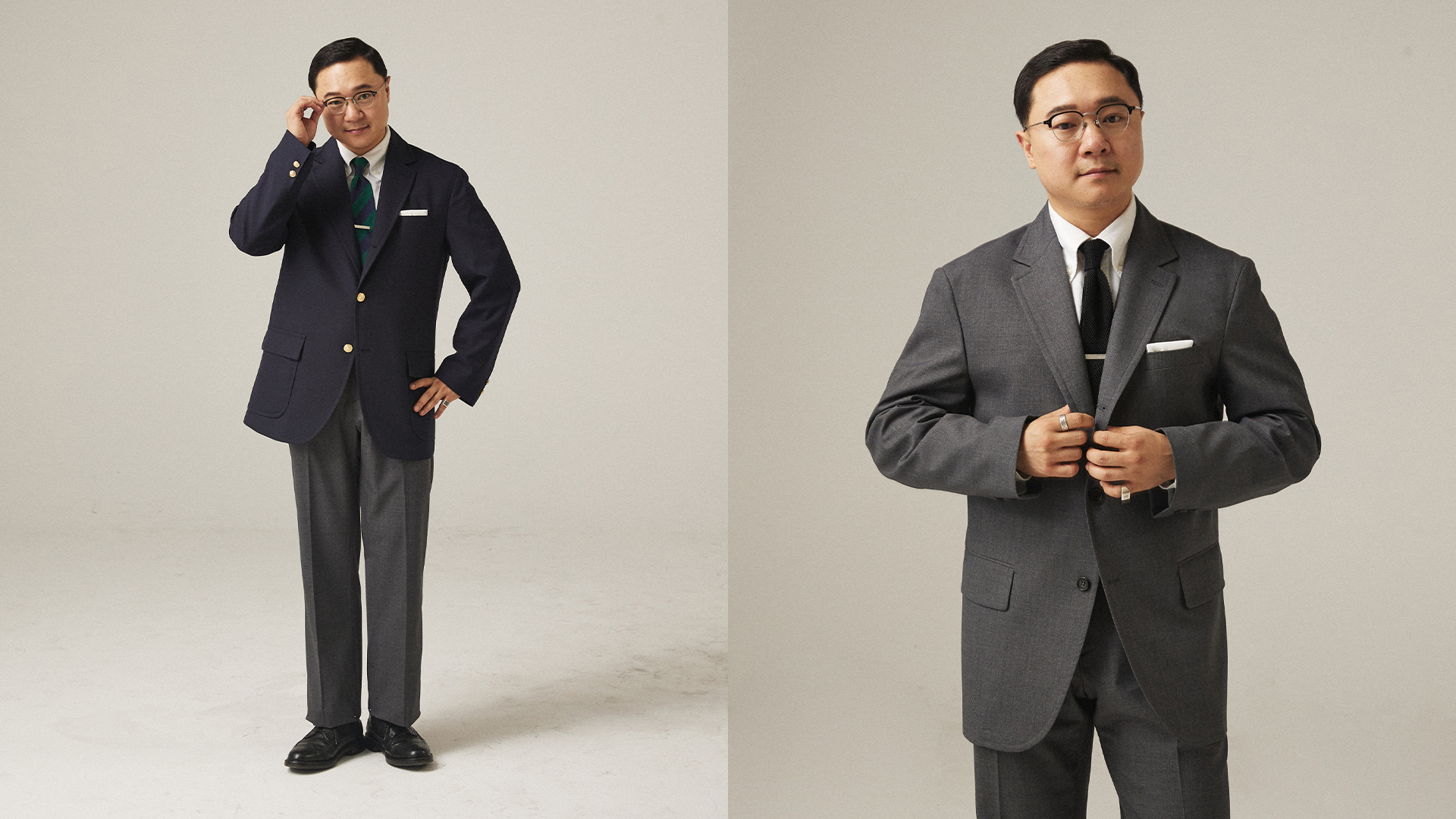
The seam where the shoulder meets the sleeve should land right at the edge of your shoulder bone. Not on your arm. Not halfway down your deltoid. Right at the point where your shoulder drops off. Press your finger into the seam — you should feel bone directly underneath.
Too wide, and the jacket looks borrowed from your older brother. Too narrow, and you’ll feel constricted every time you reach for something. A quarter inch off in either direction is acceptable. More than that, walk away.
Natural shoulder construction — the kind you find on Ivy-style sack blazers — uses minimal padding. The shoulder follows your actual body shape instead of building an artificial silhouette. It’s more forgiving than a structured Italian shoulder, but that doesn’t mean fit matters less. It means the jacket drapes from your real shoulder line, so any mismatch is more visible, not less.
Chest and Button Stance: The Pull Test
Button the jacket. If it’s a two-button, button only the top one. Three-button, the middle. This isn’t optional — it’s how blazers are designed to hang. Now look in the mirror.
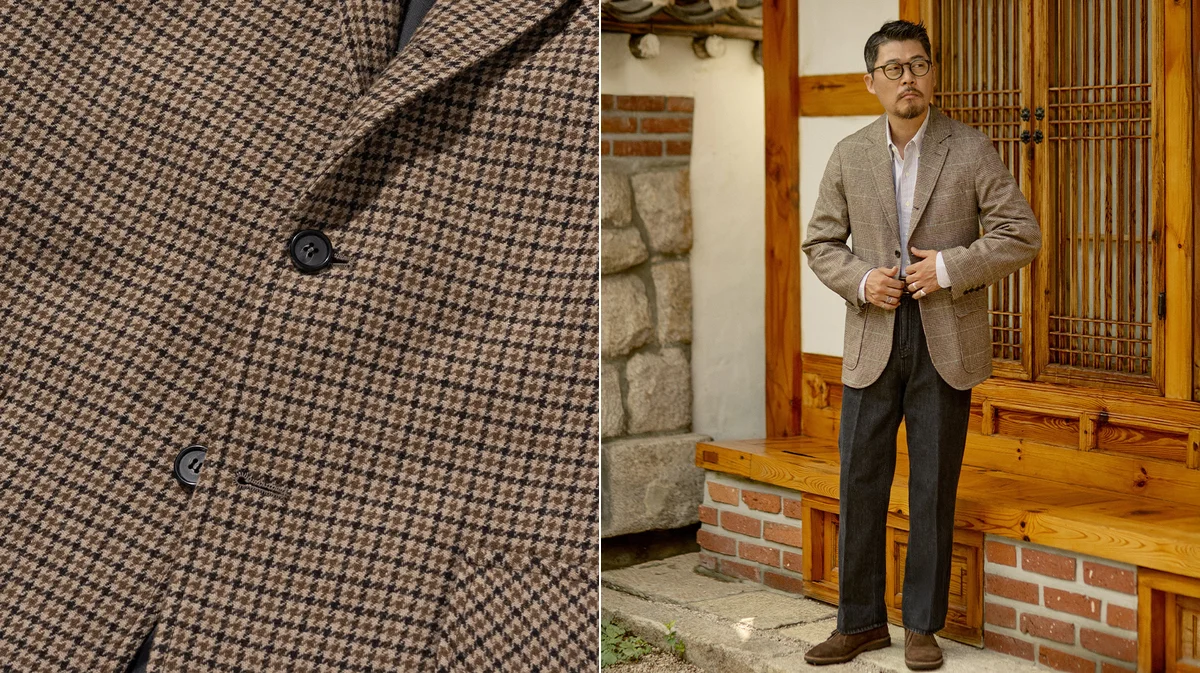
See an X-shaped pull at the button? Too tight. The lapels should lie flat against your chest without pulling apart or buckling. You want enough room to slip a fist between the buttoned jacket and your shirt — not a whole arm, just a fist.
In Seoul, a lot of guys buy blazers too tight because they think slim equals fitted. It doesn’t. Slim is a silhouette choice. Fit is about the jacket working with your body rather than fighting it. A well-fitted blazer moves with you when you raise your arms, sit down, or reach across a table. If you can’t do those things comfortably, it’s too small — regardless of what the tag says.
Blazer Length: The Knuckle RuFor this blazer fit guide men, le and When to Break It
The classic rule: the blazer’s hem should hit at your knuckles when your arms hang naturally at your sides. Decent starting point. Not gospel.
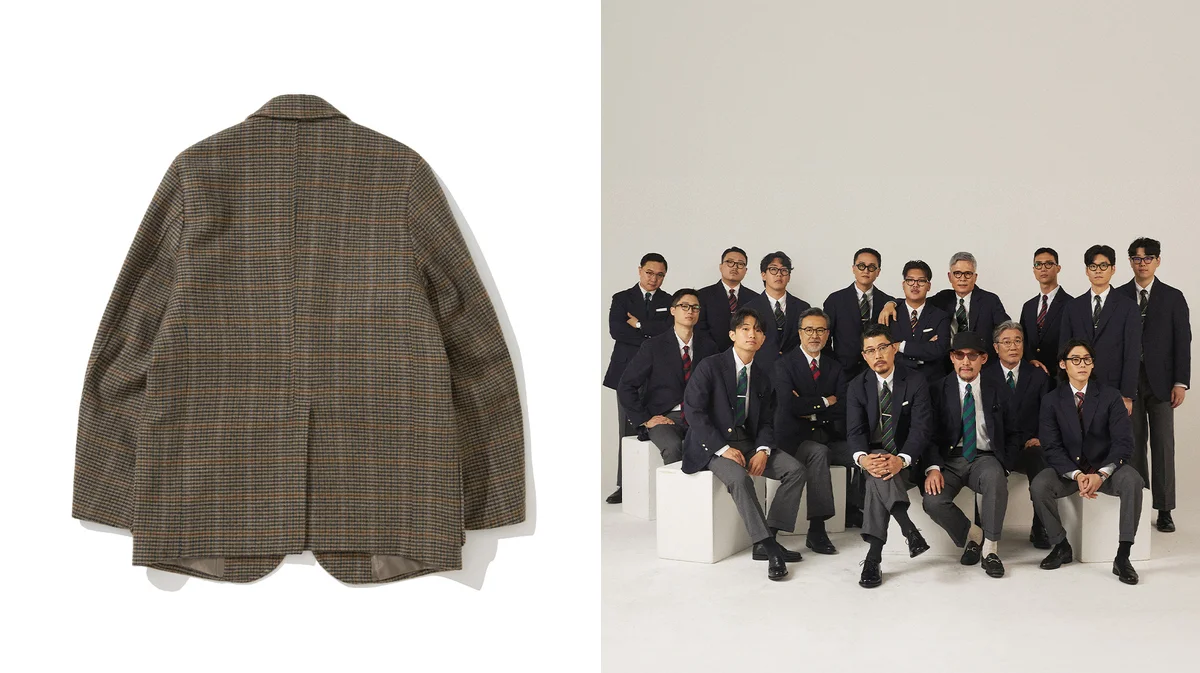
A better way to think about it: the jacket should cover your seat completely. If someone standing behind you can see the curve of your backside below the hem, it’s too short. This is the most common mistake right now — cropped blazers had a moment, and that moment is over.
Too long is equally problematic. A blazer that extends past mid-thigh makes you look shorter and heavier. For most men between 5’7″ and 6’0″, the sweet spot is a hem that falls between 30 and 31.5 inches from the base of the collar.
One thing specific to Seoul: if you regularly throw an anorak or overcoat on top of your blazer — and in Seoul’s winters, you will — a slightly shorter jacket length prevents bulk from stacking at the hip. The original Ivy guys at Princeton didn’t worry about this. They had heated lecture halls. We have 지하철 transfers in January.
Sleeve Length: Show Your Shirt
Your blazer sleeves should end right at the wrist bone — the bump on the outside of your wrist where your hand begins. This lets about half an inch of shirt cuff peek out below the jacket sleeve.
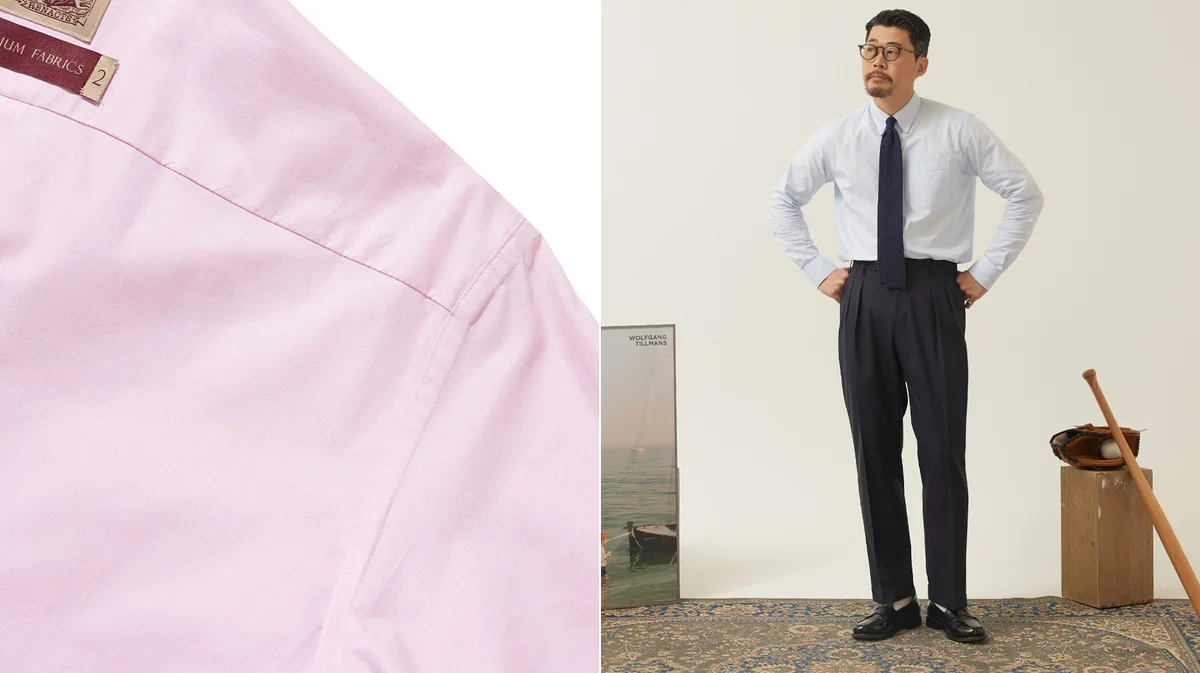
That sliver of white (or blue, or whatever your oxford shirt happens to be) isn’t decorative. It protects your jacket lining from skin oils and sweat, and it looks sharp. A blazer with no shirt cuff showing looks unfinished, like you’re wearing your dad’s jacket.
Here’s a common problem: your left and right arms might not be the same length. Most people have a slight asymmetry. When trying on a blazer, check both sleeves independently. If one is perfect and the other is a quarter inch long, that’s a simple alteration — sleeve shortening is the cheapest and easiest blazer fix, usually under ₩15,000 at anFor this blazer fit guide men, y Seoul tailor.
The Collar: Where Bad Fit Hides
This one gets overlooked. The blazer’s collar should hug the back of your shirt collar with no gap. If you see a space between the jacket collar and your neck — what tailors call “collar gap” — the jacket doesn’t fit your posture correctly.
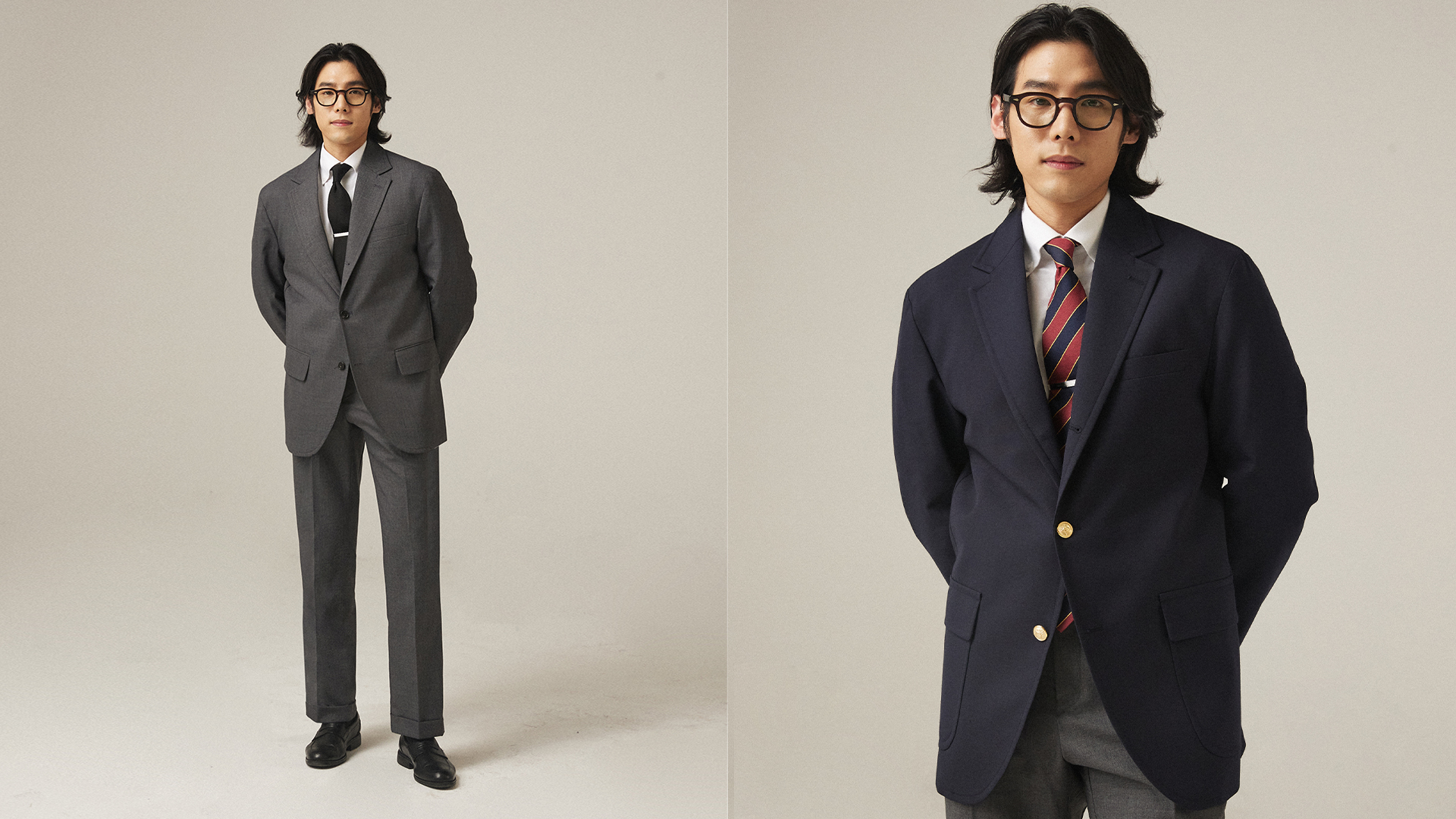
Collar gap usually means the jacket’s back is too long for your stance, or the shoulder pitch doesn’t match your body. A tailor can sometimes fix this, but it’s a more advanced alteration. If you see significant collar gap on a new blazer, try a different size or brand before committing to alterations.
Quick check: have someone look at you from the side. The collar should sit smoothly against your neck from every angle, not just straight-on in the mirror.
How Seoul Changes the Blazer Fit Equation
Everything above applies universally. But living in Seoul adds practical considerations that a fit guide written in New York wouldn’t mention.
First, layering. Seoul’s temperature swings are dramatic — you might leave home in a crewneck sweater under your blazer and strip down to just a shirt by lunch. Your blazer needs enough room in the chest and arms to accommodate a layer underneath without looking stuffed. That’s another argument for natural shoulder construction and a slightly roomier chest, rather than a skin-tight Italian fit.
Second, transit. If you’re commuting on the 2호선 during rush hour, you’re raising your arms to grab handles, squeezing through doors, sitting in tight seats. A blazer that looks perfect standing still but restricts movement is useless in Seoul’s daily reality. When you try one on, sit down in it. Reach overhead. Twist at the waist. If anything pulls or bunches, move on.
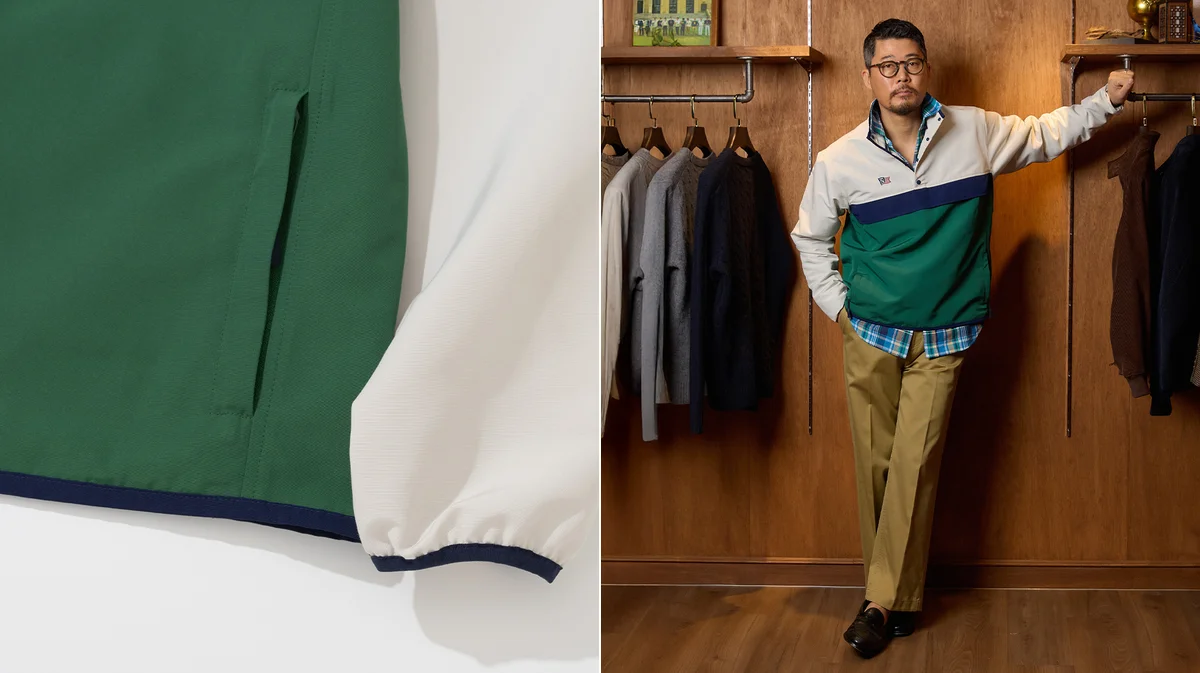
Third, the anorak factor. Heavy Ivy — the way Seoul Traditional interprets trad style — often means an anorak over a blazer instead of a topcoat. That combination works best when the blazer’s shoulders are soft and natural, not padded and structured. A padded shoulder creates an awkward bump under an anorak’s nylon shell. A natural shoulder disappears under it.
A Quick Checklist for Your Next Shopping Trip
Save this:
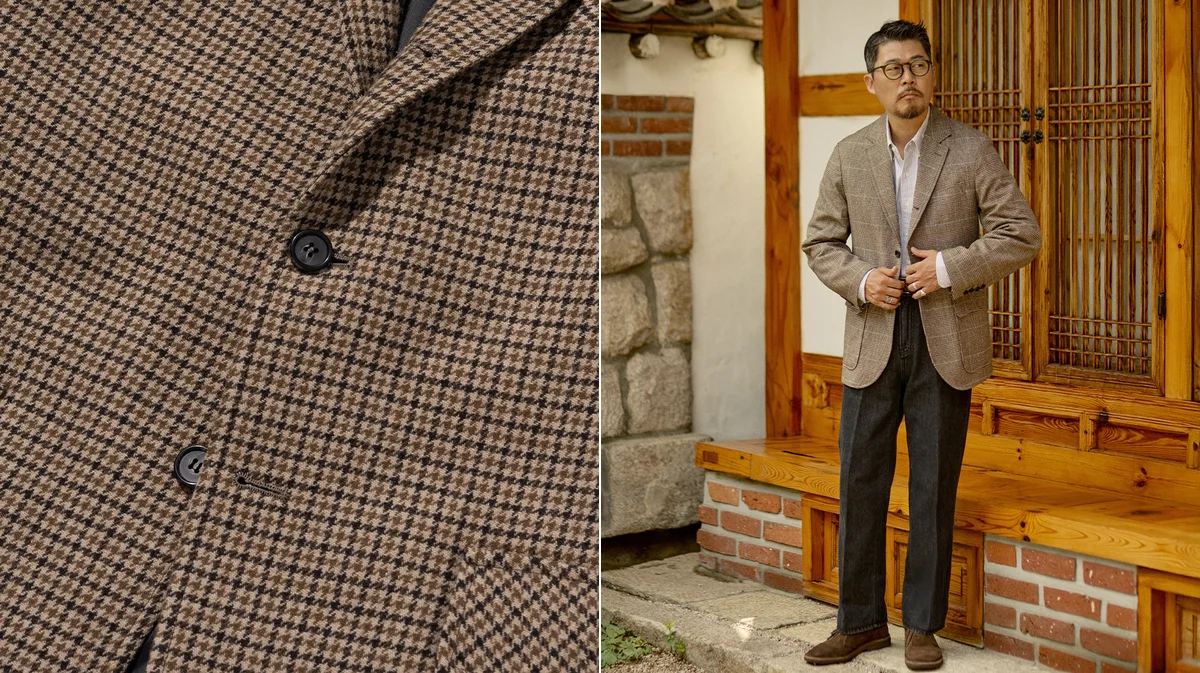
Shoulders: Seam sits on the shoulder bone. No overhang, no restriction.
Chest: Fist fits between buttoned jacket and shirt. No X-shaped pulling.
Length: Covers your seat. Hem hits at or near your knuckles.
Sleeves: End at the wrist bone. Half-inch of shirt cuff visible.
Collar: No gap between jacket collar and shirt collar at the back of the neck.
If four out of five are right, you’re in good shape — most single-point issues can be fixed by a tailor for under ₩30,000. If two or more are off, it’s the wrong jacket. No amount of tailoring will save a fundamentally wrong size.
Fit Is a Skill, Not a Gift
Nobody is born knowing how a blazer should fit. It’s learned through trying things on, making mistakes, and gradually developing an eye for what looks right versus what looks almost right. The gap between those two is everything.
Use this as a starting point. After you’ve evaluated a dozen blazers using these checkpoints, you won’t need the checklist anymore. Your eye will know. That’s when shopping actually becomes fun — when you can spot the right jacket in ten seconds instead of agonizing for an hour.
For blazer fit guide men, The best-dressed guys in Seoul don’t have bigger budgets. They have better eyes. Train yours.