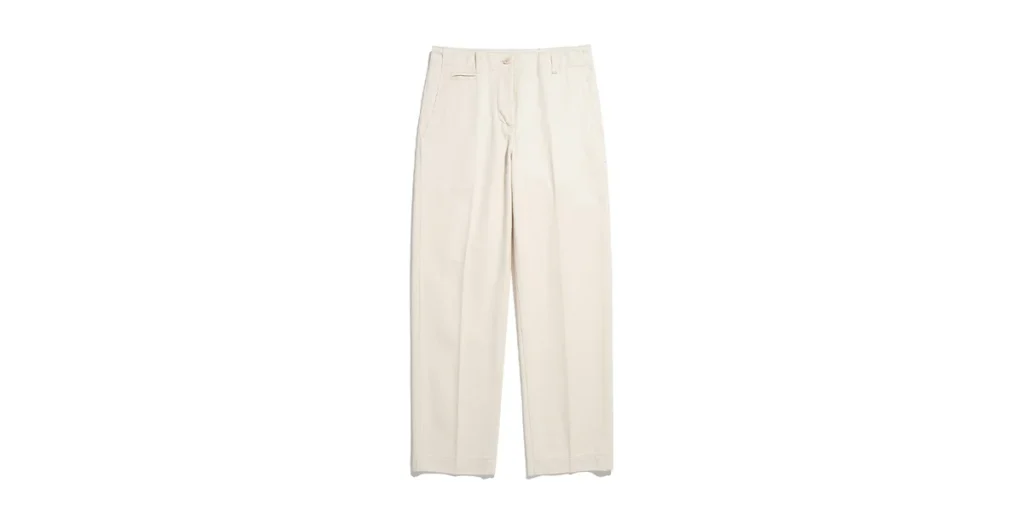
Chino Pants History: Military Origin to Modern Staple
Chino Pants History Starts With a War, Not a Wardrobe
Every pair of chinos you own traces back to a battlefield. The full chino pants history begins in the 1840s, when British soldiers stationed in India needed trousers that wouldn’t show dust and dirt the way white cotton did. Their solution was practical and a little crude — they dyed their pants with tea, curry powder, and mulberry juice. The result was a dusty tan color the Hindi word “khaki” described perfectly: earth-colored.
That improvised dye job launched one of menswear’s longest-running success stories. Nearly two centuries later, the same basic garment sits in closets from New Haven to Gangnam.
But the path from colonial India to your weekend rotation wasn’t a straight line. This piece covers the full arc — the military origins, the fabric itself, how Ivy League students turned army surplus into campus style, and why chinos remain the most versatile trouser a man can own in Seoul or anywhere else.
The Name “Chino” — It’s Not What You Think
Here’s where it gets interesting. The word “chino” is Spanish for “Chinese.” But chinos aren’t Chinese.
During the Spanish-American War of 1898, American soldiers were stationed in the Philippines. Their cotton twill trousers were manufactured in China and shipped through Manila. The soldiers started calling them “chinos” — pants from China. The name stuck, even though the design was British and the fabric concept was Indian.
So when someone asks you about chino pants history, you’re really talking about a garment that crossed four countries before it even got its name. British military necessity, Indian dyeing techniques, Chinese manufacturing, Spanish slang. That’s a lot of history for a pair of tan trousers.
The Fabric: What Makes a Chino a Chino
Strip away the history and a chino is defined by its cloth. Chino fabric is a cotton twill weave — meaning the threads cross in a diagonal pattern rather than a simple over-under grid. This gives the fabric its signature smooth face and subtle sheen.
The weave matters more than most people realize. A plain weave cotton trouser wrinkles easily, doesn’t drape well, and wears out fast. Twill weave is tighter, more durable, and holds a crease better. Military quartermasters figured this out in the 19th century. The fashion world caught up about a hundred years later.
Traditional chino cloth weighs between 6 and 9 ounces per square yard. Lighter weights around 6oz work for summer — anything under that and you’re basically wearing pajamas. For year-round wear, 7–8oz hits the sweet spot. Heavy enough to hold structure, light enough for Seoul’s humid summers if the cut is right.
Chino vs. Khaki: The Difference Nobody Gets Right
People use “chinos” and “khakis” interchangeably. They’re wrong — but only slightly.
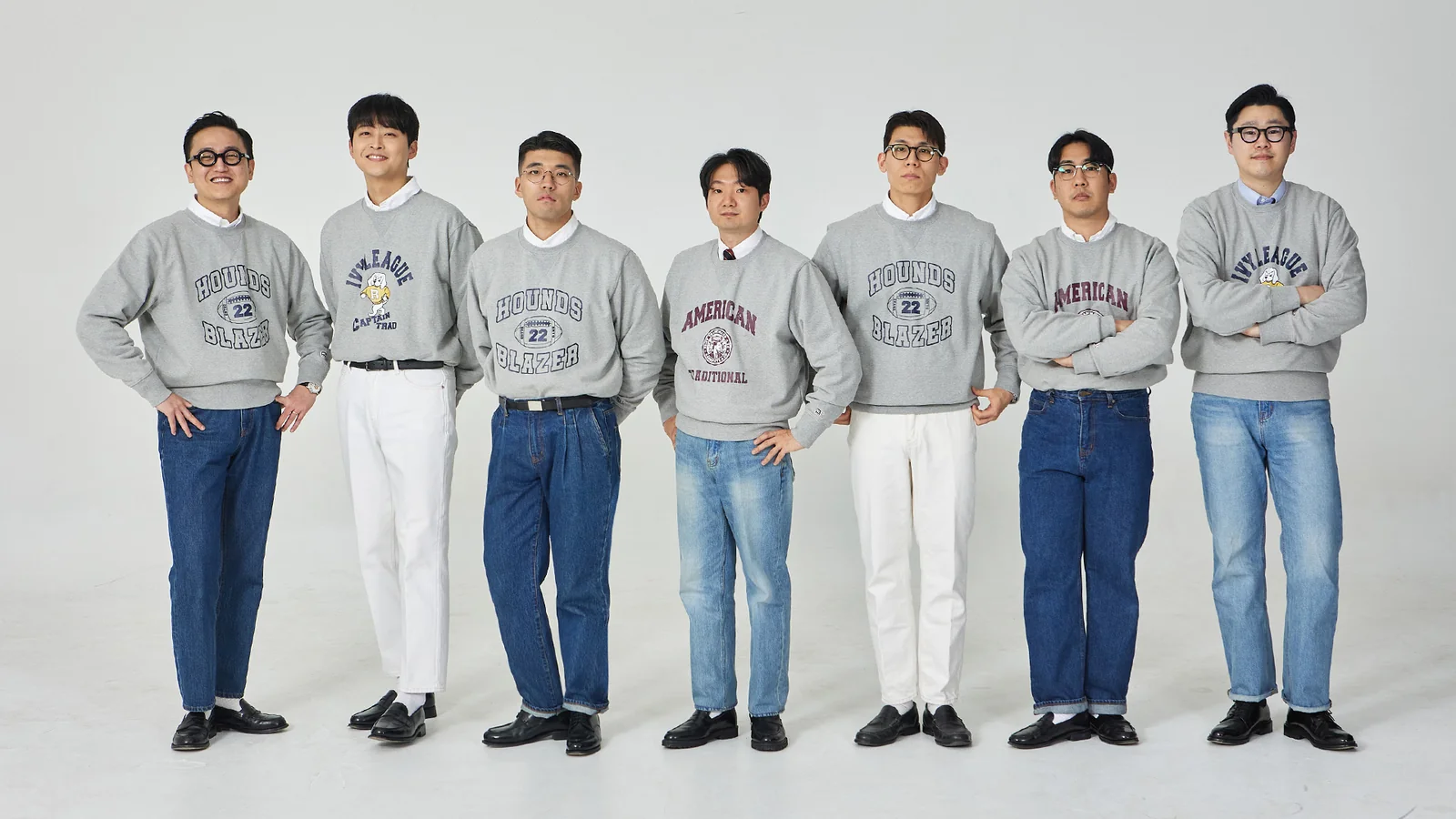
“Khaki” refers to the color. It’s that dusty tan shade the British soldiers created. “Chino” refers to the fabric and the garment construction. You can have navy chinos, olive chinos, even burgundy chinos. But “navy khakis” is a contradiction in terms.
In practice, when someone says “khakis,” they usually mean relaxed-fit tan cotton trousers — think Dockers, pleated, a little baggy. “Chinos” tend to mean a slimmer, more refined version of the same basic garment. The distinction is more about connotation than construction. But if you want to sound like you know your chino pants history, use the right word for the right thing.
From the Barracks to the Quad: Chinos Go Ivy
The real transformation happened after World War II. Millions of American GIs came home with two things: government-issue chinos and GI Bill tuition money. They flooded onto college campuses — Harvard, Yale, Princeton — wearing the only pants they owned.
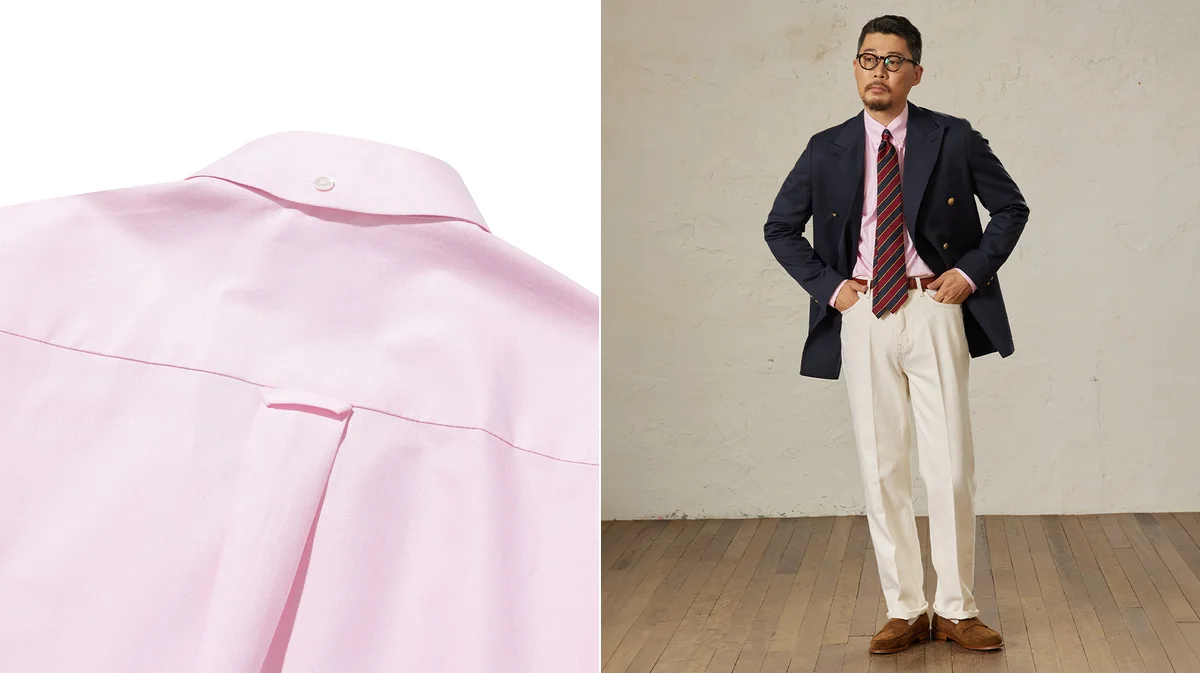
This is the pivot point in chino pants history. Before WWII, chinos were strictly utilitarian. After it, they became the unofficial uniform of the American university. Students wore them to class, to football games, to mixers — cheap, durable, and sharp with a button-down oxford and a pair of penny loafers.
The Ivy League adoption gave chinos something no military quartermaster could: cultural cachet. These weren’t just practical trousers anymore. They were a statement — understated, democratic, effortlessly smart. A senator’s son and a factory worker’s son could wear the same pants and look equally at home.
How Chinos Fit Into Seoul Traditional
The original Ivy ethos wasn’t about copying a specific outfit. It was about a set of values — practicality, quality, understated confidence — expressed through clothing.
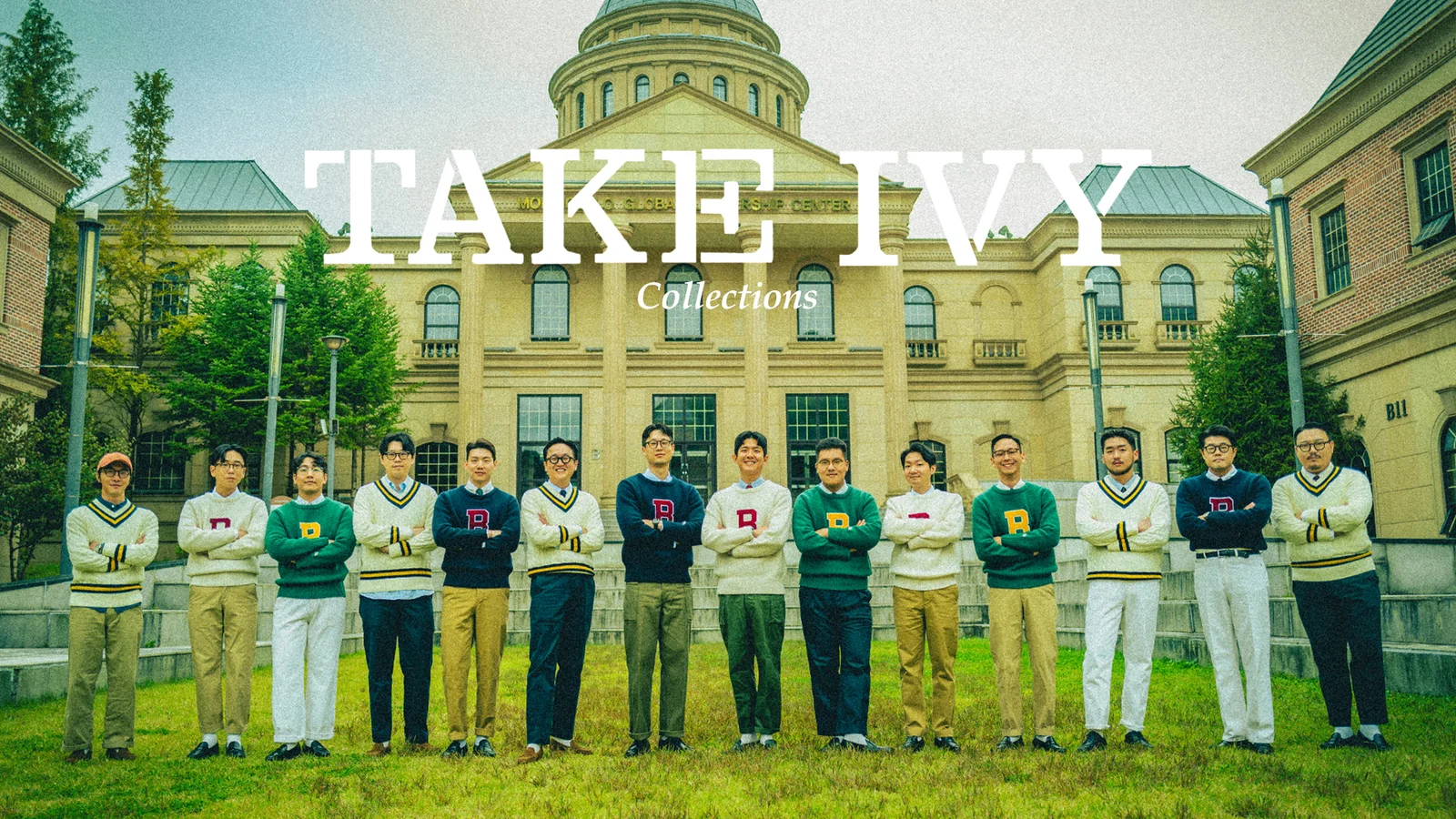
In Seoul, that same ethos adapts to the city. You’re not walking across a leafy New England quad. You’re navigating Gangnam station at rush hour, grabbing coffee in Yeonnam-dong, maybe heading to a weekend football match with the Gentlemen’s Club. The chino works in all of these contexts because its DNA is versatile — it was literally designed to go from a battlefield to a boardroom.
Seoul’s climate demands consideration, though. The summers are brutal — 35°C with 80% humidity. A lightweight chino in a breathable weave becomes essential from June through September. Come winter, a heavier cotton twill or a brushed chino handles the cold without looking bulky. The 7–8oz range splits the difference nicely across Seoul’s four distinct seasons.
The Right Chino Details: What to Look For
Not all chinos are created equal. Here’s what separates a good pair from a forgettable one.
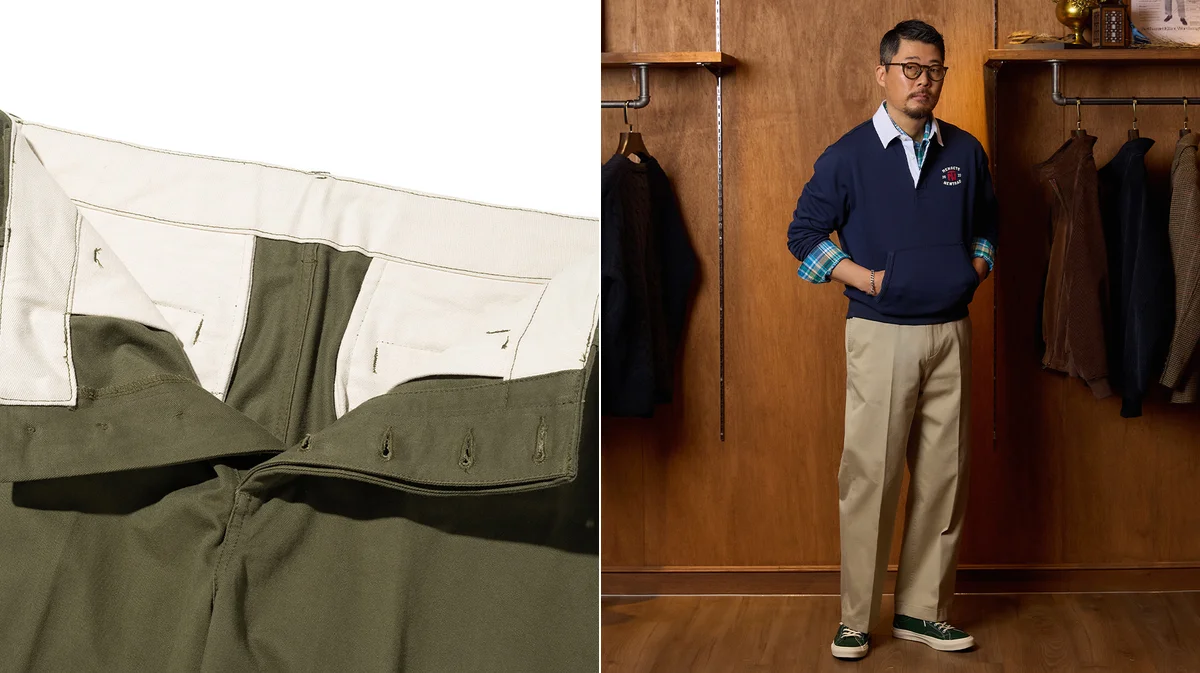
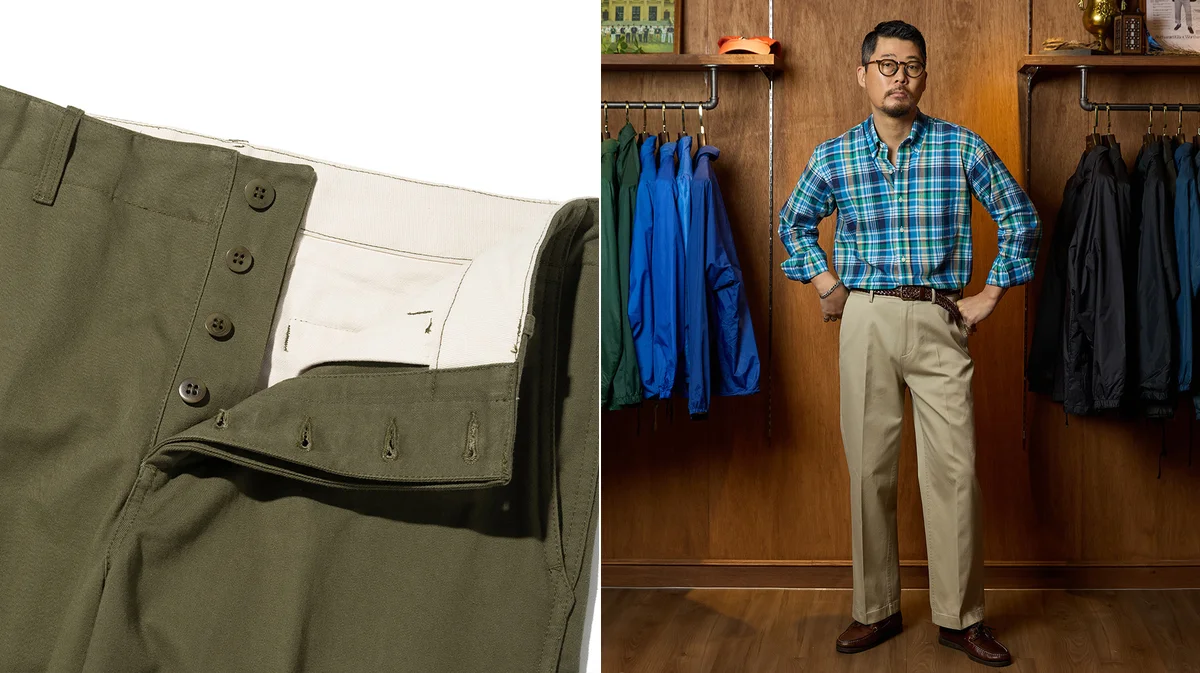
Waistband: A proper chino has a curtain waistband — that strip of fabric on the inside that sits against your shirt. It keeps the waistband structured and prevents your shirt from bunching. No curtain waistband means it was made cheaply.
Pocket style: Slash pockets are dressier. On-seam pockets are more casual. For versatility, on-seam pockets with a clean finish work best — you want the pocket to lie flat, not gape open when you stand.
Rise: This is where most modern chinos fail. Ultra-low-rise chinos look terrible when you sit down and your belt disappears. A medium rise — roughly 10–11 inches — is the most flattering for most body types. It sits at your natural waist, which is where trousers were designed to sit.
Hem: A slight break or no break at all. Chinos that pool at the ankle look sloppy. If you’re getting them hemmed, ask for a clean finish with no cuff for casual wear, or a 1.5-inch cuff for a more traditional Ivy look.
Colors That Actually Matter
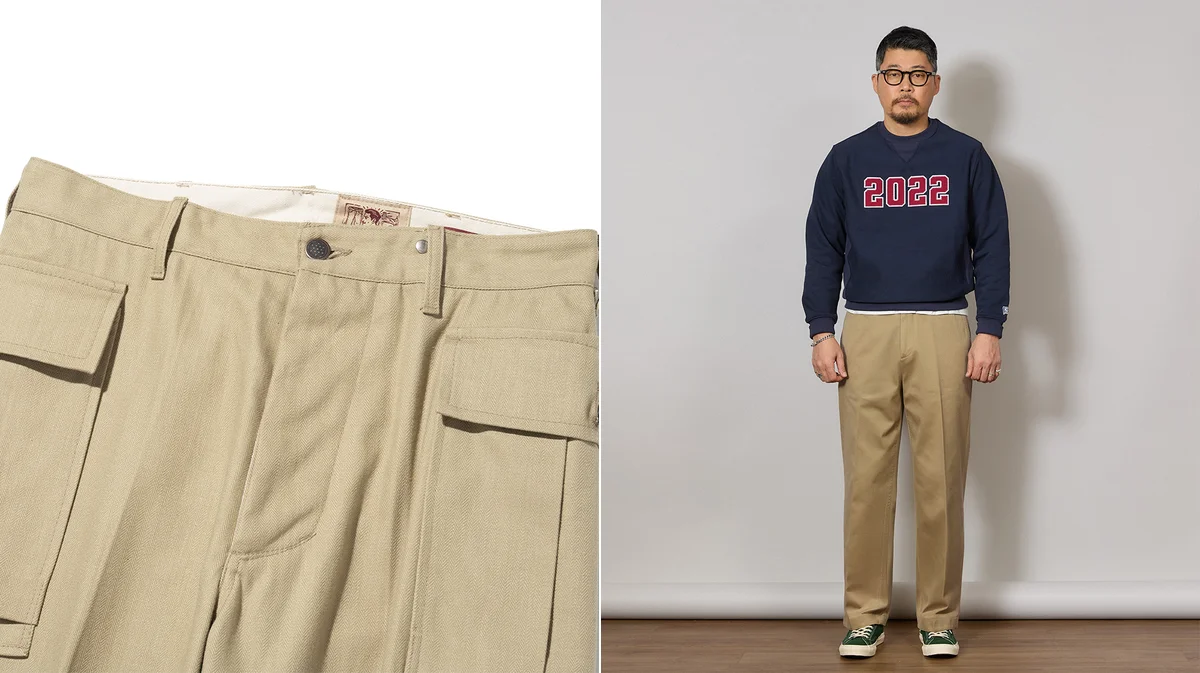
Tan/khaki is the classic. You need a pair. It goes with navy blazers, white OCBDs, burgundy loafers — the entire Ivy palette.
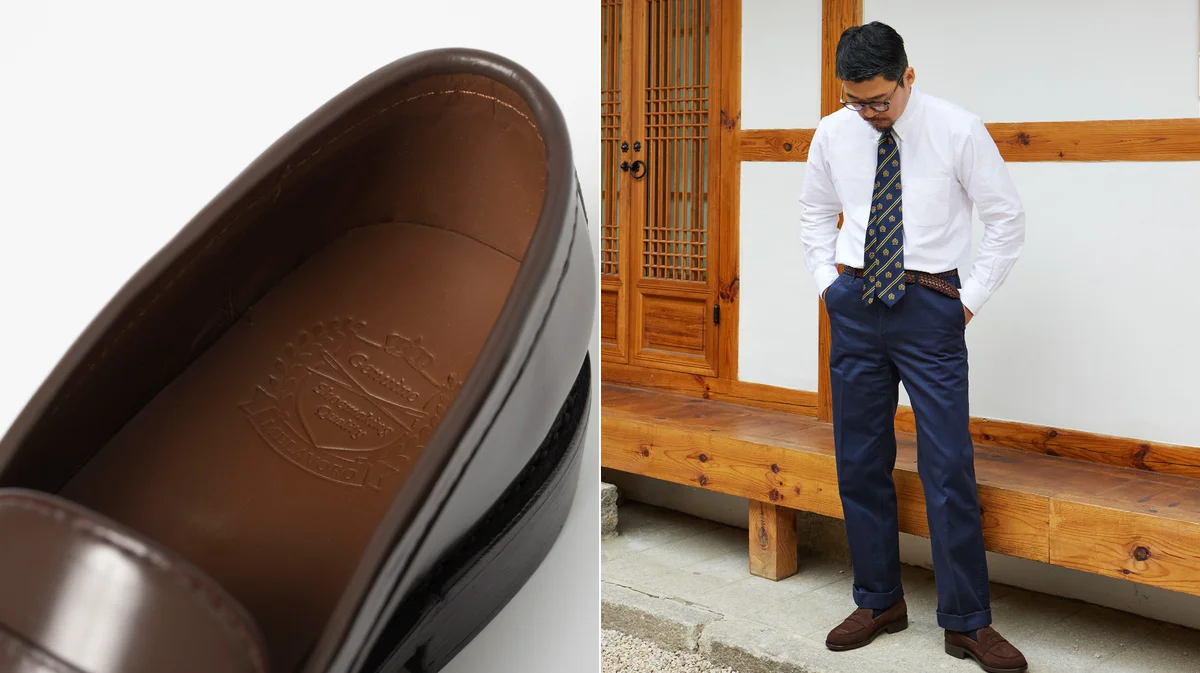
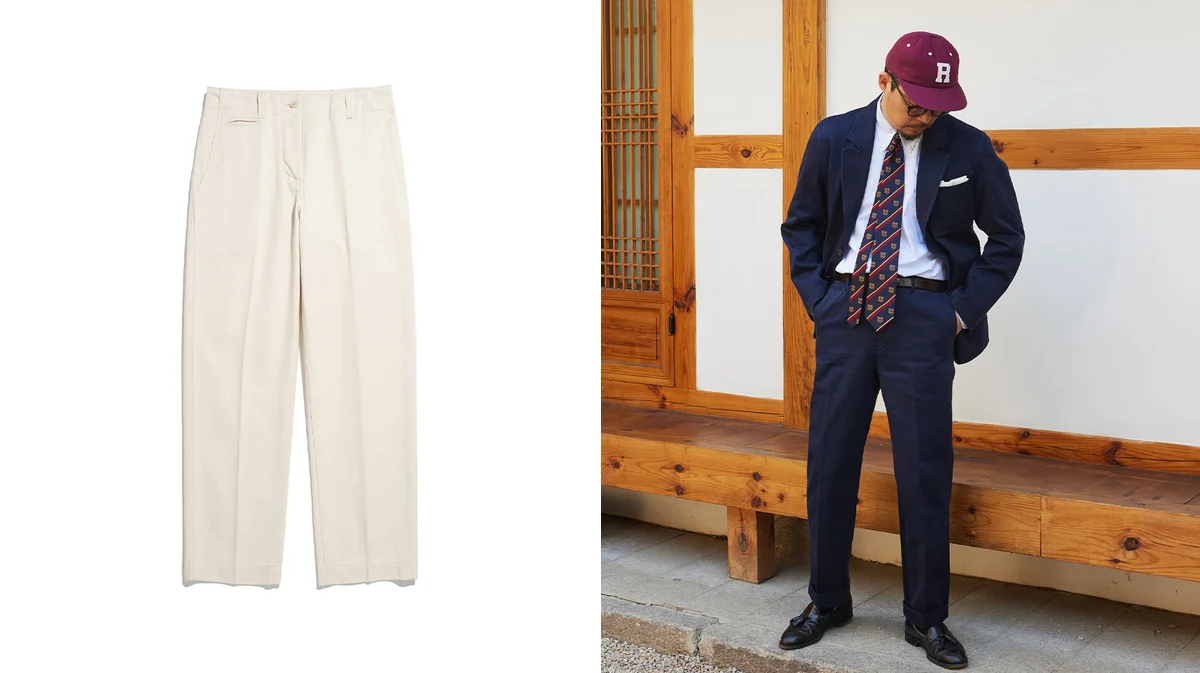
Navy chinos might actually be more useful day-to-day. They read slightly dressier than khaki, work with brown and burgundy shoes, and don’t show stains as easily. In Seoul, where you might go from a meeting to dinner without changing, navy gives you that extra half-step of formality.
Olive is the dark horse. It’s the most “military” of the chino colors, which makes sense given the history we’ve covered. Olive pairs beautifully with cream and white tops, and it looks outstanding under an anorak — very Heavy Ivy.
Skip anything too trendy. Bright red, mustard yellow, sky blue — these cycle in and out every few years. The three colors above have been relevant since the 1950s and will still be relevant in 2050.
Caring for Your Chinos
Cotton twill is forgiving, but it’s not invincible.
Wash cold, inside out. Hot water shrinks cotton and fades color faster. Use a gentle detergent — nothing with bleach or optical brighteners. Hang dry if you can. Machine drying is fine occasionally, but consistent tumble drying breaks down the twill weave over time.
Iron them while slightly damp. Cotton presses beautifully with a little moisture — a medium-hot iron and a quick pass down each leg gives you a crease that lasts all day. Or don’t iron them at all. A slightly rumpled chino is perfectly acceptable for weekend wear. That’s part of the charm.
One strict rule: never dry clean chinos. It’s unnecessary, expensive, and the chemicals strip the natural softness from the cotton. These are wash-and-wear garments. Treat them that way.
Why Chinos Endure
The history explains the longevity. Chinos weren’t designed by a fashion house with a seasonal collection to push — they were designed by soldiers who needed pants that worked.
That utilitarian DNA is exactly what makes chinos fit the Seoul Traditional approach. We’re not interested in clothes that exist to be noticed. We’re interested in clothes that let you live your life — play football on Saturday, volunteer on Sunday, show up to a seminar on Monday — without thinking too hard about what you’re wearing.
A good pair of chinos does that. It did it in 1848 India, in 1955 Princeton, and it does it in 2025 Seoul. The context changes. The garment doesn’t need to.