미국의 원형, 서울의 해석
American Archetype,
Seoul’s Interpretation
If you care about clothes, sooner or later you end up at American vintage. Workwear, outdoor, denim, sweats — the original of almost every category is American. We collect those originals. Then we read them through Seoul’s eyes.
01 — How it works
Four parts, one loop
Most brands tell you what they sell. This is the order things actually happen in.
And running across all four — Seoul Trad, the journal.
02 — The journal
Seoul Trad
The archive collects, the brand interprets, the house holds it, the club gathers. Seoul Trad is where all of it gets written down — and argued for.
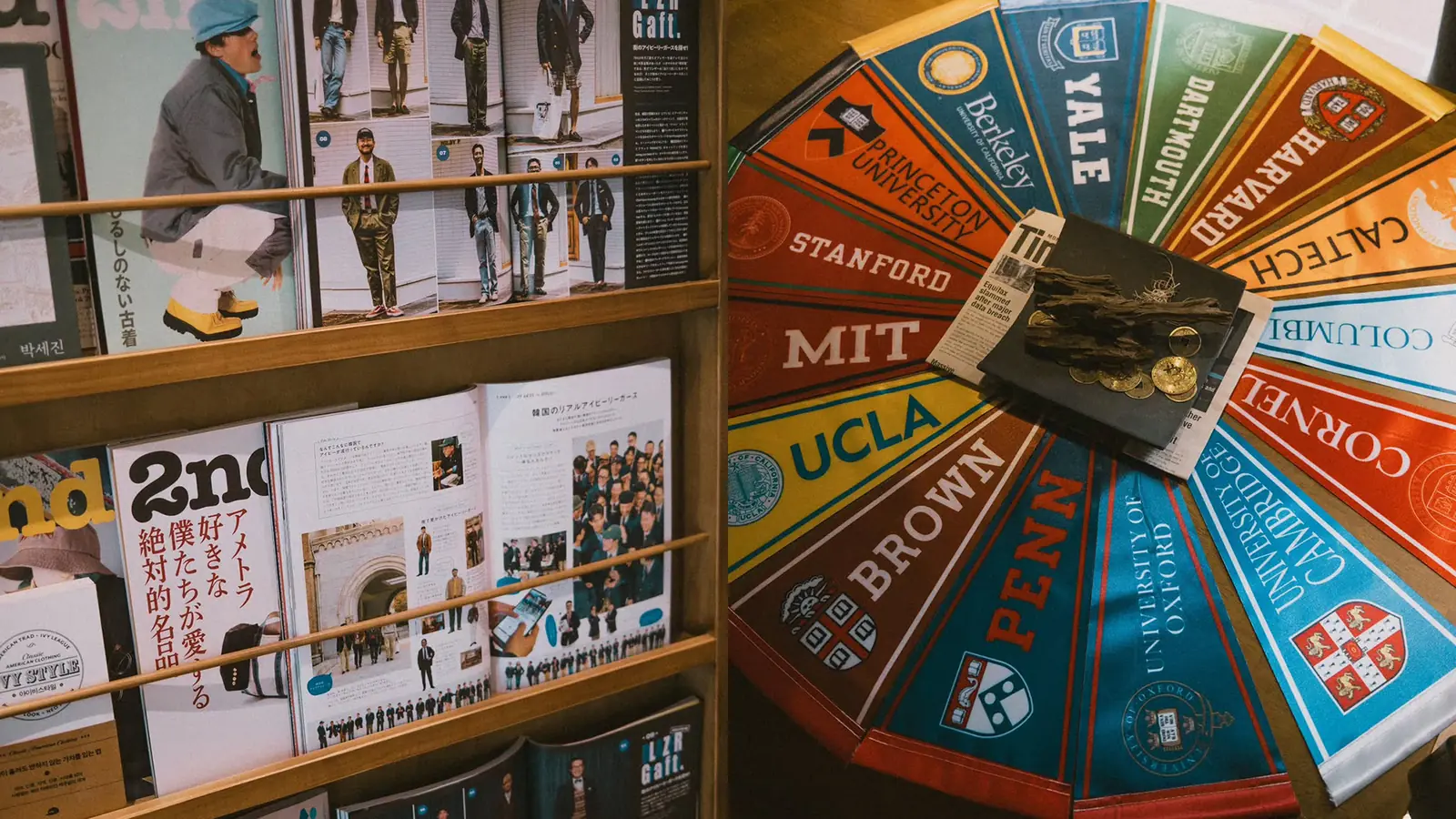
We started with a question that kept bothering us: why is the style we love so often filed under Japanese Ivy? We hold deep respect for the Ivy and trad traditions of America, Japan and Britain, and we take their heritage seriously. But Korea has arrived at its own reading of them — one that is still growing — and almost nobody was putting that into English.
So this is a journal for Seoul traditional: the history behind the garments, how they are actually worn here, and what happens in this city when trad shows up in it. Not a catalogue. A record, published in the open, for anyone anywhere who dresses this way.
03 — The place
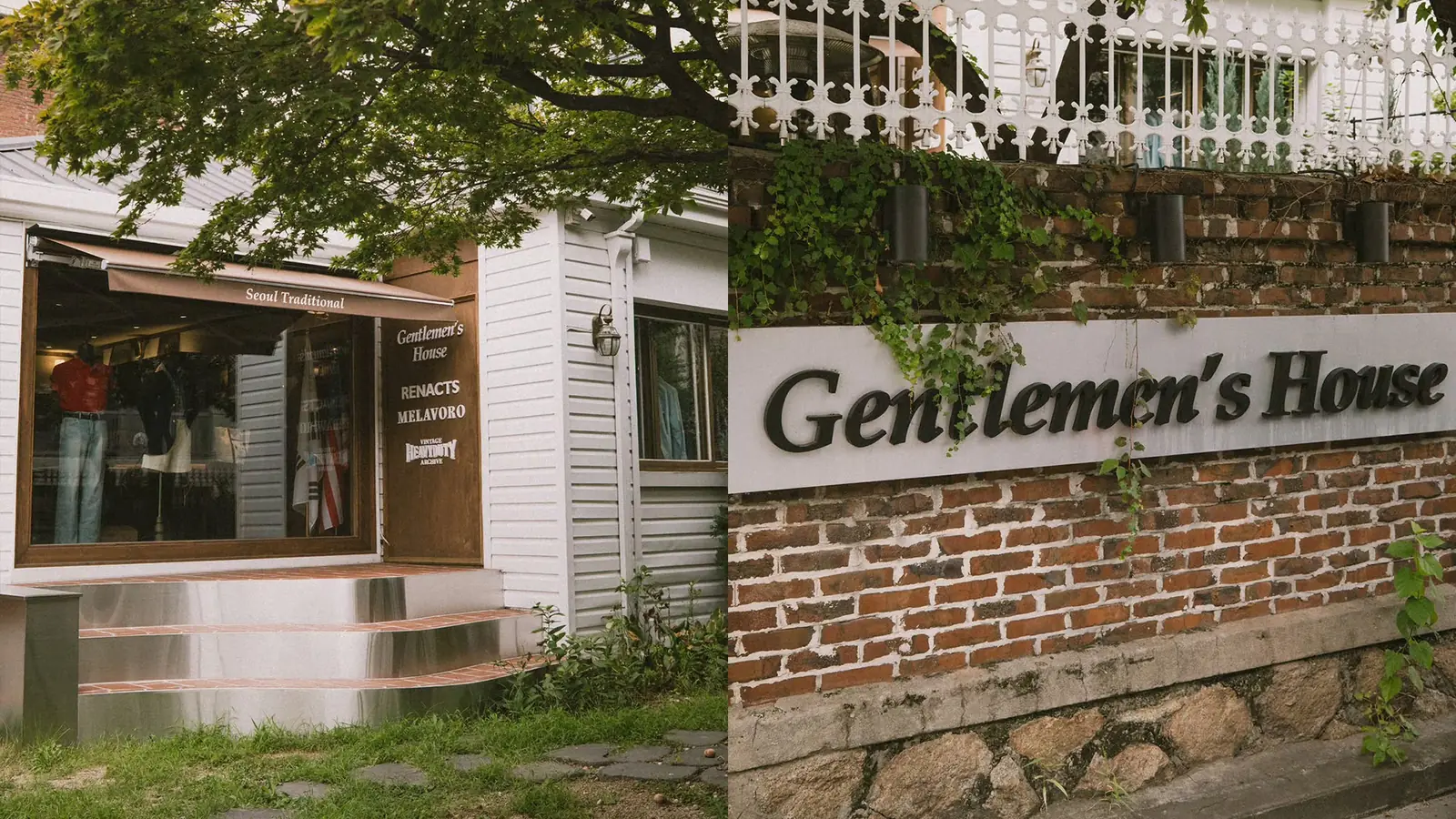
Gentlemen’s House
Renacts’ flagship showroom. It opened on 10 November 2025 in Yeonhui-dong, Seodaemun-gu, Seoul.
The building is a Korean house from the 1980s — repaired and reused rather than torn down. Timber counters, wardrobes built into the walls, the lighting kept deliberately low. Interior by Studio Guhyeondonghwa.
Under one roof: Renacts, and the Heavyduty Archive vintage room.
It isn’t only a shop. Twice this year, in March and again in June, we cleared the courtyard and ran a flea market — Yeonhui Amusement Park.
04 — The source
Heavyduty Archive
It began as reference material. While designing Renacts we kept buying the originals to study them, and the pile became an archive of its own — seventy through ninety, American heavy duty, curated rather than hoarded.
What we look for is the point where a category was invented:
- Champion · RussellThe origin of the American sweatshirt. Reverse weave.
- PatagoniaThe origin of modern outdoor. Snap-T, Synchilla.
- Levi’sThe origin of the jean — a century of fit lineage. Orange tab, USA-made.
- L.L.BeanThe origin of outdoor pragmatism. Maine, 1912. Bean Boot, Boat and Tote.
- And beyondRalph Lauren, Eddie Bauer, The North Face.
05 — The brand
Renacts
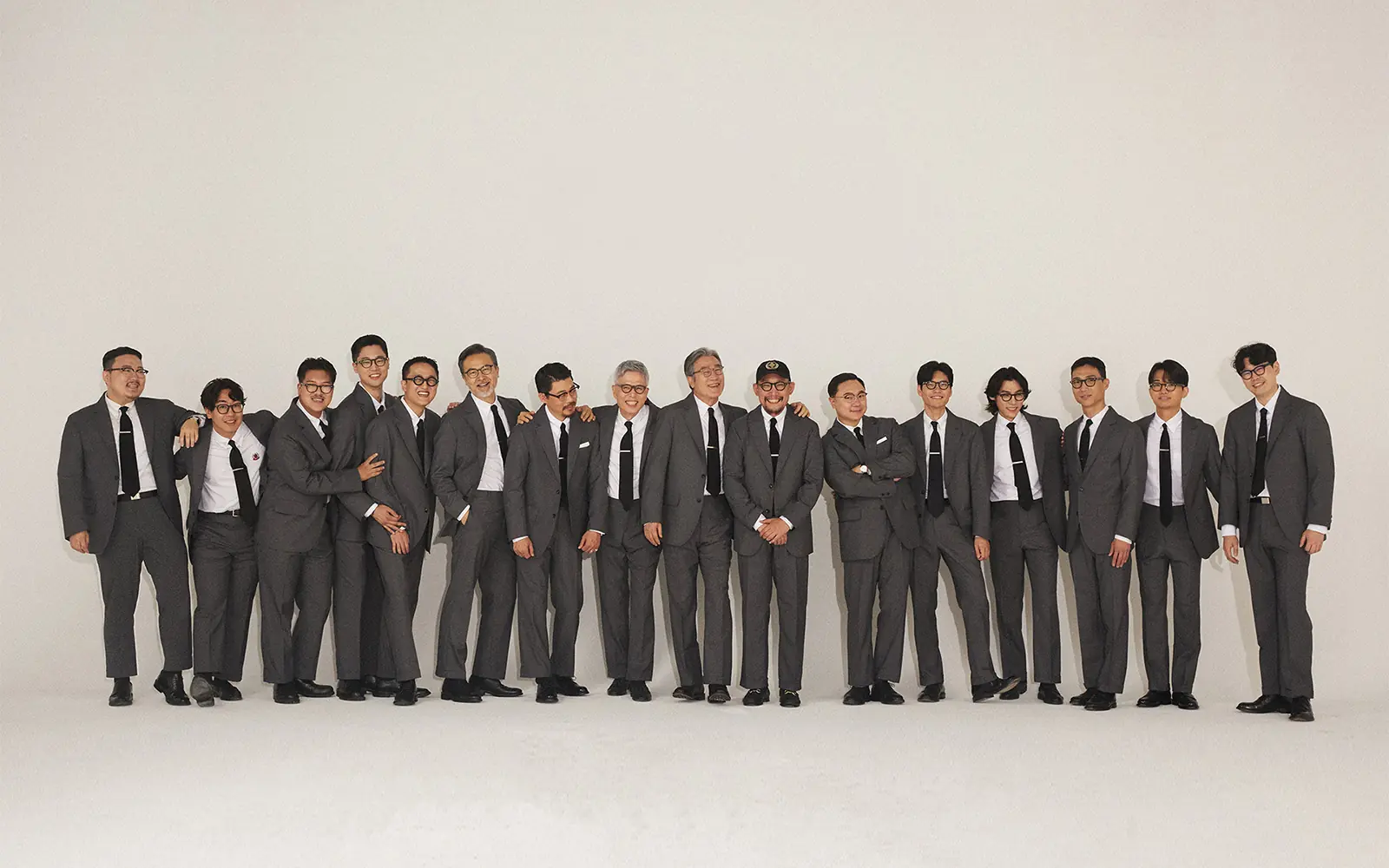
A trad brand founded in Seoul. We take the originals the Archive collects — Ivy, preppy, American classic — and rebuild them for how people actually dress here, now.
Not reproduction. Interpretation. The durability of the vintage piece is the standard; what we do with it is define a Seoul classic.
- Sack suitWhere Ivy tailoring starts. Undarted, soft shoulder, three-roll-two.
- OCBDThe oxford button-down. The foundation every classic is built on.
- ChinosThe most American trouser there is.
06 — The people
Gentlemen’s Club
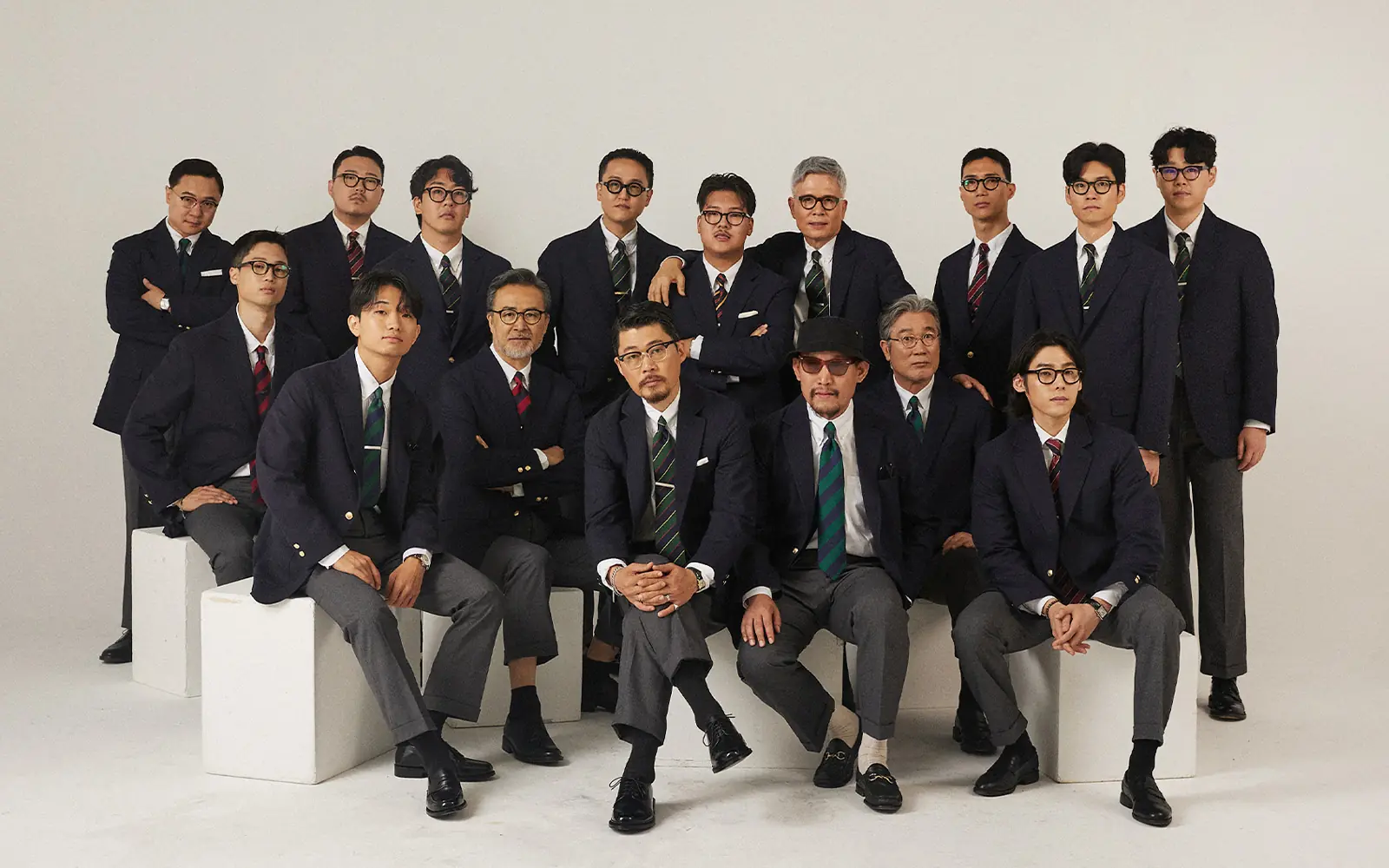
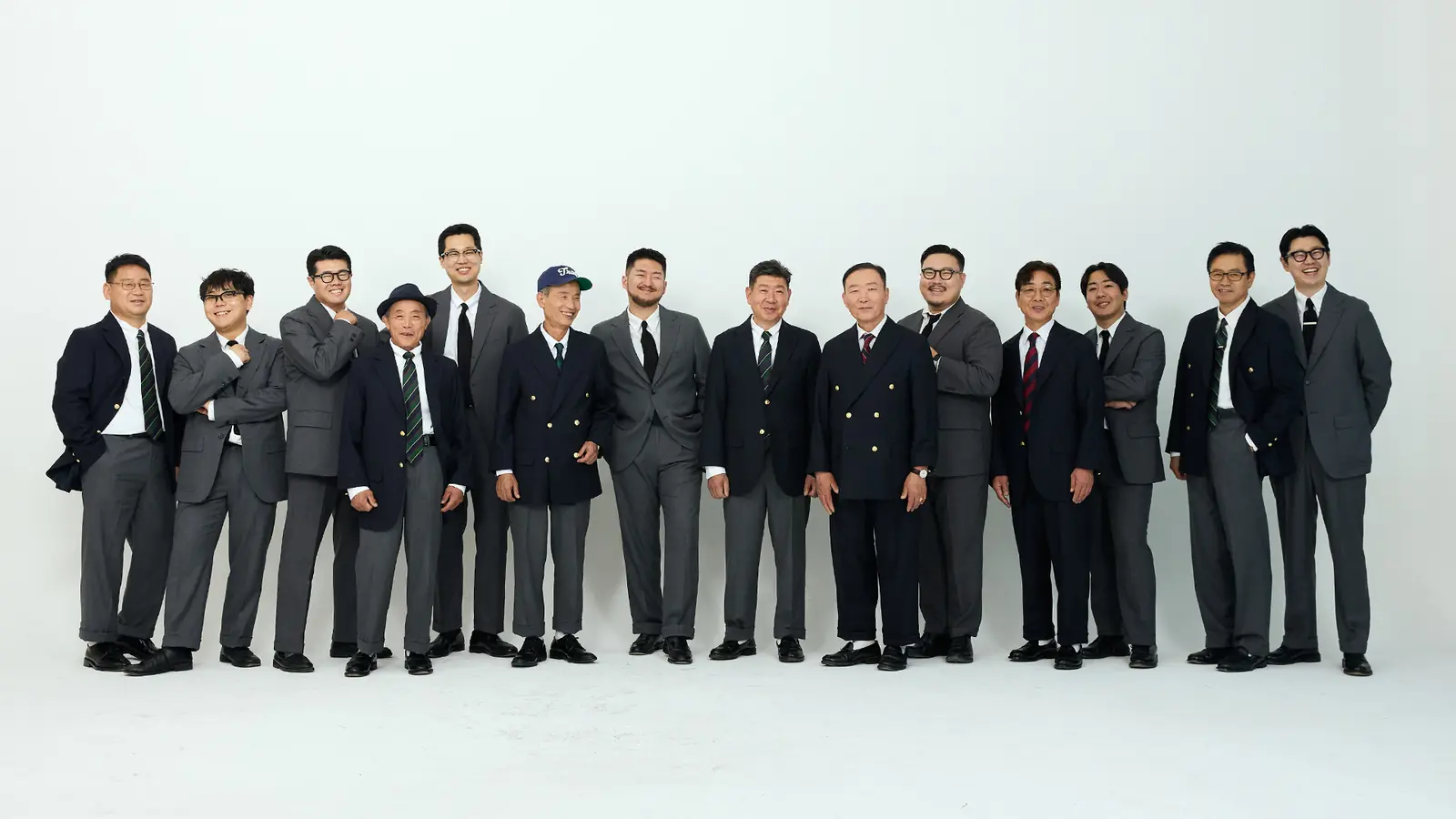
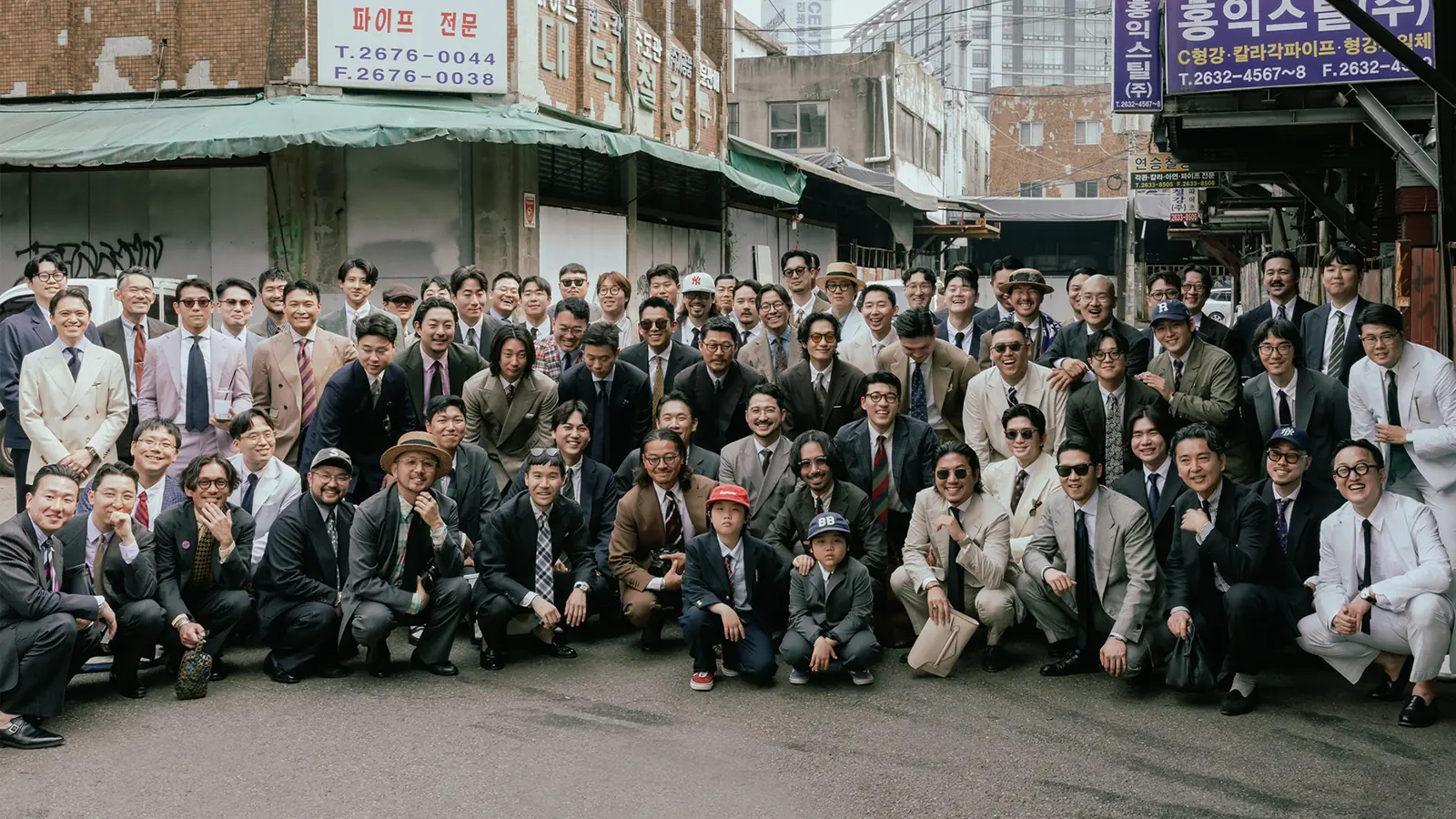
Korea’s only trad community, bridging online and off. Rather than broadcasting at an audience, it is built for conversation between members — and for pulling more people toward this way of dressing.
We share one idea: that one day the style we enjoy will simply be part of the culture, not a subculture inside it.
07 — Come by
Yeonhui-dong, Seoul
- Address서울 서대문구 연희로11가길 28
28 Yeonhui-ro 11ga-gil, Seodaemun-gu, Seoul - Weekdays13:00 – 20:00
- Weekends12:00 – 20:00
- Holidays12:00 – 20:00
Follow
Four accounts, four different things. The House posts the space, Renacts posts the clothes, the Archive posts what came in, Seoul Trad posts the writing.