
How to Wear a Knit Tie: Casual & Smart Pairings
The Knit Tie Advantage: Why It Works Where Others Don’t
Figuring out how to wear a knit tie is easier than most guys think — because the knit tie basically does the hard work for you. Its flat, square-cut tip and textured weave read more relaxed than any pointed silk tie, which means it slots into outfits that would look overdressed with standard neckwear.
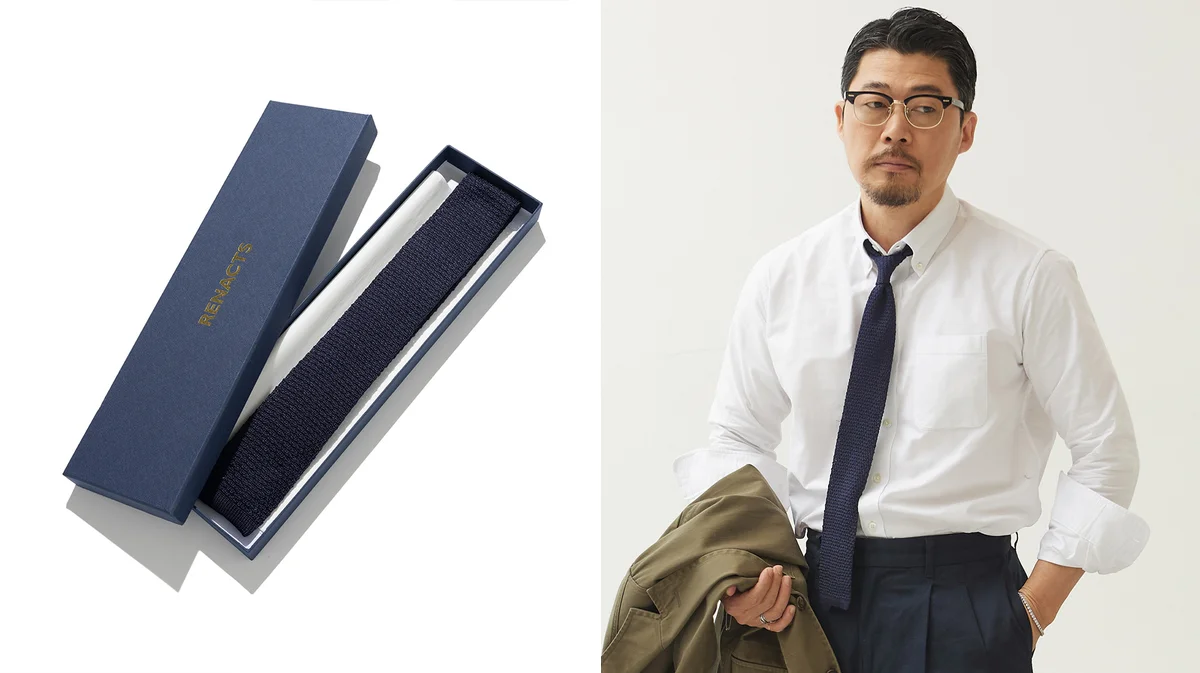
That’s the whole appeal. A knit tie gives you the structure of wearing a tie without the boardroom energy. It says “I thought about this” rather than “I have a meeting at 2.”
In Seoul, where the line between dressed-up and try-hard is razor thin, this matters. The knit tie is probably the single most useful accessory for anyone exploring Ivy or trad style in a city that rewards subtlety over spectacle.
How to Wear a Knit Tie with an OCBD: The Foundation Pairing
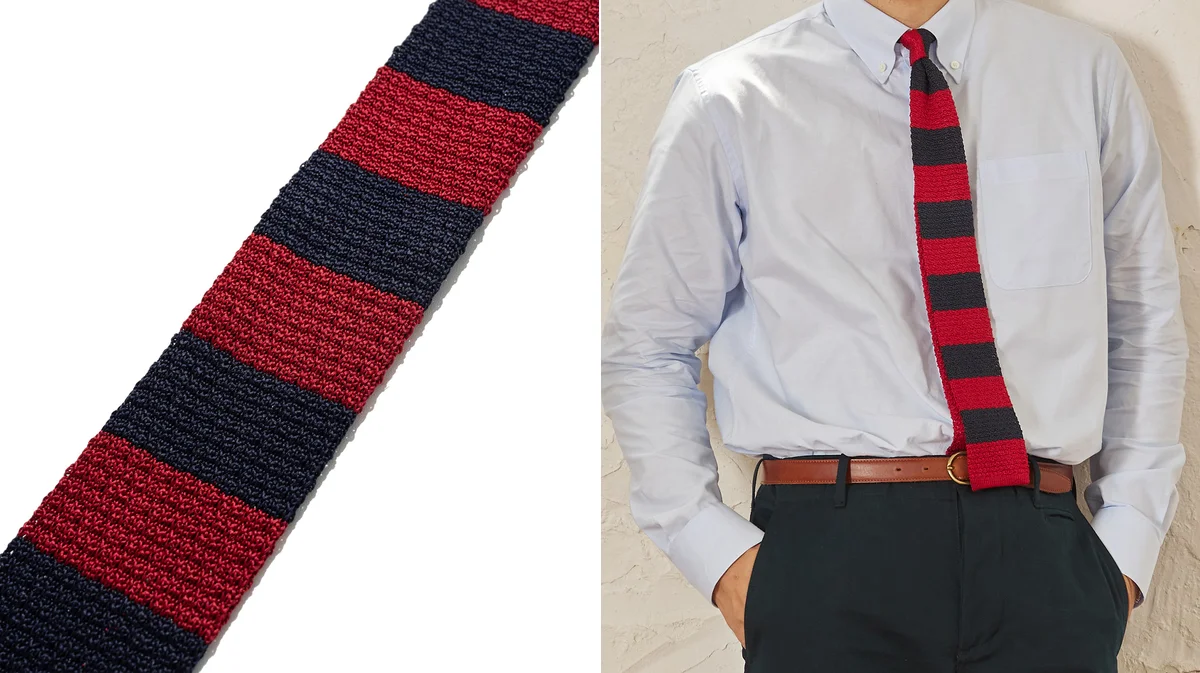
Start here. An oxford cloth button-down shirt and a knit tie is the most natural combination in menswear. The soft roll of the button-down collar and the matte texture of the knit tie share the same DNA — both are dressy items that refuse to take themselves too seriously.
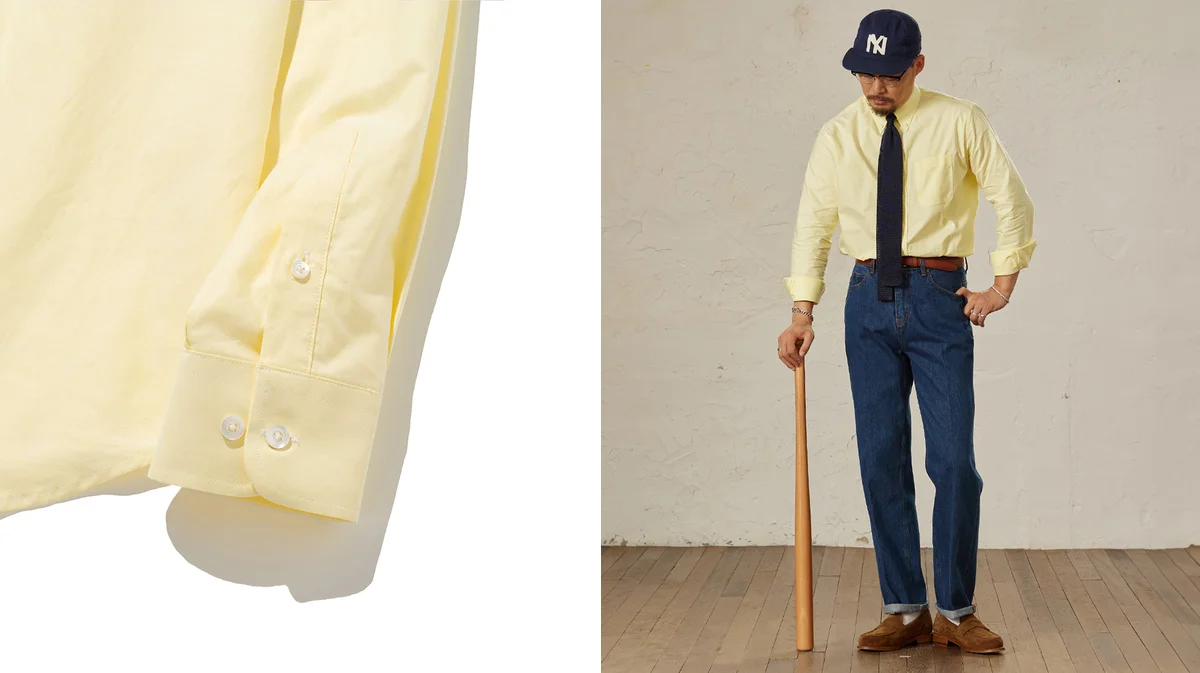
Tuck the shirt in, cinch your belt, and you’re done. No blazer needed. This two-piece move works for a Saturday lunch, a campus seminar, or an evening at a wine bar in Itaewon. Keep the tie’s width between 2 and 2.5 inches — any wider and it fights with the collar’s proportions.
Color-wise, a navy knit tie against a white OCBD is the safest starting point. But honestly? A burgundy or forest green knit tie against a light blue OCBD is where things get interesting. The tonal contrast catches the eye without screaming for attention.
The Knit Tie and Blazer: Smart Without the Suit
Adding a blazer over the knit tie combo is where you start to understand how to wear a knit tie in smarter settings. A navy blazer, white OCBD, and charcoal knit tie hits a sweet spot that a silk repp tie would push into “job interview” territory.
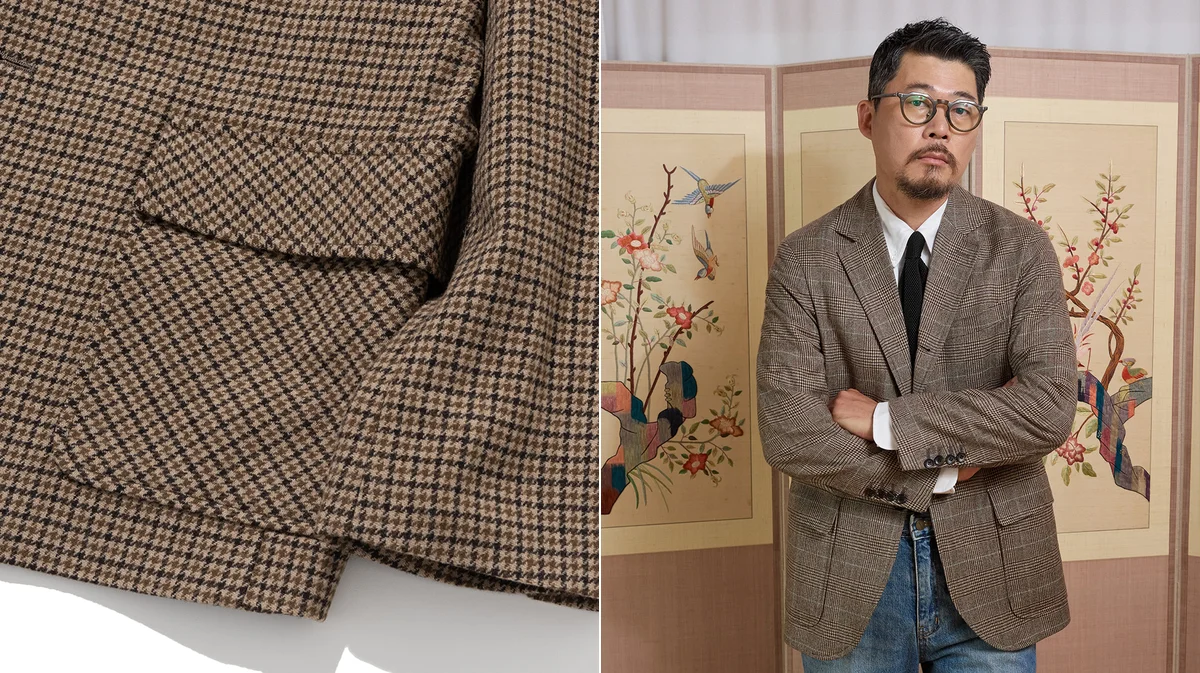
The blazer and knit tie pairing works precisely because the textures are different. The smooth worsted of a blazer, the basket weave of oxford cloth, the ribbed surface of a silk knit — three distinct textures in one outfit. That layering is what makes an outfit look considered rather than just assembled.
For spring and summer in Seoul, swap the wool blazer for an unstructured cotton or hopsack one. The lighter fabric keeps things breathable during those humid May days when you still want to look pulled together for after-work drinks in Seongsu-dong.
Knit Tie Under a Crewneck Sweater: The Sleeper Move
This is the pairing most guys overlook. It’s my favorite way to wear a knit tie from October through March.
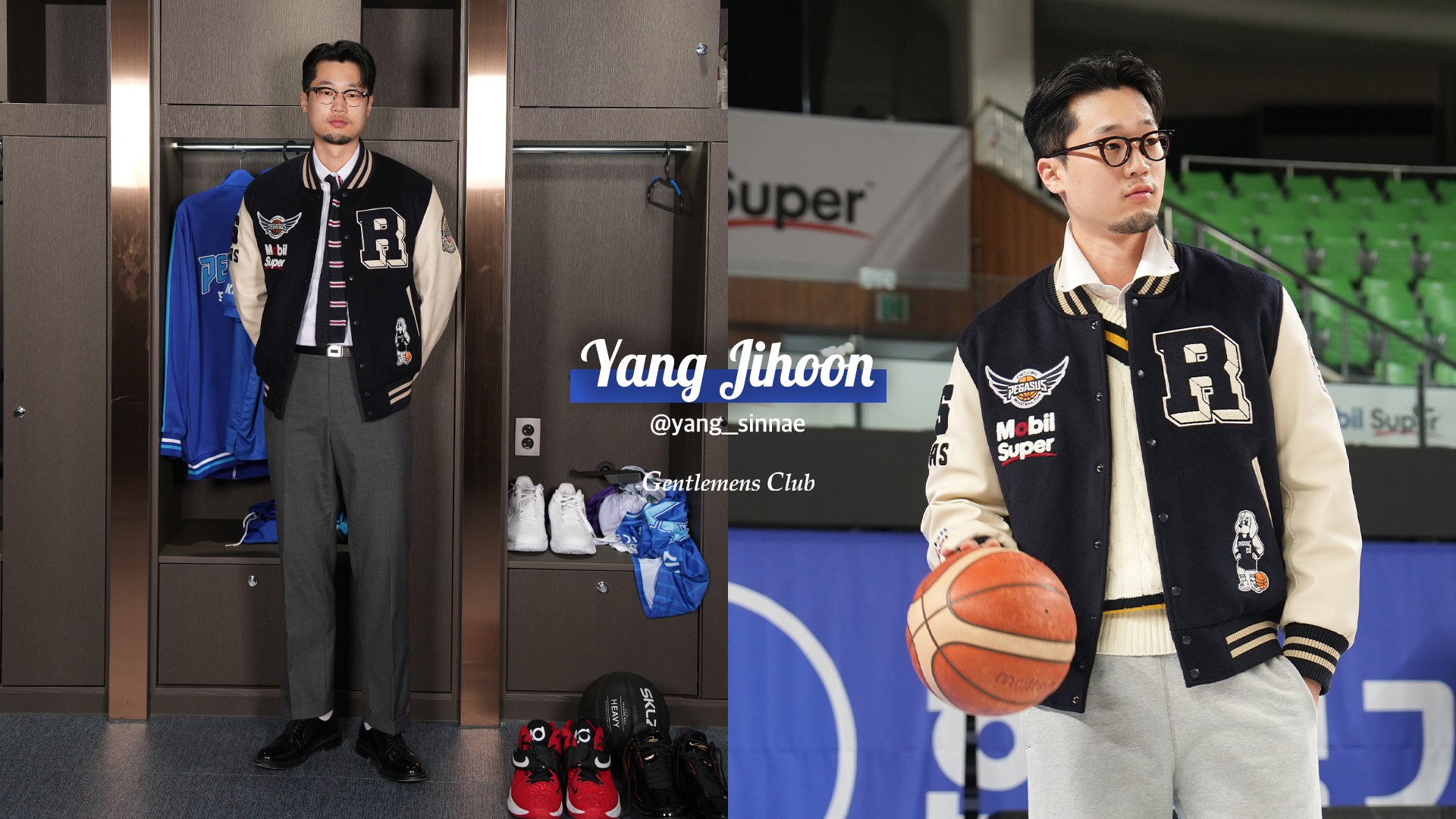
Layer a knit tie under a crewneck sweater so just the knot peeks out above the neckline. The effect is subtle — almost hidden — but it adds a layer of intention that separates a sharp outfit from a boring one. You get the warmth of a sweater and the polish of a tie without looking like you raided your grandfather’s closet.
Navy sweater, white OCBD, burgundy knit tie peeking out. That’s it. Works with grey chinos, works with khaki chinos, works with dark denim. It’s a formula, and formulas exist because they work.
Casual Friday: Knit Tie with Chinos and Loafers
If your office has any concept of casual Friday — or if you work in Seoul’s creative districts where the dress code is “look good but don’t look corporate” — the knit tie is your best friend.
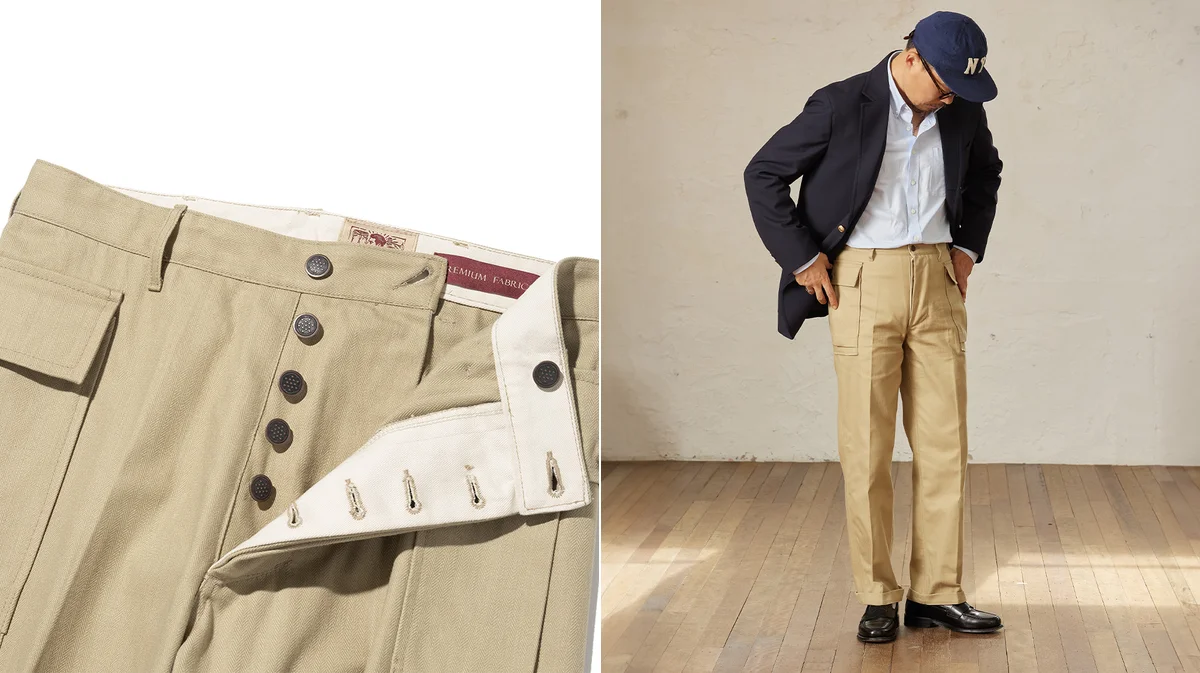
Pair a textured knit tie with a tucked-in OCBD, slim chinos, and penny loafers. No blazer. No sweater. Just the tie doing quiet work. This is the outfit that made knit ties famous on American campuses in the 1950s, and it still holds up because it balances effort and ease without overthinking either.
I’ll be blunt: this only works if the tie is slim and the knot is small. A four-in-hand knot, pulled tight. A dimple is optional but welcome. If your knot is the size of your fist, the whole thing collapses into costume territory.
What to Avoid When Wearing a Knit Tie
Not every outfit wants a knit tie. Here’s where guys go wrong.
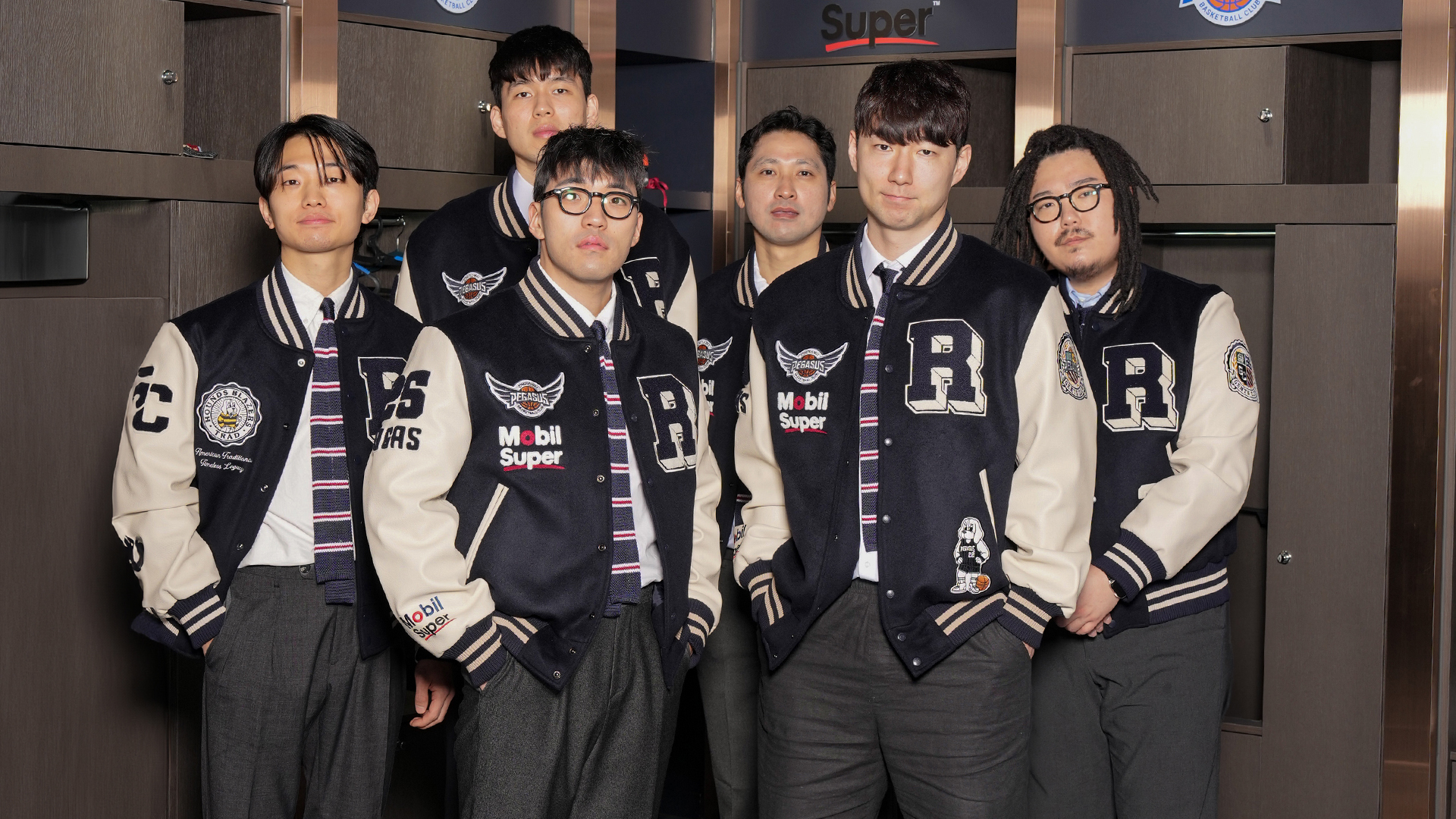
Skip the knit tie with a spread collar dress shirt. The formality mismatch is jarring — spread collars want pointed silk ties, full stop. And avoid pairing a knit tie with a double-breasted blazer. The DB already carries strong visual weight; adding a chunky knit texture makes the chest area look cluttered.
Also, resist the urge to match your knit tie color exactly to your pocket square or socks. That matchy-matchy approach kills the relaxed feel that makes the knit tie worth wearing. Let the tie exist in the same color family — navy tie with a blue-grey pocket square, for example — without being identical.
How to Wear a Knit Tie: Seasonal Adjustments for Seoul
Seoul’s four extreme seasons actually make the knit tie more versatile than it would be in a milder climate.
Spring and fall are peak knit tie season. The temperature is perfect for a shirt-and-tie combo without overheating, and the layering possibilities — blazer on, blazer off, sweater on top — match the 15-degree swings between morning and evening. Summer? Tuck a navy knit tie under a lightweight cotton blazer for rooftop evenings. Winter? Layer it under a heavy crewneck so only the knot shows.
The knit tie adapts to all four seasons because it’s fundamentally a textured accessory, not a formal one. It adds visual interest regardless of what’s on top of it.
Building a Knit Tie Rotation: Start with Three
You don’t need ten knit ties. You need three.
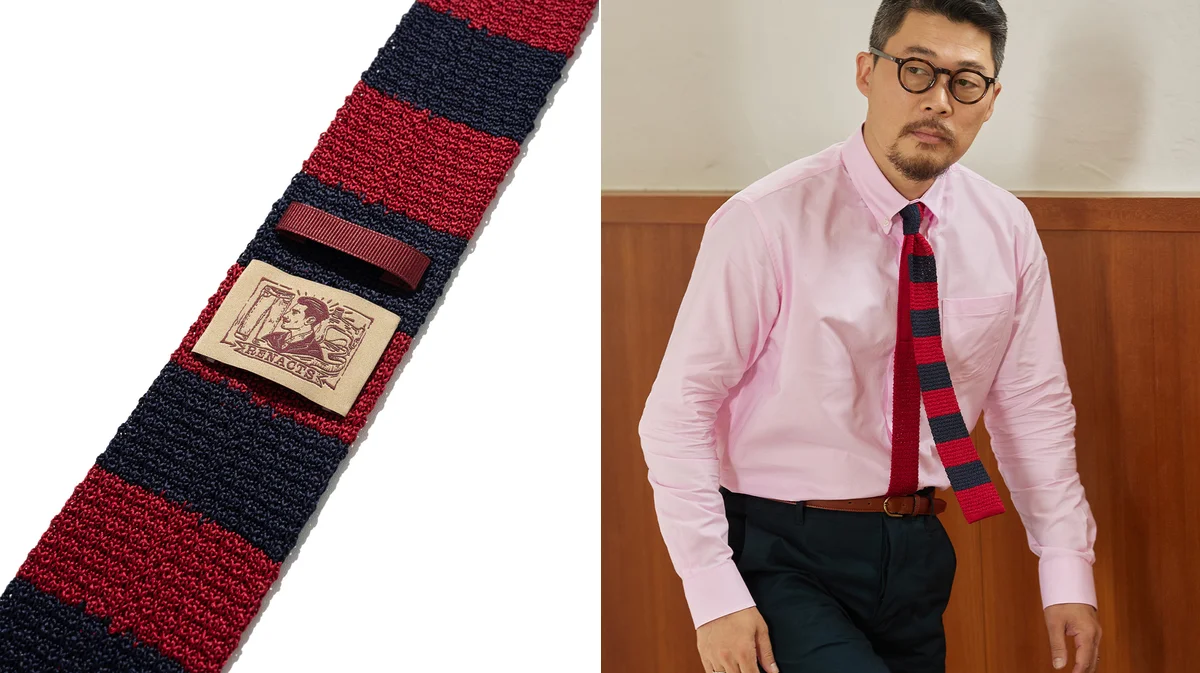
First: navy. It goes with everything — white shirt, blue shirt, grey blazer, navy blazer. Navy is the foundation and it’ll get worn twice a week. Second: burgundy or wine. This is your personality tie; it adds warmth to earth-toned outfits and pops against lighter shirts. Third: charcoal grey. The underrated workhorse. Grey reads neutral without being boring, and it’s the only knit tie that works equally well with both warm and cool color palettes.
Fair warning — once you nail these three, you’ll start finding excuses to buy more. A forest green for autumn. An ivory cotton for summer. A brown silk for weekends. But start with the three. They’ll cover 90% of situations.
For how to wear a knit tie, Renacts offers silk knit ties in several of these core colors, and at their price point, building a three-tie rotation is realistic rather than aspirational. The square-cut tip and slim width pair naturally with the brand’s OCBD collars — which makes sense, since both are designed with the same Ivy proportions in mind.