Gant History: The New Haven Factory Behind the Ivy Shirt
Most Gant history starts in 1949, with a label. Ours starts twenty years earlier, in a factory that sewed other people’s names into the collar. Brooks Brothers gave the oxford button-down its front in 1896; a family of New Haven contractors gave it its back.
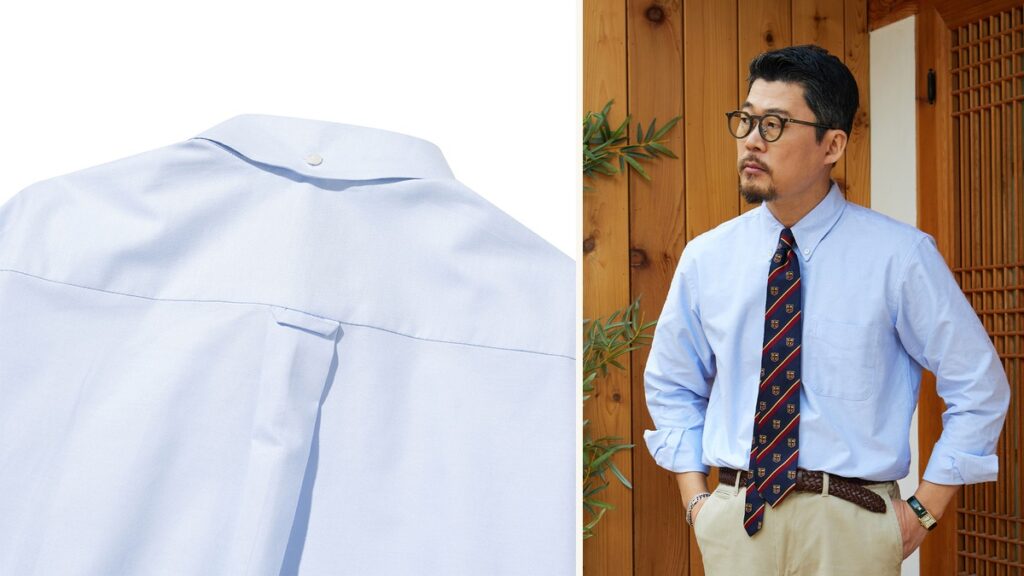
This Gant history covers the factory, the campus store, and the sale that moved everything to Sweden. It also covers the three details on the back that still mark an Ivy shirt. We’ll show them on a shirt made in Korea and worn in Seoul today.
Before the label: sewing for Brooks Brothers
Bernard Gantmacher arrived in New York from Ukraine before the First World War. He found work sewing shirt collars in a garment factory. He married Rebecca Rose, a button and buttonhole specialist at the same company.
After his war service the couple started the Par-Ex Shirt Company with a partner, Morris Shapiro. Par-Ex didn’t sell shirts under its own name. It made them for Brooks Brothers, J. Press and Manhattan — the labels a customer actually saw.
Honestly, that’s the most useful fact in this whole story. The people who later defined the Ivy shirt spent two decades making the Brooks Brothers version first.
In 1927 the company moved to 20 Wooster Street in New Haven, Connecticut. The draw was labor: a large Italian immigrant community and a garment trade to employ it. Shirt factories clustered in the industrial blocks off State Street.
1949: the Gant label, and why New Haven
The sons changed the business. Elliot and Marty Gantmacher pushed their father to stop contracting and sell under a family name. In April 1949 the Gant label was launched, and the brothers later took Gant as their surname.
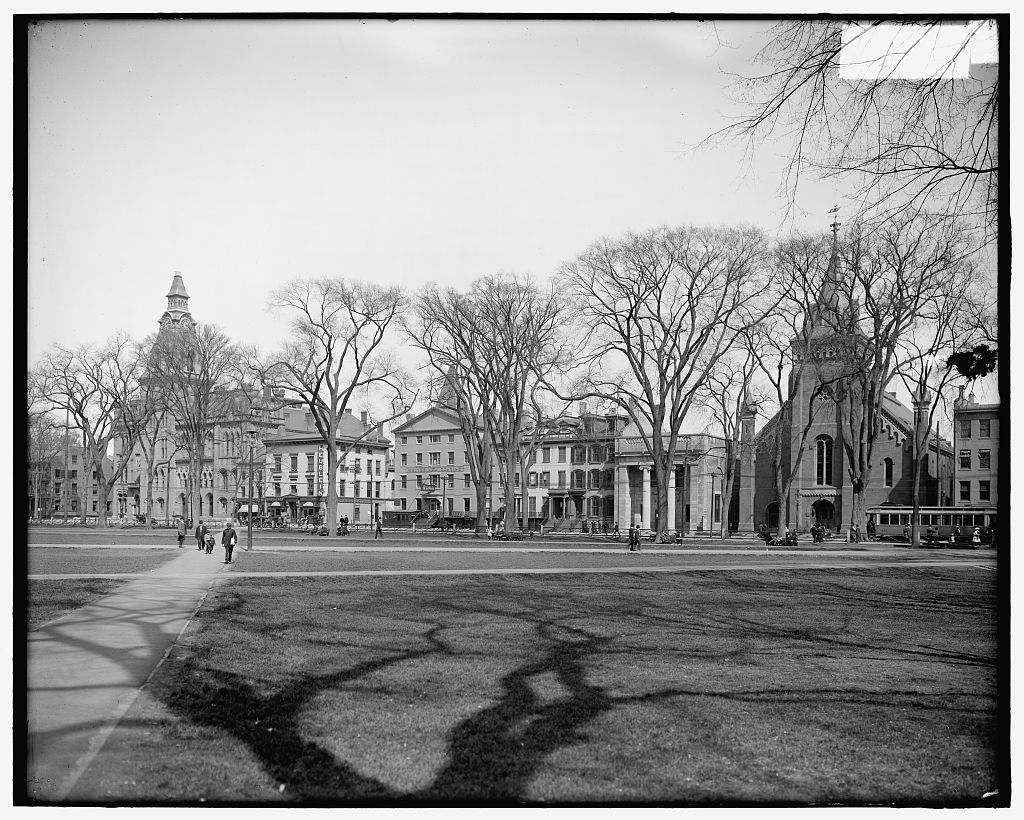
Timing mattered as much as the name. New Haven in the early 1950s wasn’t just Yale’s town — it was a shirt town. Gant, Sero and Tanger all ran factories in the same district, turning out oxford button-downs by the thousand every day.
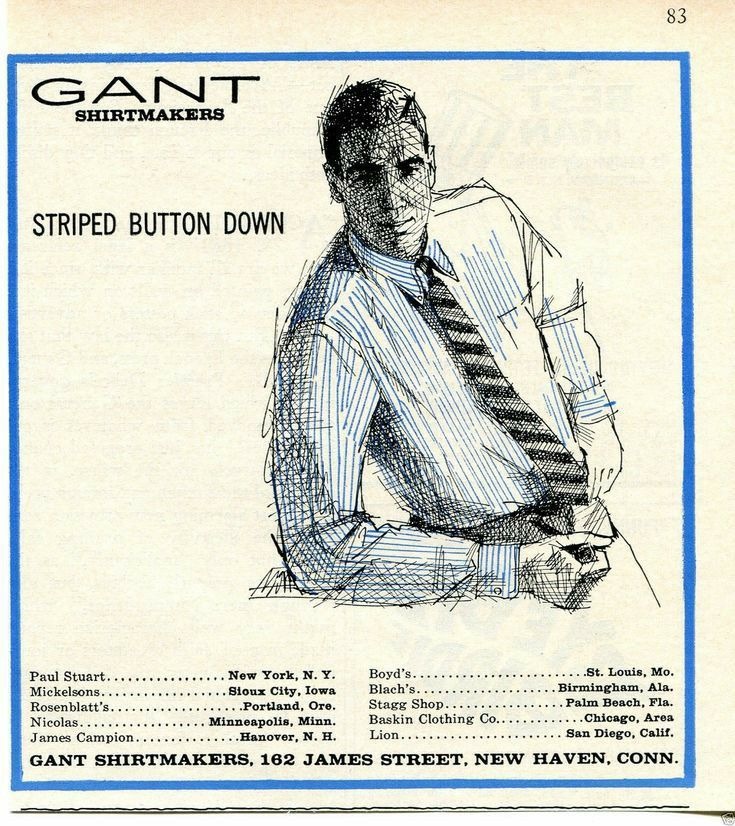
Then the national press arrived. On November 22, 1954, LIFE announced that the Ivy League look was leaving the East Coast and heading across the country. New Haven’s J. Press sat at the center of the story.
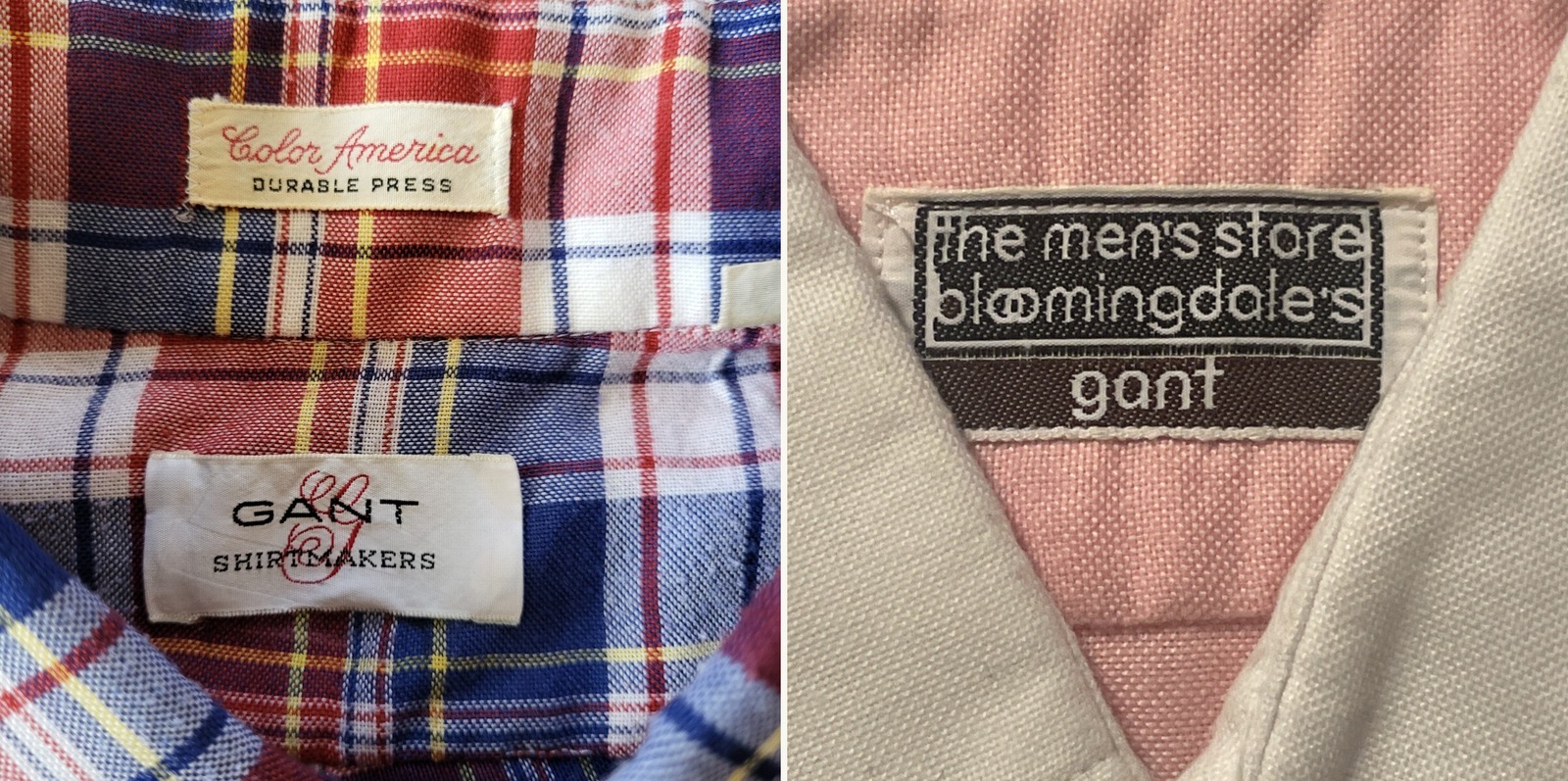
Brand sources say the company renamed itself Gant of New Haven the same year — a sign of how much the city’s name was suddenly worth. Collectors date labels by that wording: “Gant of New Haven” until 1959, “Gant Shirtmakers” after. Every Gant history marks 1955 as the handover, when Bernard died and the brothers took over outright.
The Yale Co-op shirt
Every campus brand needs a campus store. For Gant it was the Yale Co-op, the university’s cooperative store, which stocked the shirts early and soon couldn’t keep them on the shelves. Students wore them home and carried the habit to other campuses.
By the 1960s the relationship was exclusive. Gant made the Yale Co-op shirt specifically for the store, a button-down oxford sold under the Co-op’s own name. Yale still calls the Co-op the place where the Ivy League look emerged.
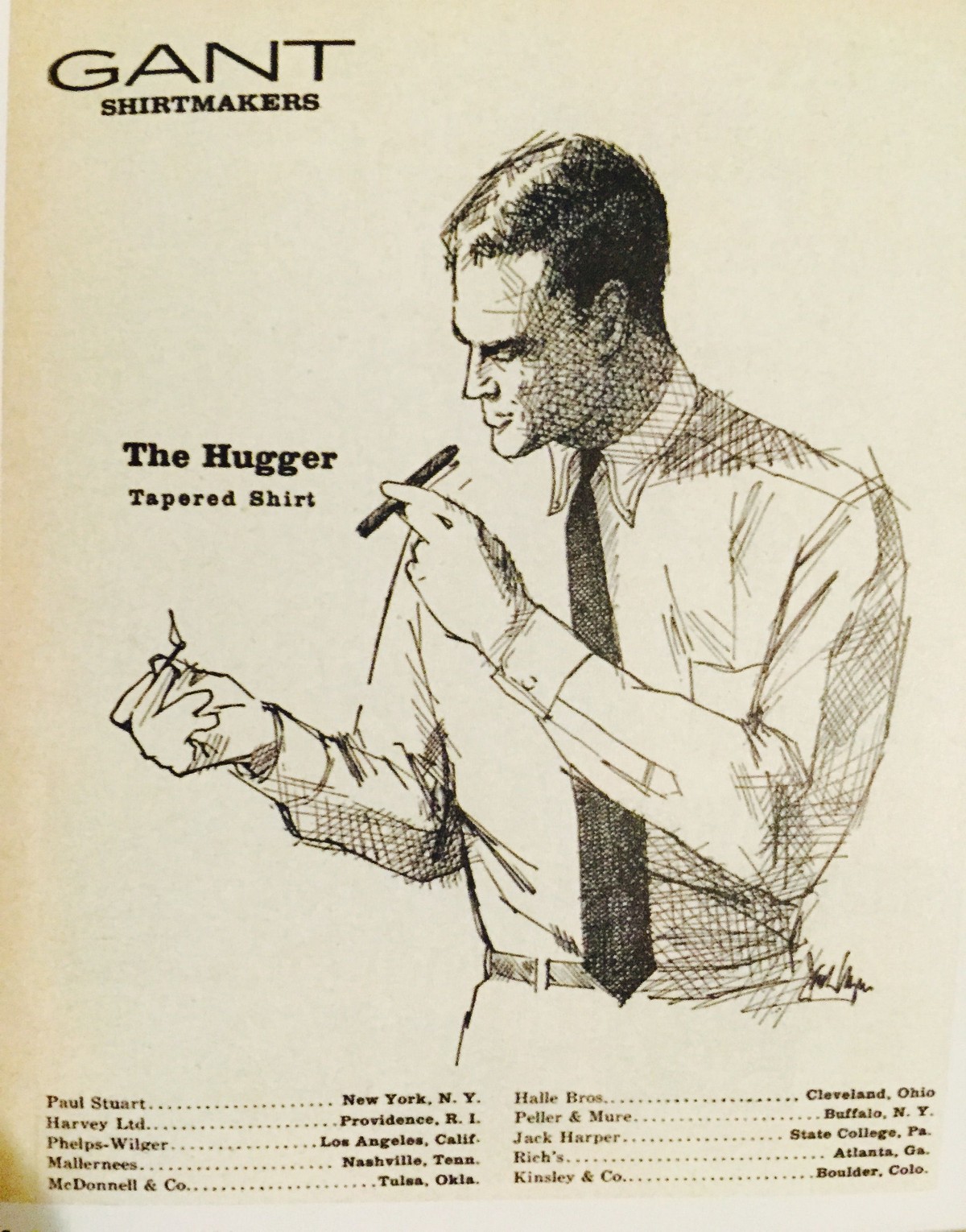
A 1966 Co-op ad sold the shirt on “the casual roll of the collar” and priced it at $7.00. Not the label, not the cloth: the roll.
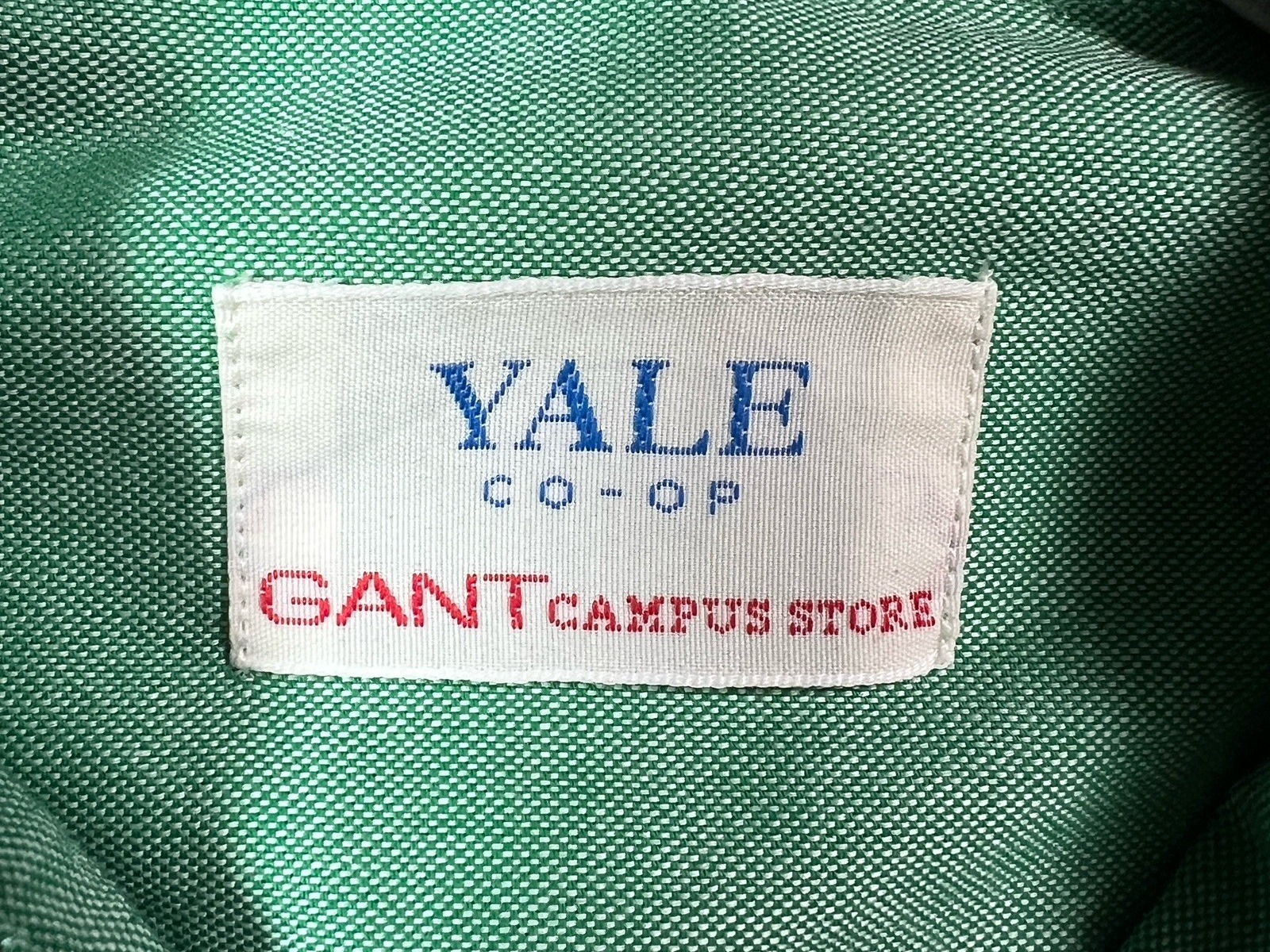
In 2019 Yale brought the shirt back through Vineyard Vines. It’s sold at the Barnes & Noble on Broadway that took over the Co-op’s old building. Gant history, it turns out, is still on sale in New Haven.
The company also kept a shop of its own at the corner of Elm and York Streets, directly across from campus. It outlasted the factories by four decades and closed in 2021.

Three details on the back
Turn a proper Ivy oxford around and you’ll find three things a plain dress shirt doesn’t have. None are on the front, which is why most people never notice them. All three are why this Gant history is worth telling.
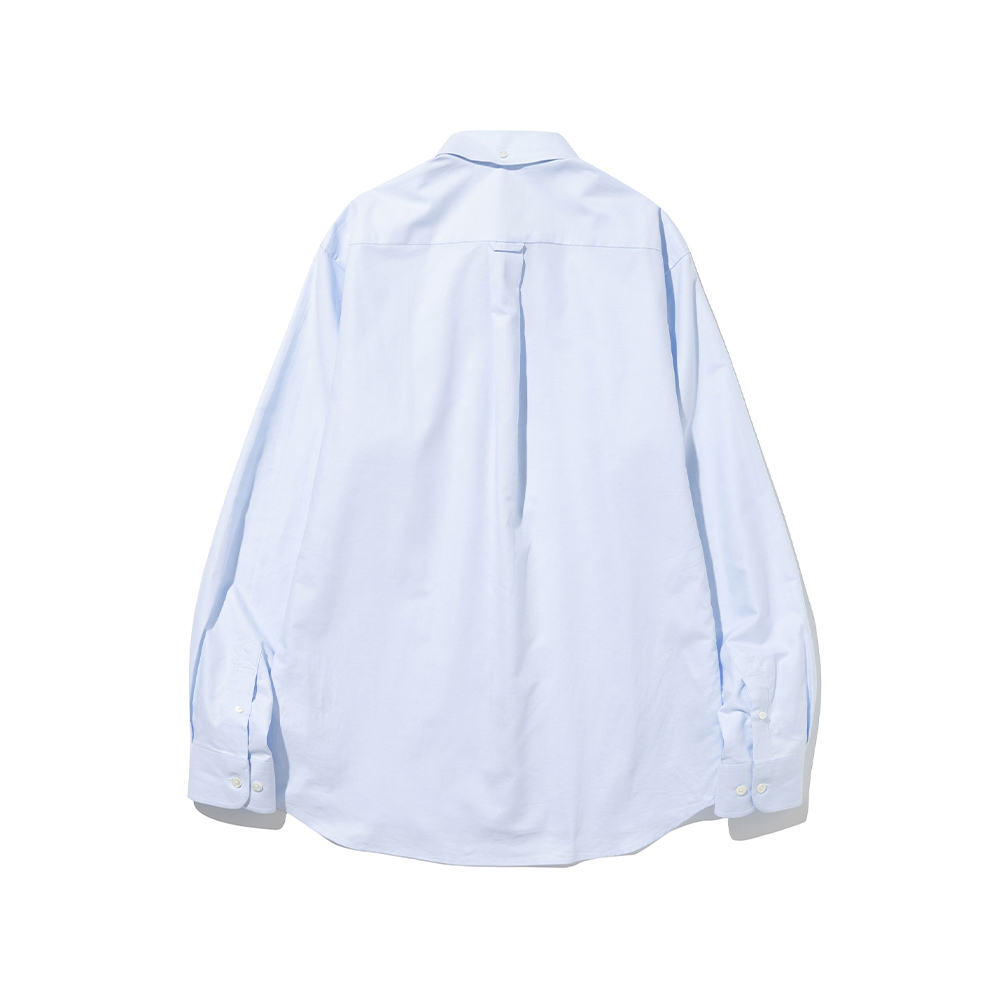
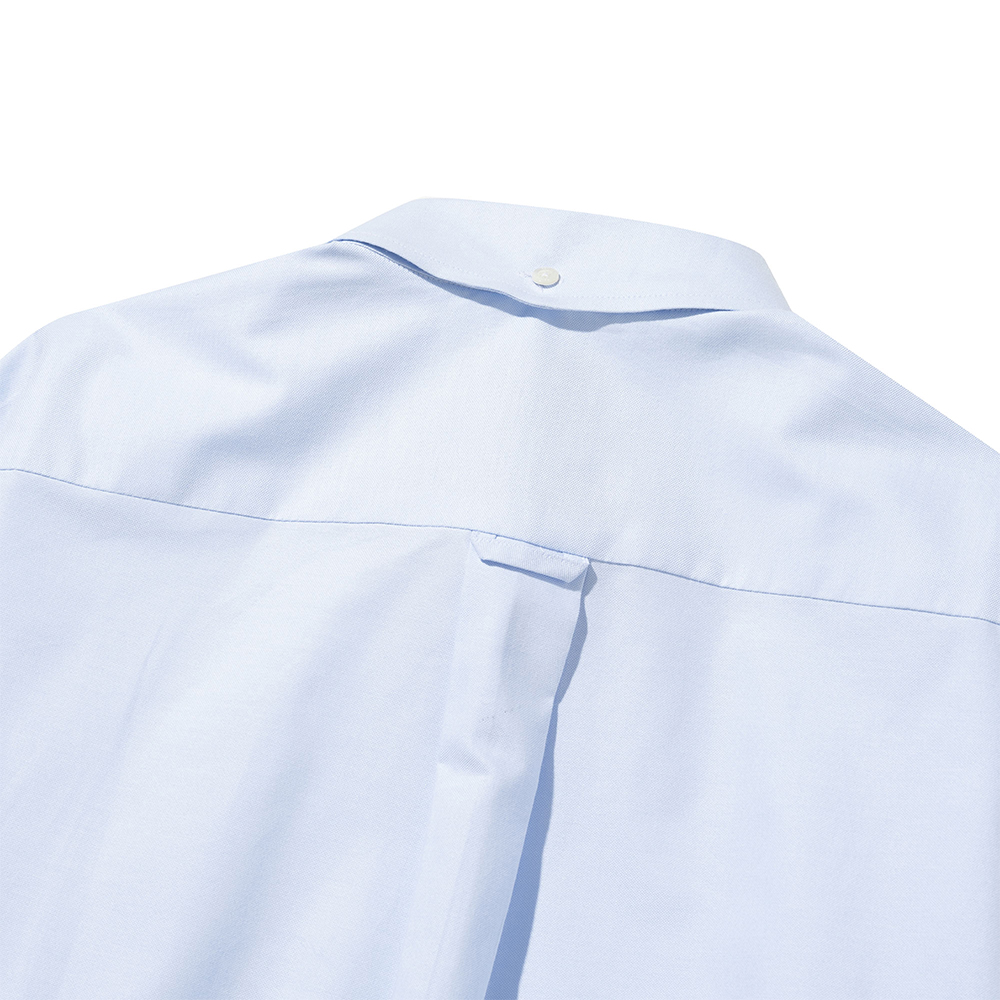
The back-collar button. A third button sits at the center back of the collar band. It keeps the collar standing and stops the tie from riding up over it.
The brand credits Elliot Gant with a button tab that held the tie inside the collar roll. It also credits him with a 1963 Esquire Fashion Design Award for the idea. Both claims come from Gant and its retailers, so treat them as brand-reported.
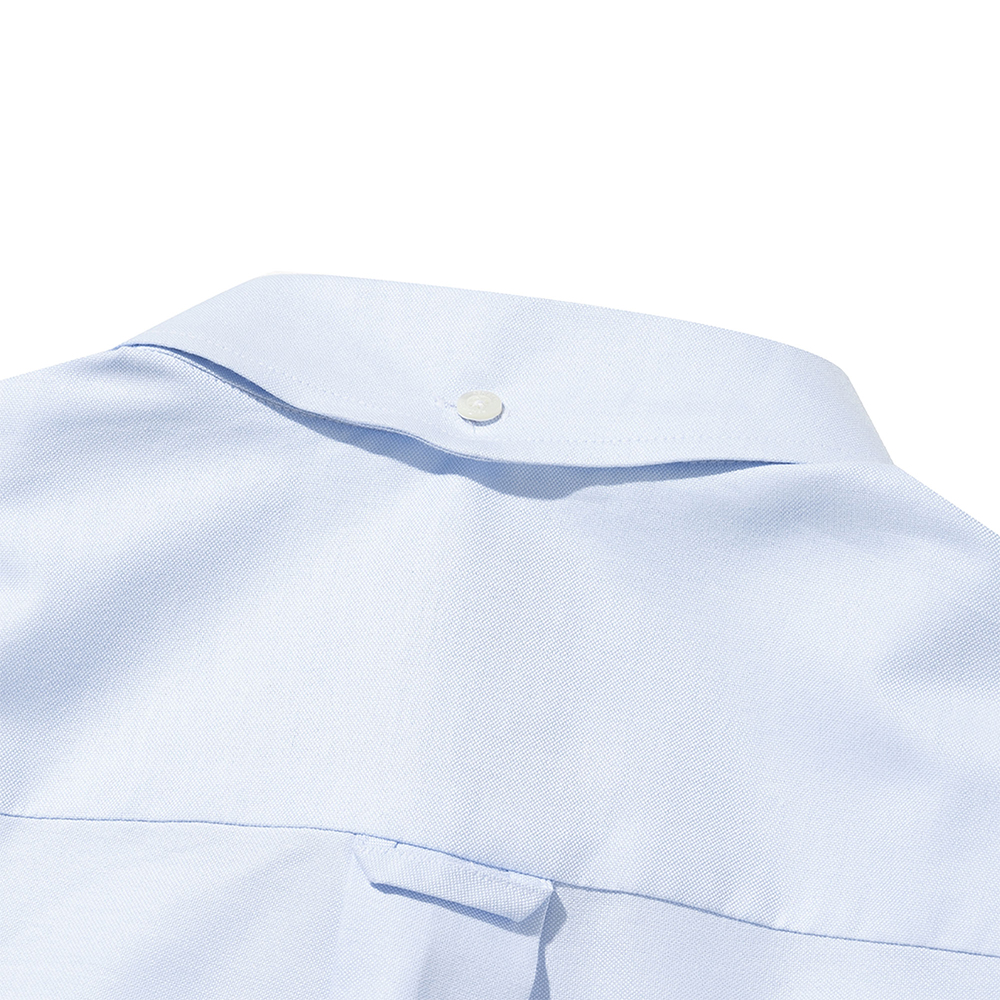
The locker loop. A short loop of fabric hangs from the yoke seam, so a student could hang the shirt on a locker hook without a hanger. That’s the entire function — gym-room hardware that ended up on a dress shirt.
The box pleat. A single pleat runs down the center back below the yoke, folded so the extra cloth sits in one flat panel. It gives the shoulders room when you reach forward; side pleats do the same job less elegantly.
Here’s the thing: Gant didn’t patent any of this. Other New Haven makers used the same details.
What Gant did was put all three on one shirt, sell it at the Yale Co-op and ship it to a hundred department stores. By the 1960s a shirt without them looked wrong.

A Gant history timeline: from 500 workers to Stockholm
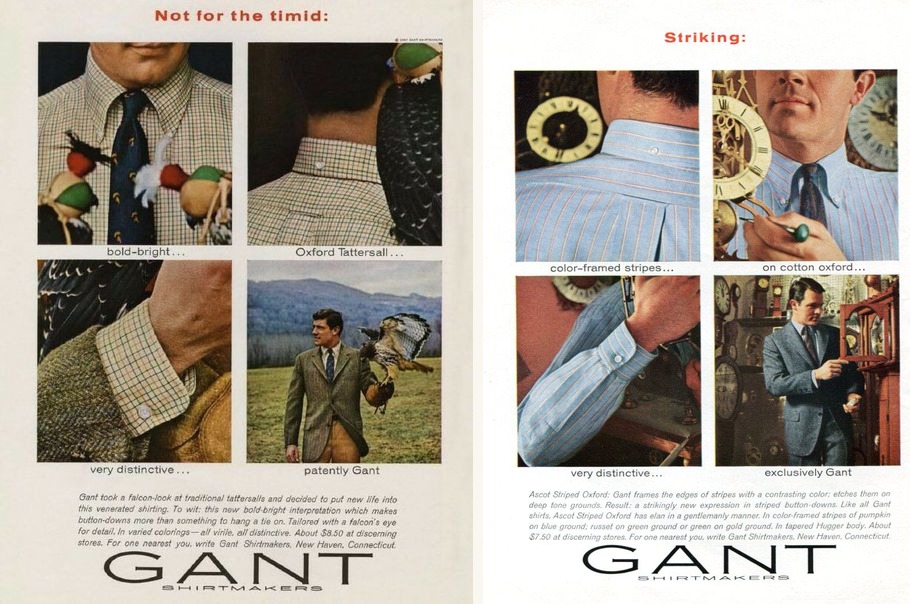
Growth came fast. Gant signed a contract with the Hart Schaffner Marx Retail Group covering more than a hundred stores, including Wallach’s. In 1955 it opened a factory at 130 Haven Street.
By the mid-1960s it had built a new plant at 40 Sargent Drive on Long Wharf, with a warehouse run on IBM computers. Around 500 people worked in Gant’s New Haven factories by the end. The Gant history timeline below is what happened next.
| Year | What happened |
|---|---|
| 1927 | Par-Ex Shirt Company moves to 20 Wooster Street, New Haven |
| 1949 | The Gant label is launched |
| 1955 | Bernard Gantmacher dies; Elliot and Marty take over. Haven Street factory opens |
| 1959 | Label changes from “Gant of New Haven” to “Gant Shirtmakers” (per collectors’ label guides) |
| 1968 | Sold to Consolidated Foods. The brothers stay on |
| 1971 / 1974 | First sportswear line; Rugger label launched |
| 1979 | Becomes a subsidiary of The Palm Beach Company. New Haven production ends — about 500 garment jobs |
| 1980 | Pyramid Sportswear of Sweden licensed to make and sell Gant in Europe |
| 1995 | Phillips-Van Heusen buys the US brand out of Crystal Brands’ bankruptcy |
| 1999 | PVH sells Gant to Pyramid Sportswear for $71 million |
| 2008 | Maus Frères of Switzerland acquires Gant; delisted from the Stockholm exchange |
| 2021 | The Elm and York Street shop in New Haven closes |
Read that table twice and one thing jumps out. The shirt survived every owner.
The Long Wharf factory is a furniture store now, and the headquarters is in Stockholm. But the back-collar button, the locker loop and the box pleat are still on the product. Details outlive companies.

What Brooks settled, and what Gant settled
It helps to split the shirt in two. The front was settled in New York.
John E. Brooks saw English polo players with their collars pinned down in 1896. By 1900 Brooks Brothers was selling a soft collar with buttoned points — the collar roll, the unlined collar, the front placket. Our Brooks Brothers history covers that story.
The back was settled in New Haven, by the people who had sewn the Brooks version for two decades. So did Gant invent the OCBD? No — and half the shirt you’re wearing is still theirs.
| Detail | Where it comes from | What it does |
|---|---|---|
| Buttoned collar points | Brooks Brothers, 1896–1900 | Keeps the collar from flapping; creates the roll |
| Unlined soft collar | Brooks Brothers | Lets the collar roll instead of lying flat |
| Back-collar button | New Haven makers, popularized by Gant | Holds the collar up and the tie in |
| Locker loop | New Haven makers, popularized by Gant | Hangs the shirt on a hook |
| Box pleat | New Haven makers, popularized by Gant | Gives the shoulders room |
For the front half in detail — collar length, cloth weight, why fused collars are the enemy — read our oxford button down shirt guide. This post is about the other half.

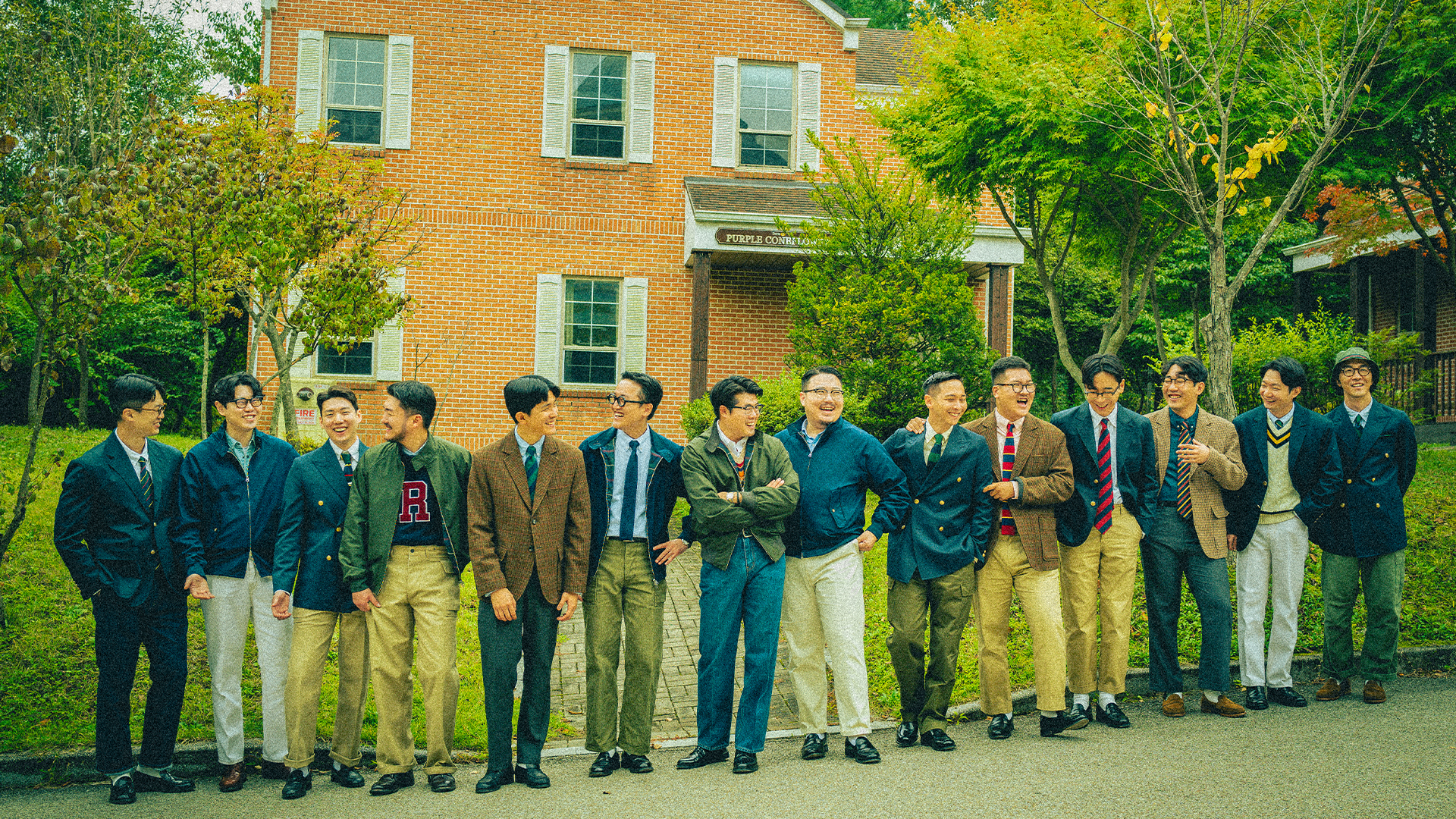
The Ivy shirt in Seoul
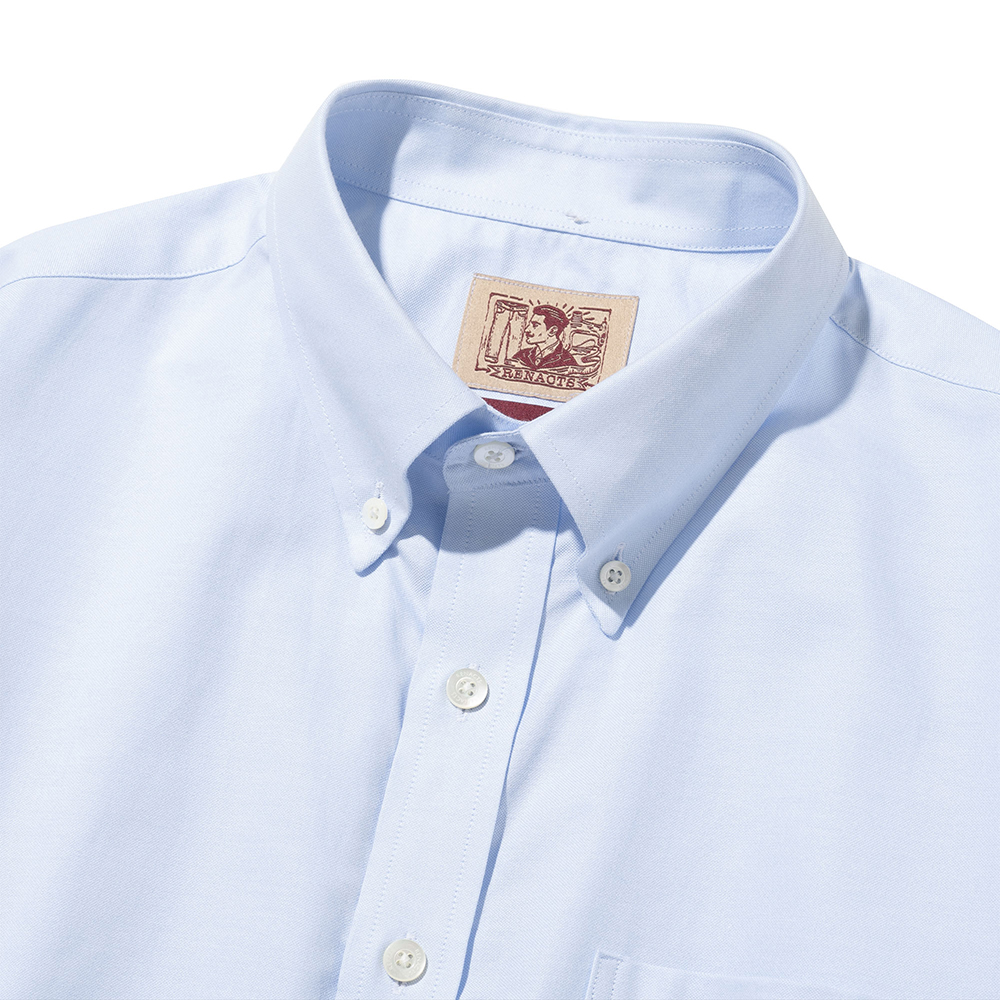
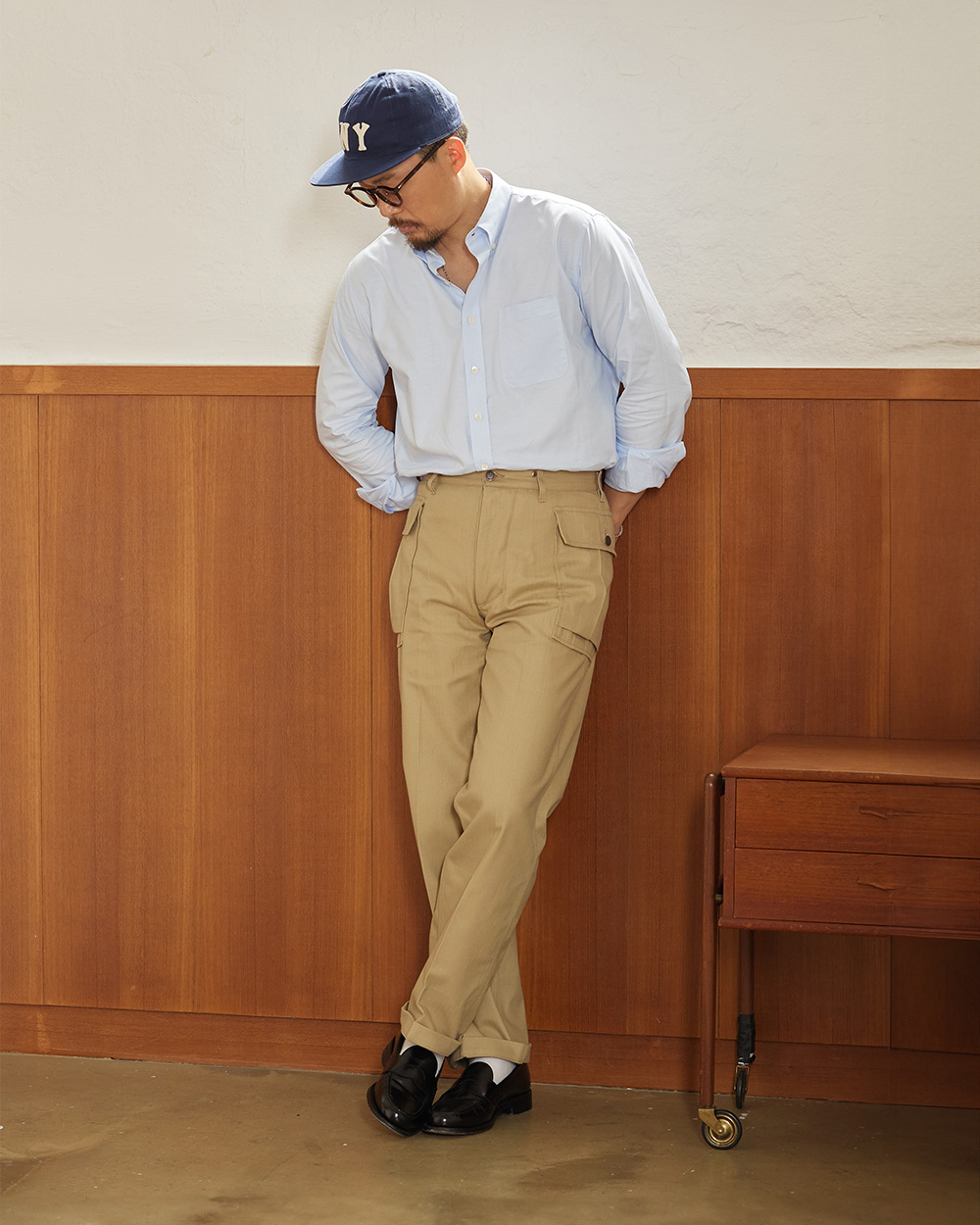
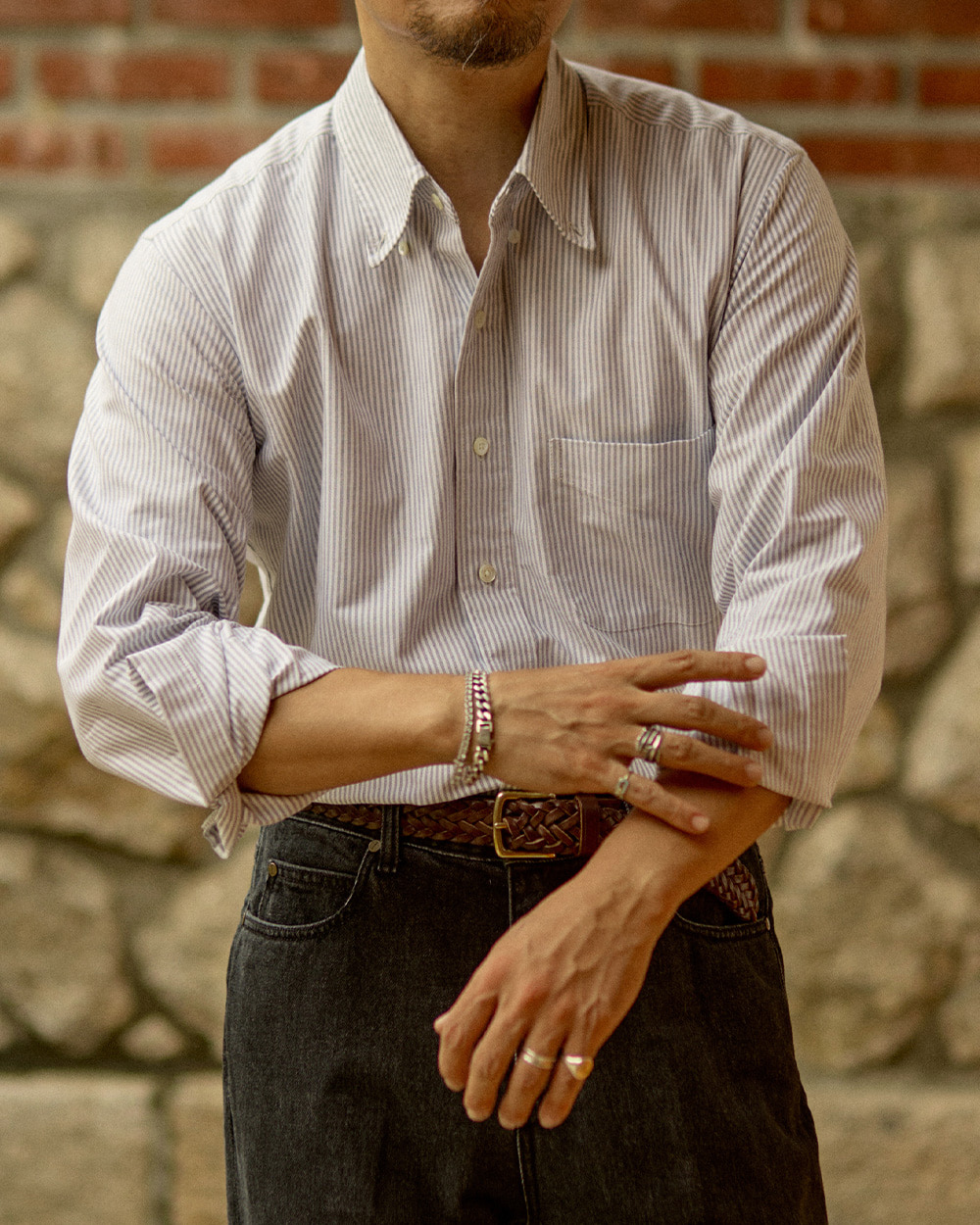
Renacts makes its oxford shirts in Korea with the New Haven back intact: the button, the loop and the pleat you saw above. For its Ivy OCBD line, the product notes add a six-button front referencing late-1950s shirts, a curved yoke seam and side gussets. Buttons there are mother-of-pearl; the brand’s own pages list the rest.
What changes in Seoul is the context, not the shirt. The New Haven student wore his under a sack jacket on the way to a lecture. Here it goes with chinos and no jacket for most of the year, tucked in.
Sleeves get rolled once when the humidity arrives in July. The tuck question has one answer, and it hasn’t changed since 1949.
I’ll be blunt about why this Gant history matters for a shirt you buy today. A back-collar button costs almost nothing to add and tells you the maker knows what the shirt is for. Check for it.
If the loop and the pleat are there too, someone read the same New Haven textbook we did.
Gant history FAQ
Did Gant invent the oxford cloth button-down shirt?
No. Brooks Brothers introduced the buttoned soft collar between 1896 and 1900. Gant popularized the shirt on campus from 1949 and standardized the back details: back-collar button, locker loop and box pleat.
What is a locker loop for?
Hanging the shirt on a locker hook without a hanger. It’s a small fabric loop sewn into the yoke seam at the top of the box pleat.
Where does Gant history begin, New York or New Haven?
Both. The Gantmacher family’s factory started in New York and moved to New Haven in 1927. The Gant label itself was launched in New Haven in 1949.
Is Gant still an American company?
No. Production left New Haven in 1979, and Pyramid Sportswear of Sweden bought the brand in 1999. The Swiss group Maus Frères has owned it since 2008, with headquarters in Stockholm.
Which New Haven makers worked alongside Gant?
Sero and Tanger ran shirt factories in the same district, and J. Press sold the look from York Street. For the wider family of labels, see our American vintage brands guide and the Ivy style guide.
Sources: Gant (company), Wikipedia; Ivy Style, “Golden Years: Gant Shirtmakers of New Haven”; Daily Nutmeg, “Shirt Tales”; Yale News, June 2019; Ivy Style, “The Casual Roll: Gant x Yale, 1966”. Vintage advertisements and label photographs are reproduced at reduced size for historical commentary; sources are noted in each caption.