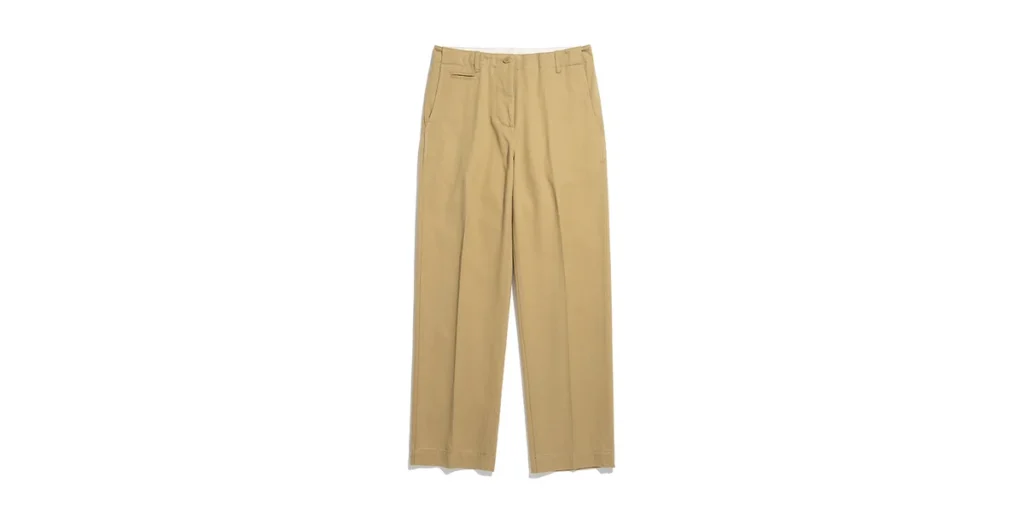
Chino Fit Guide: Slim, Straight & Tapered Explained
Why You Need a Chino Pants Fit Guide in the First Place
Here’s the thing about chinos: the fabric is almost always the same. Cotton twill, diagonal weave, garment-dyed or piece-dyed. What actually changes how you look — and whether you look good — is the fit.
Our complete guide to wearing chinos covers specific outfit combinations in much more detail — from casual weekends to smart layered looks.
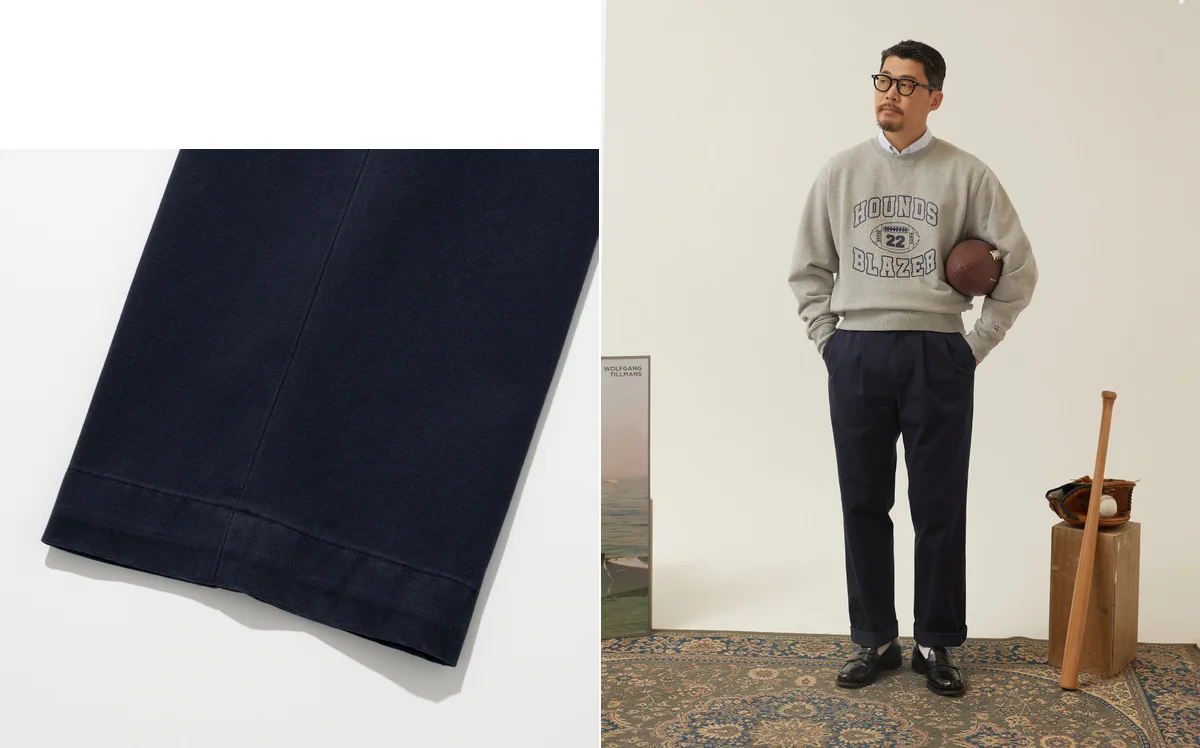
This chino pants fit guide covers the three silhouettes you’ll encounter everywhere: slim, straight, and tapered. Each one does something different to your proportions, and picking wrong can make a $200 pair look worse than a $30 one.
Most guys default to whatever they tried on first in college and never reconsider. That’s a mistake. Your body changes. Trends shift. And understanding fit is the single highest-leverage thing you can do for how you dress.
The Three Chino Fits, Defined Simply
In this chino pants fit guide, Before we get into who should wear what, let’s get the definitions straight. These terms get thrown around loosely, and brands aren’t consistent about what they mean.
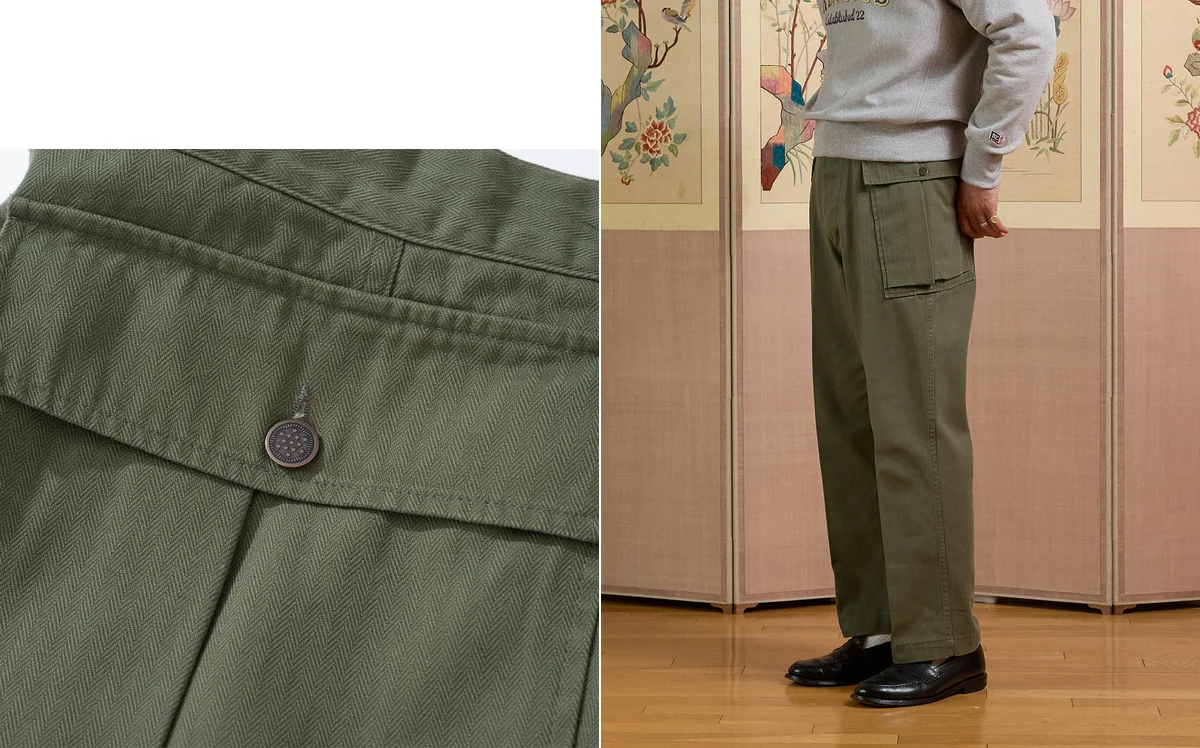
Slim fit follows the leg closely from thigh to ankle. The leg opening is narrow — usually 13 to 14.5 inches. There’s minimal excess fabric anywhere.
Straight fit has a consistent width from knee to hem. The thigh has more room than slim, and the leg opening is wider — typically 15 to 17 inches. Think of a gentle cylinder shape.
Tapered fit is the hybrid. Roomy through the thigh like a straight fit, but the leg narrows below the knee toward a slimmer opening — usually 14 to 15.5 inches. It’s the most modern of the three and, in my opinion, the most versatile.
How Chinos Should Fit: The Non-Negotiables
Regardless of which silhouette you choose, certain things should always be true. The waistband should sit comfortably without a belt holding everything up. If you need a belt to keep your chinos from falling, the waist is too big.
The seat — that’s the area across your backside — should be smooth. No drooping, no bunching. Excess fabric here makes even expensive chinos look cheap.
The front crease area should lay flat when you’re standing. If you see horizontal pulling lines across the thigh, the fit is too tight. If the fabric billows when you walk, it’s too loose. A fit guide that skips these basics isn’t worth reading.
Slim Fit Chinos: Who They Work For
Slim chinos look best on lean builds. If you have narrow hips and thighs that don’t strain the fabric, slim is probably your most natural fit. The close cut creates a clean line that works especially well under blazers — the silhouette stays streamlined from shoulder to shoe.
But I’ll be blunt: slim fit has become a trap for a lot of guys. If you have athletic thighs from squats, football, or just genetics, forcing yourself into slim chinos creates an unflattering sausage effect. The fabric pulls at the thigh and the pockets flare open. Not the look.
In Seoul, slim chinos peaked hard around 2016–2018. You still see them, but the city’s style has moved toward slightly wider proportions. Context matters.
Straight Fit Chinos: The Classic Choice
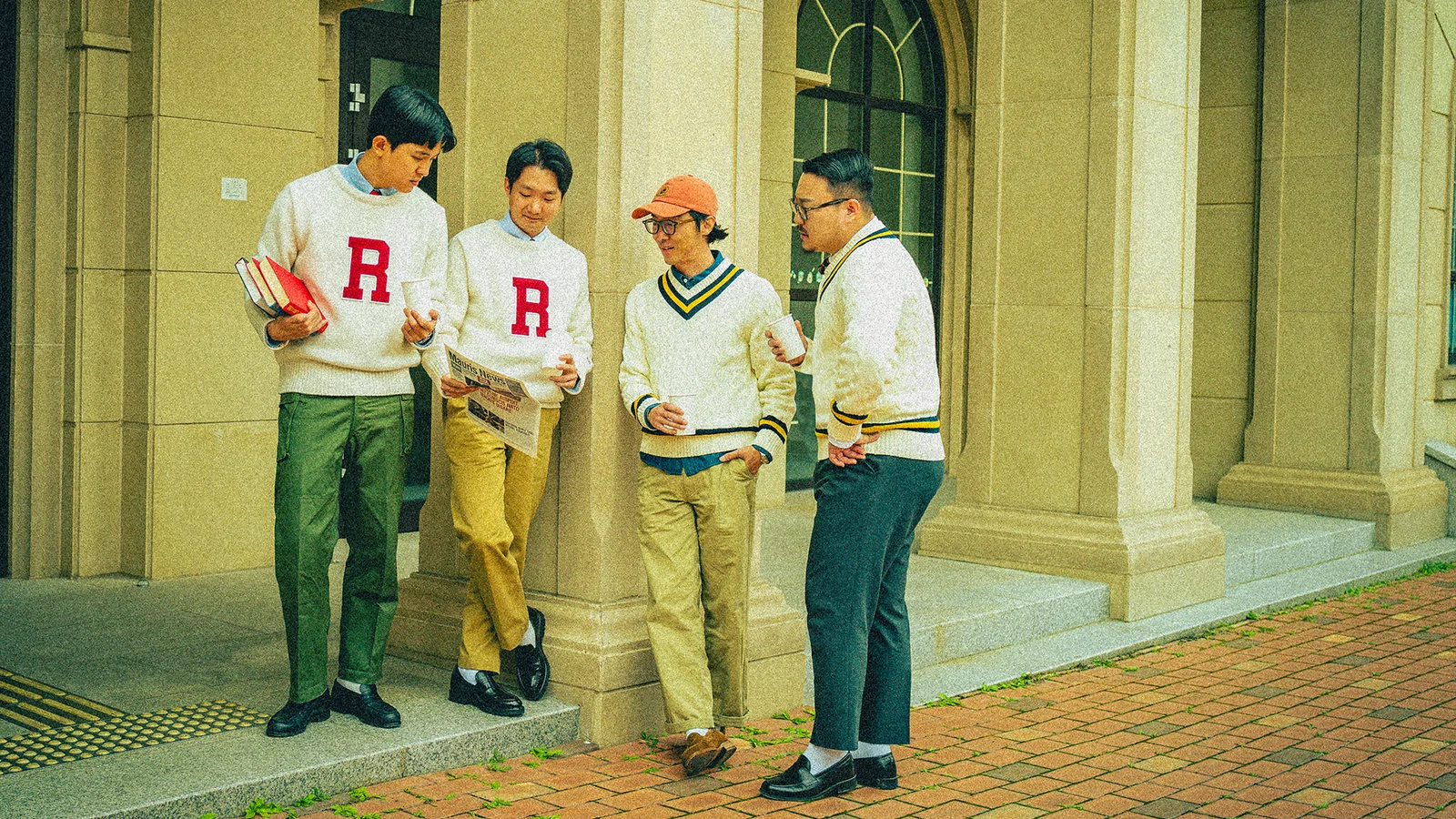
Straight fit is the original. When people talk about Ivy League chinos from the 1950s and 60s — the kind you see in old campus photos from Princeton or Yale — they’re talking about a straight fit with a full leg and a clean break at the shoe.
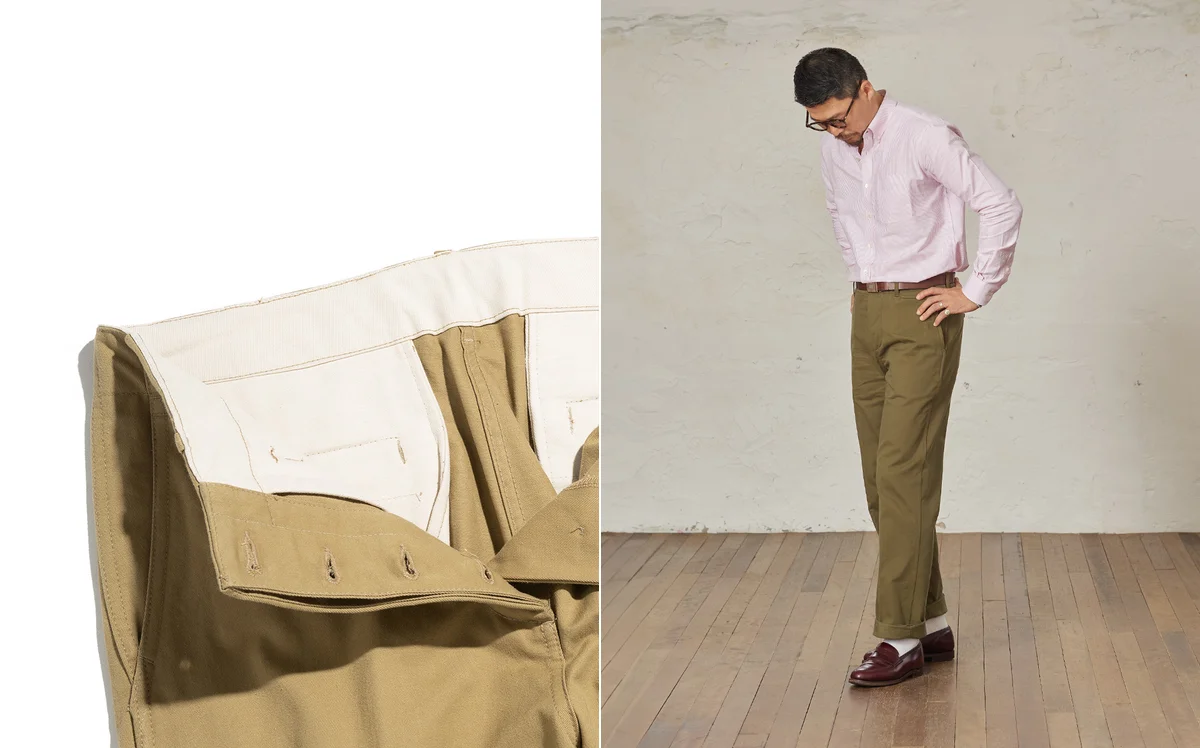
The appeal is simplicity. Straight chinos don’t draw attention to your legs. They create a relaxed vertical line that balances well with broader-shouldered tops like blazers, crewneck sweaters, and anoraks.
The risk? On shorter frames, an overly wide straight fit can look boxy. The hem pools at the shoe and the whole silhouette loses shape. That’s where tailoring or a half-break length saves you.
Tapered Fit Chinos: The Modern Sweet Spot
If I had to recommend one fit to someone who’s never thought carefully about chino silhouettes, it would be tapered. Every time.
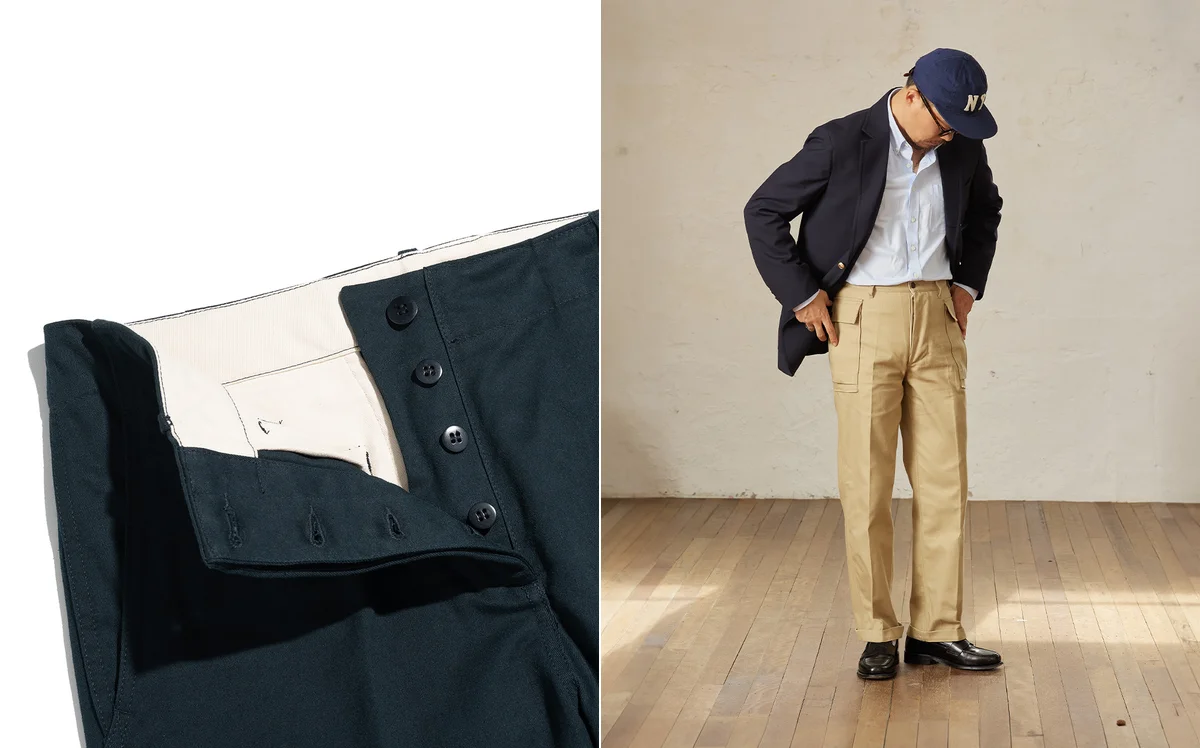
Tapered chinos solve the most common problem in menswear: guys who need room in the thigh but don’t want the leg to look shapeless below the knee. The wider top accommodates athletic builds, while the narrowing lower leg creates a clean silhouette that works with loafers, derbies, and everything in between.
This is the fit that dominates Seoul street style right now. Walk through Seongsu or Hannam on any weekend and you’ll see tapered chinos everywhere — cuffed once or twice, paired with an oxford shirt and penny loafers.
Fair warning: not all tapered fits are created equal. Some brands taper aggressively below the knee, creating an almost carrot-shaped silhouette that looks dated. The best taper is gradual and subtle.
Choosing Your Fit by Body Type
General descriptions are fine, but your body makes the final decision.
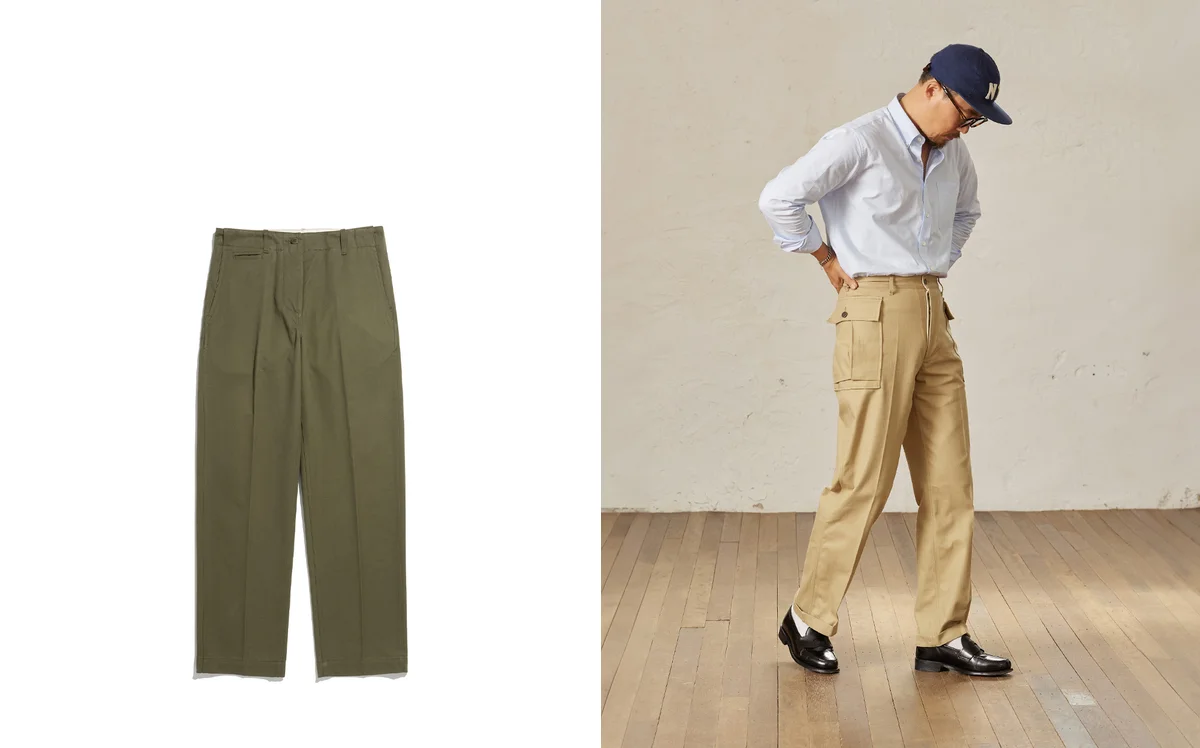
Lean and tall (over 5’10”, slim build): You have the most options. Slim works. Straight works. Tapered works. My suggestion: lean toward straight or tapered for a more substantial look rather than emphasizing how thin your legs are.
Athletic build (developed thighs and glutes): Tapered is your best friend. Skip slim entirely — it’ll fight your legs. Straight can work but might look too uniform from knee to hem.
Shorter frames (under 5’7″): Tapered with a higher rise. The taper creates a longer visual line, and the higher rise avoids that low-crotch look that shortens your legs. Get the hem right — no break or a slight break only.
Larger builds: Straight fit with a proper rise gives the most comfortable and flattering result. Avoid anything too slim below the knee.
The Details That Matter: Rise, Break, and Cuff
Fit isn’t just about the leg shape. Three other details make or break the look.

Rise is the distance from the crotch seam to the waistband. Mid-rise (10–11 inches) works for most people. Low-rise chinos sit below the natural waist and tend to look sloppy when you sit down. High-rise (11.5+ inches) is making a comeback in trad circles and is genuinely more comfortable.
Break refers to how the hem falls on your shoe. A full break means the fabric folds noticeably — too much for most modern fits. A half-break creates one soft fold. No break means the hem just barely touches the shoe. For tapered and slim fits, I’d go with no break or half-break. For straight fits, a half-break looks right.
Cuffing is optional but common, especially in Seoul. A 1.5-inch cuff adds visual weight to the hem and shortens the apparent inseam slightly. It works best with tapered and straight fits. On slim chinos, cuffs can look tight and awkward.
How Fit Affects Your Outfit Combinations
Your chino fit determines what works on top. This isn’t abstract — it’s proportion.
Slim chinos pair well with fitted tops: a well-cut OCBD, a trim crewneck sweater, a short-length jacket. Everything stays close to the body. Throw an oversized coat over slim chinos and the proportions fall apart.
Straight and tapered chinos handle layering better. An anorak over a button-down over a tee — the kind of practical layering you actually need in Seoul’s unpredictable spring weather — looks natural with a fuller leg. The volume up top has somewhere to go.
When your style involves layers, your pants need to balance them. Our complete guide to wearing chinos covers specific outfit combinations in much more detail.
A Quick Note on Color and Fit Interaction
Lighter colors make things look larger. Darker colors make things look slimmer. Basic, but easy to forget when you’re choosing fit.
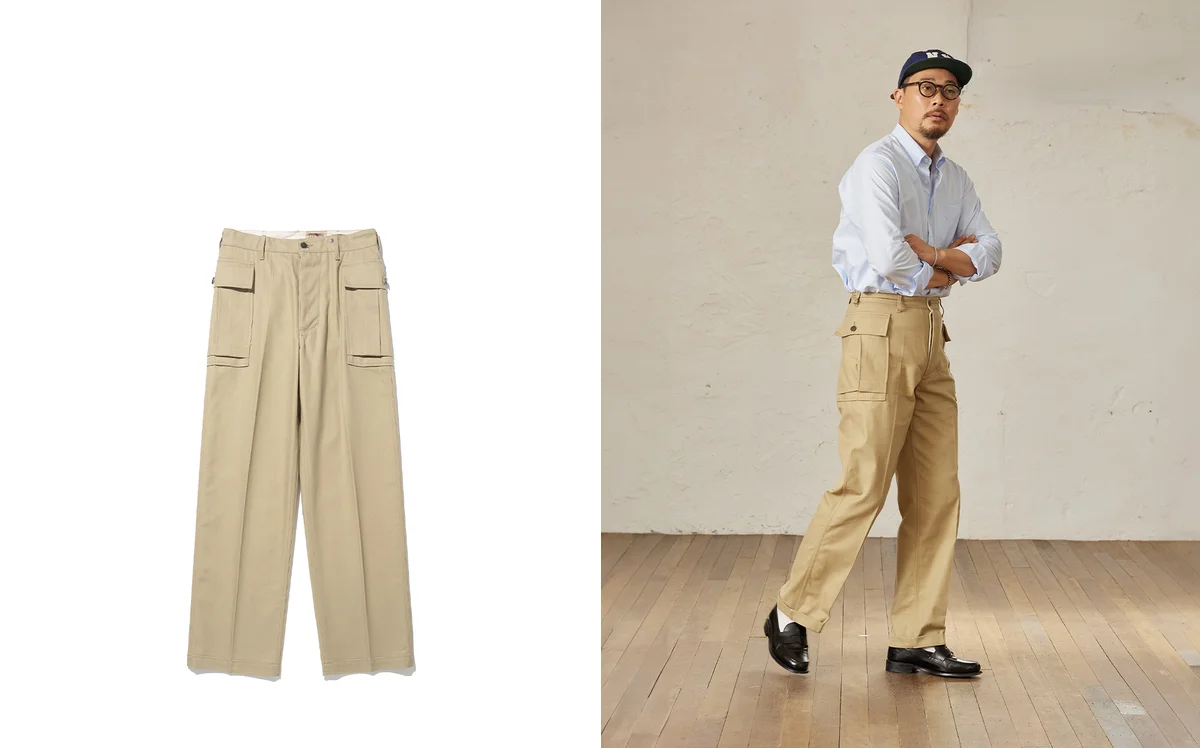
If you’re wearing khaki or stone chinos — the lightest, most classic shades — a tapered fit prevents the leg from looking too wide. Dark navy or olive chinos are more forgiving in a straight fit because the color does some of the slimming work for you.
Own at least two fits if you can. A tapered pair in khaki for everyday. A straight pair in navy for when you want that classic Ivy silhouette. They’re different tools for different jobs.
Getting the Fit Right Without a Tailor
Not everyone has a tailor. Here’s how to self-check fit at home.
Put the chinos on without a belt. Stand in front of a mirror. Pinch the fabric at mid-thigh — you should be able to grab about an inch of excess fabric. Less than that and the fit is too tight. More than two inches and it’s too loose.
Now look at the knee area. When you walk, does the fabric stack and bunch? That means the leg is too long or too wide below the knee. A simple hem or a switch to a tapered cut fixes this instantly.
Sit down. If the waistband digs into your stomach or the seat feels like it’s going to split, size up. Chinos that fit standing but fail sitting are the wrong size — no exceptions.