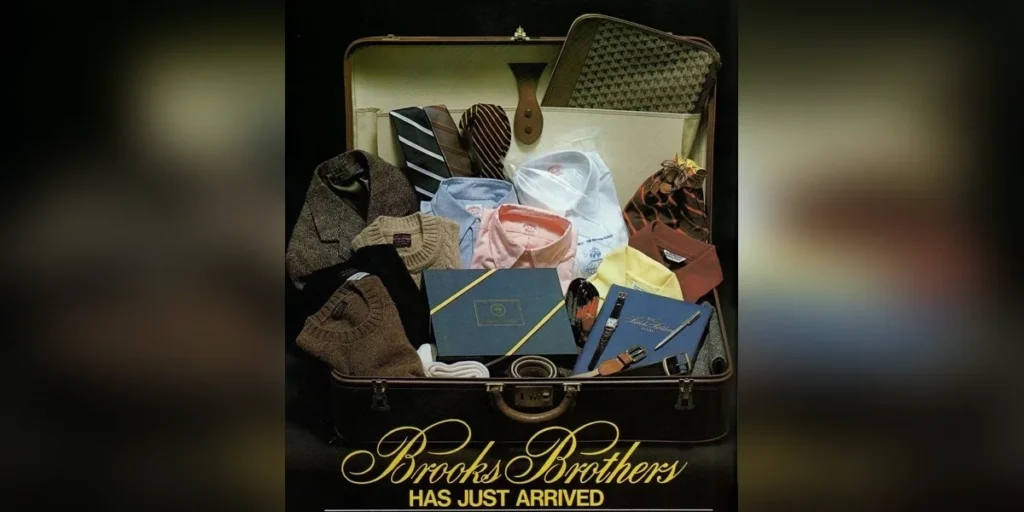
Brooks Brothers History: How America’s Oldest Clothier Built Menswear From 1818
Brooks Brothers history is the deepest root in American menswear — 208 years in continuous operation, started by a 45-year-old Manhattan merchant in 1818. Here is how a dry goods store at the corner of Catherine and Cherry Streets invented American Ivy style, outfitted 40 presidents, and almost disappeared in 2020.
Not the Flashiest American Brand. Just the Oldest.
Ralph Lauren is louder. J.Press is purer. Aimé Leon Dore is cooler. None of them would exist without Brooks Brothers.
Founded on April 7, 1818, Brooks Brothers is the oldest apparel brand in continuous operation in the United States. Two centuries isn’t a marketing claim. It’s the actual width of the gap between when they started and where we are now — long enough to outlast the Civil War, two World Wars, the Great Depression, the 2008 financial crisis, and a 2020 bankruptcy filing.
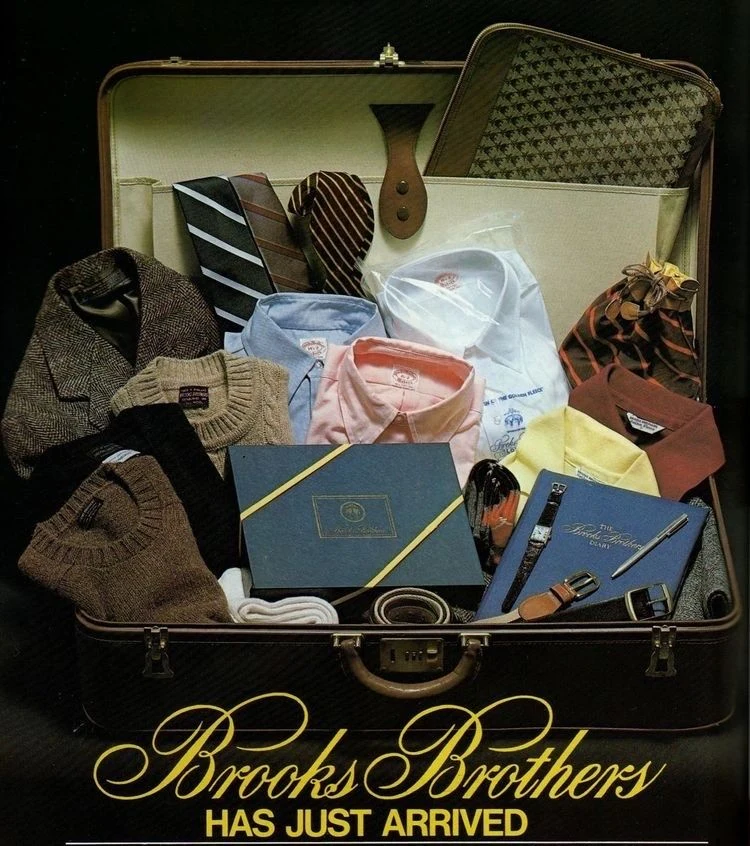
They invented the ready-to-wear suit. They introduced seersucker to the United States. They took a collar they saw on English polo players and put buttons on it in 1896. Every one of those things is still sold under the same Golden Fleece today. That is the entire point of Brooks Brothers history — and why it matters for anyone who cares about clothes that don’t expire.
1818, Manhattan: Henry Sands Brooks Opens a Dry Goods Store
Henry Sands Brooks was 45 years old when he opened H. & D. H. Brooks & Co. at the northeast corner of Catherine and Cherry Streets in lower Manhattan. This was 1818 — James Monroe was president, Ulysses S. Grant hadn’t been born yet, and the Erie Canal was still seven years from opening.
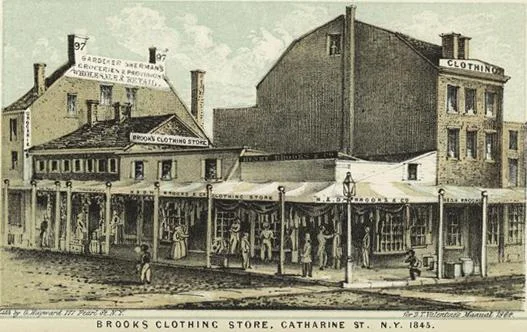
Brooks wasn’t a tailor in the European guild sense. He was a merchant. His store sold fabric, ready-made coats, accessories — what the era called “dry goods.” But he hung his entire business on one principle, which he wrote out himself: “To make and deal only in merchandise of the finest body, to sell it at a fair profit, and to deal with people who seek and appreciate such merchandise.”
That last clause matters. Brooks was explicit about who he wasn’t selling to. This was a business built on standards, not scale.
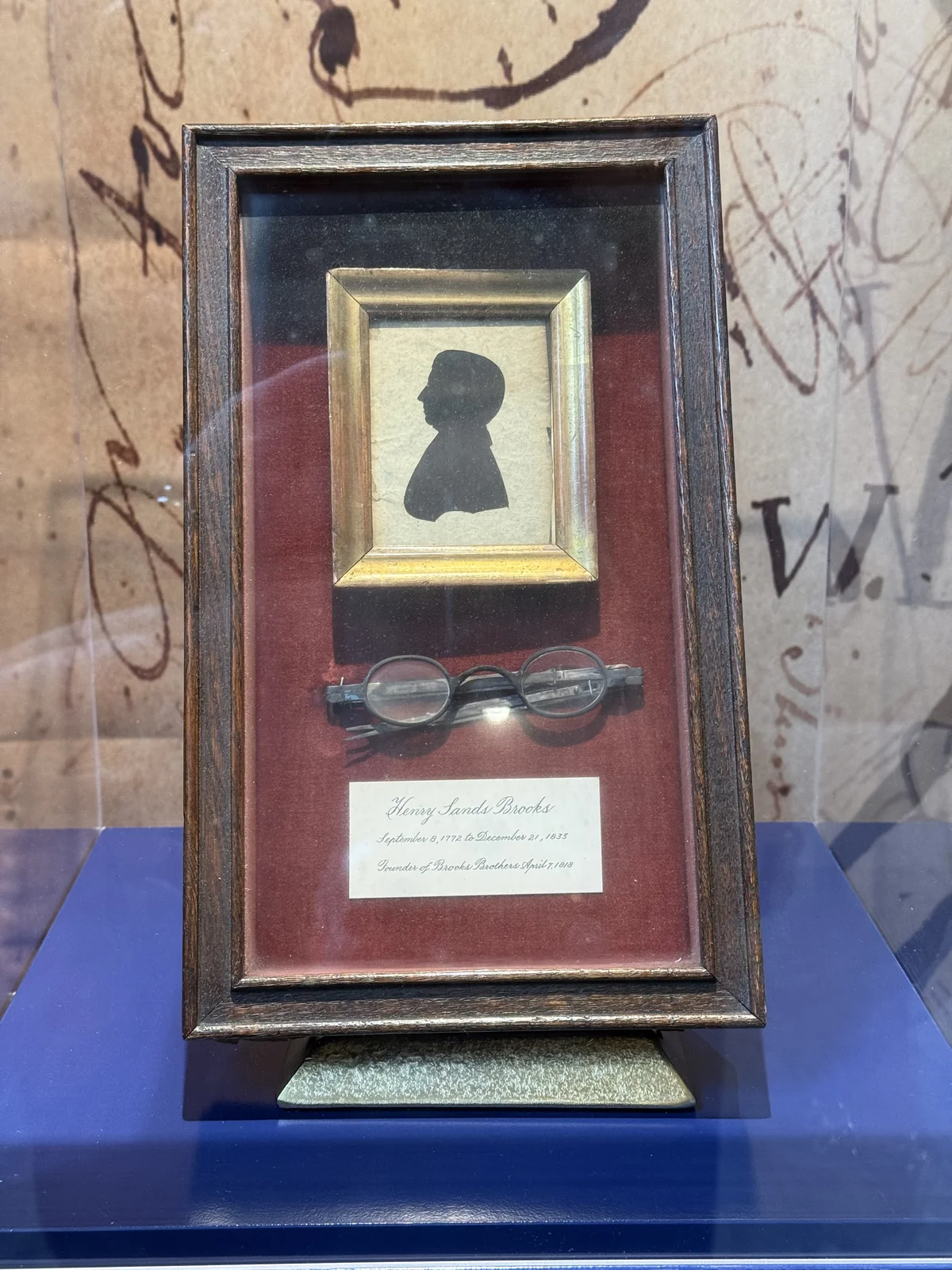
When Henry died in 1833, his eldest son Henry Jr. took over and kept running the shop under its original name. When Henry Jr. died in 1850, his four younger brothers — Daniel, John, Elisha, and Edward — inherited the family business and renamed it Brooks Brothers. The same year, they adopted the Golden Fleece as their trademark. The symbol — a sheep suspended from a ribbon — originally belonged to the 15th-century Order of the Golden Fleece, a Burgundian chivalric order for nobility founded in 1430 by Philip III, Duke of Burgundy, known as Philip the Good. European wool merchants later took the symbol as their own mark of quality, and Brooks Brothers in turn took it from them to signal membership in that sartorial tradition.
Three Innovations That Rewrote American Menswear
Brooks Brothers history matters because of three specific things they introduced — each of which is still sold in every Brooks Brothers store today, essentially unchanged.
1896 — The Idea. 1900 — The Shirt. John E. Brooks, Henry’s grandson, attended a polo match in England in 1896 and noticed the players had pinned their shirt collars down with small buttons to keep them from flapping in the wind. It took four years to productize. In 1900 Brooks Brothers launched what they called the Original Polo Button-Down Oxford — a dress shirt with the collar tips buttoned to the body. The brand celebrated the 125th anniversary of the shirt in 2025, which tells you the official launch year. One hundred and twenty-five years later, the OCBD (Oxford Cloth Button-Down) is the single most imitated item in men’s clothing. The Museum of Modern Art included it in its 2017 exhibition “Is Fashion Modern?” — one of 111 items that changed the world.
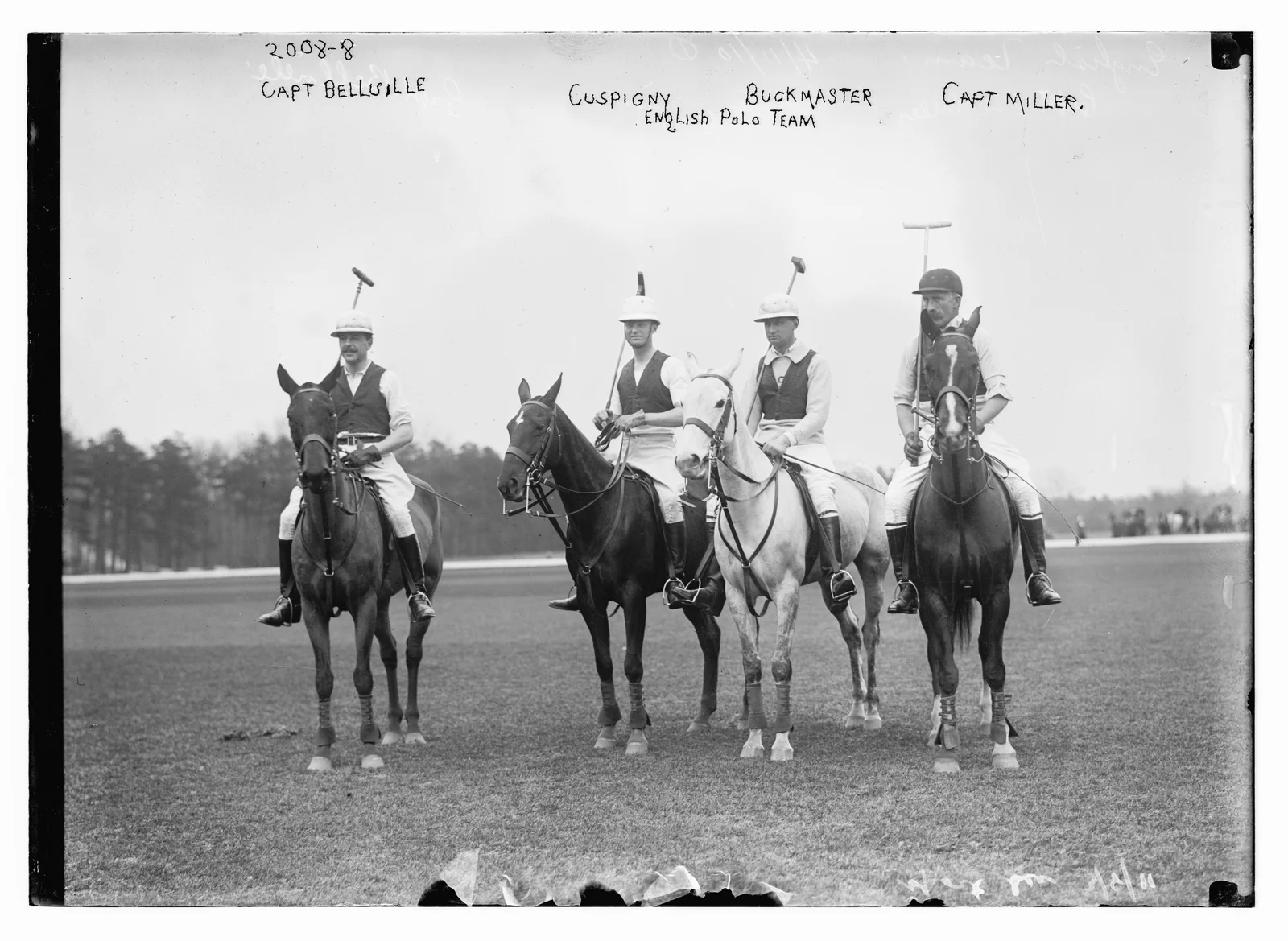
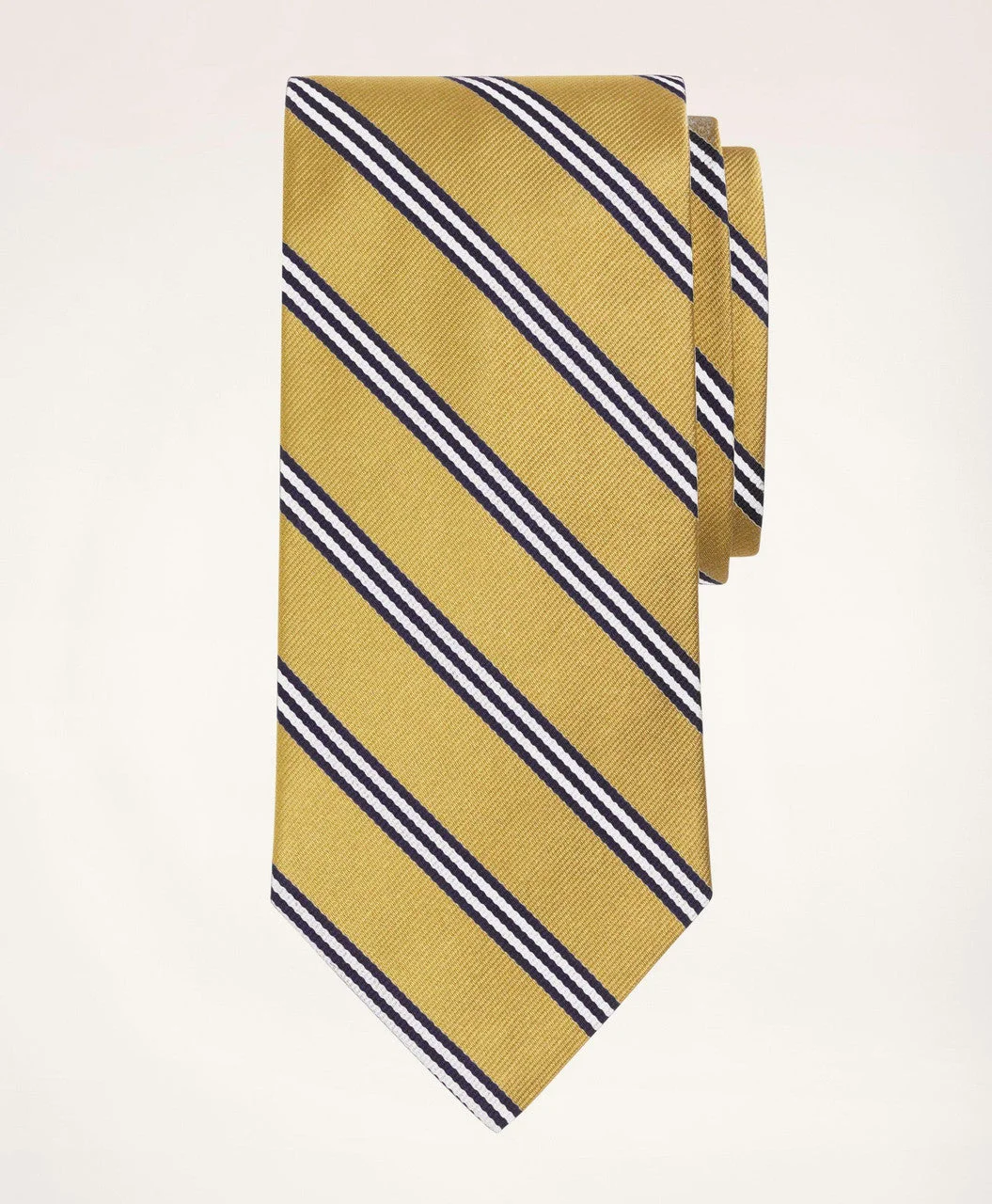
1901 — The Number One Sack Suit. A three-button jacket with a 3/2 roll lapel (three buttons stitched on, but the lapel rolls past the top one to show only two), natural shoulders, an undarted front, and a straight silhouette — paired with trousers cut from the same cloth. Brooks introduced it as an off-the-rack suit for American men who didn’t want European structure. Every Ivy brand that came after — J.Press, The Andover Shop, O’Connell’s — traces its sack pattern back to this Brooks template.
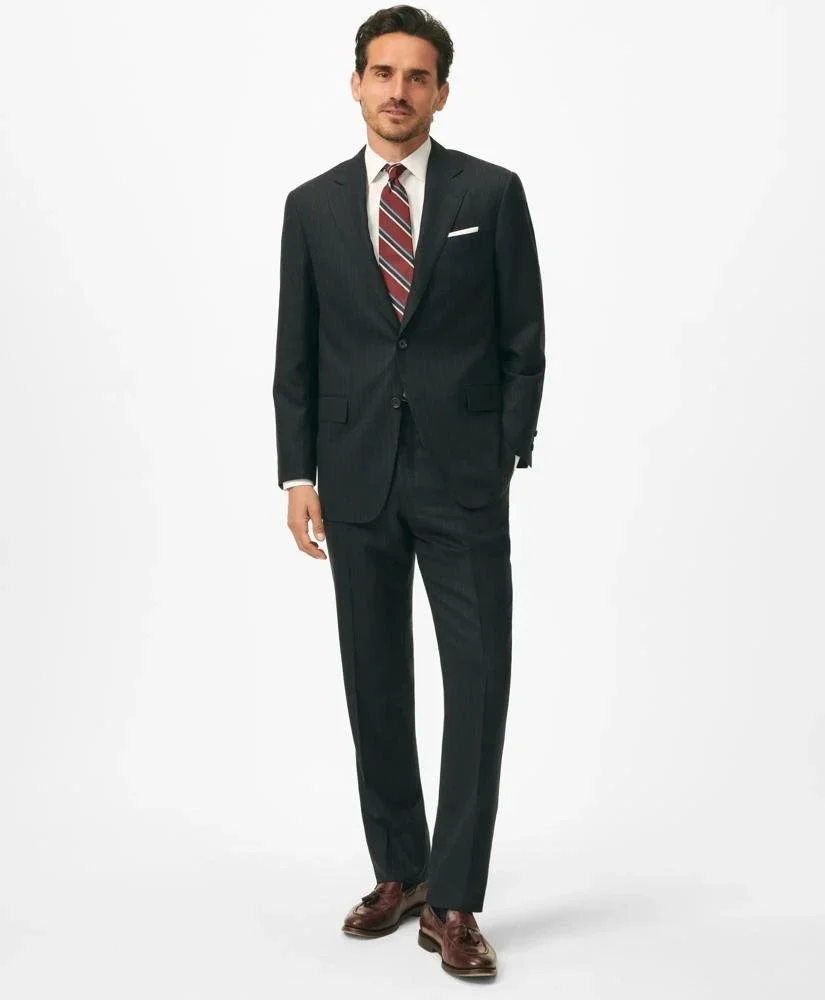
1902 — The Rep Tie. Brooks Brothers took the British regimental stripe and reversed the direction — British stripes go down from left shoulder, American stripes from right. Silk repp weave, specific stripe combinations, and a width that stayed consistent for a century. Worn by every American lawyer, politician, and banker who wanted to signal credibility without saying anything. (For the British answer to the same garment — the 1977 founding that put English madder and repp back on the menswear map — see our Drake’s of London history.)
The Presidential Tailor
Here is the thing about being in business for 208 years: you end up dressing a lot of presidents.
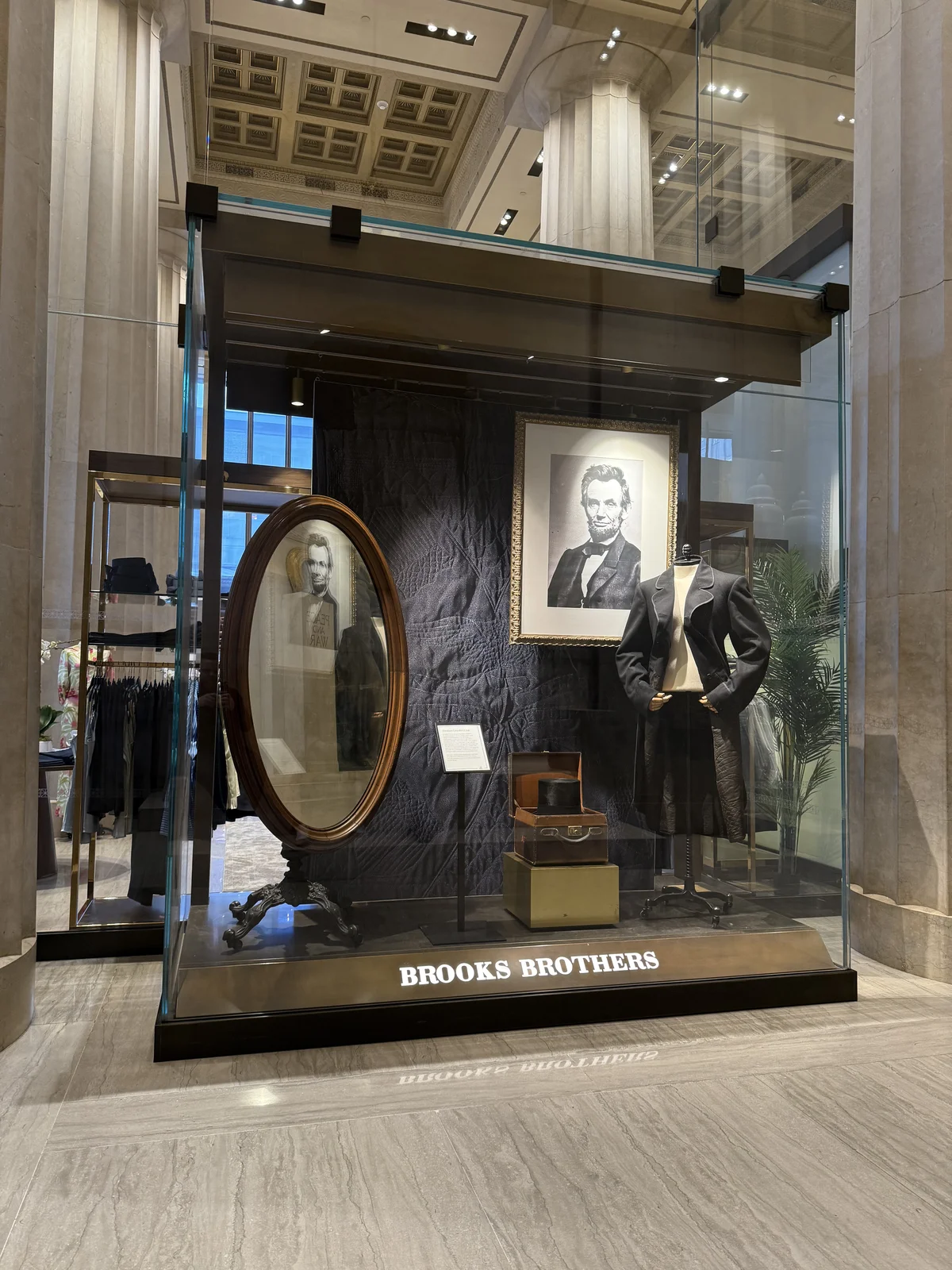
Abraham Lincoln was a loyal customer. For his second inauguration in March 1865, Brooks Brothers cut him a specific coat — black wool, quilted silk lining, and an eagle with an inscription embroidered inside: “One Country, One Destiny.” It was a gift from the brand to a president steering the end of the Civil War. He was wearing it, along with a Brooks Brothers suit, at Ford’s Theatre six weeks later when John Wilkes Booth shot him.
He’s not the only one. Brooks Brothers has clothed approximately 40 U.S. presidents — Grant, Harrison, Theodore Roosevelt, Taft, Wilson, Coolidge, FDR, Kennedy, Nixon, Clinton, Obama. When a single brand outfits that many heads of state over 200 years, it stops being a clothing company and becomes civic infrastructure.
2020: The Brand Almost Died
In July 2020, four months into the pandemic, Brooks Brothers filed for Chapter 11 bankruptcy. Physical retail collapsed, office wear stopped being relevant for anyone working from home, and the brand that had survived two centuries couldn’t survive a year of empty stores.
Before the bankruptcy filing, the Del Vecchio-era management had already announced the closure of all three of the company’s U.S. factories — the Garland shirt factory in North Carolina, the Southwick tailored clothing plant in Haverhill, Massachusetts, and the necktie factory in Long Island City, New York. The plants closed on July 20, 2020 — twelve days after the Chapter 11 filing. The acquisition by SPARC Group (Authentic Brands Group and Simon Property Group) for $325 million closed in September, by which point Brooks Brothers was effectively a licensing operation rather than a vertically integrated manufacturer.
This is the hard part of Brooks Brothers history. The company survived, but not every piece of it did. What’s left is the name, the product architecture, and the retail presence — not the full craft infrastructure. For older Ivy customers, this was the moment the brand became a ghost of itself. For newer customers, it’s still the only place you can buy an OCBD, a sack suit, and a rep tie under the same Golden Fleece. The Garland factory has since been acquired by a new owner and restarted production of Brooks Brothers OCBDs — one small thread of the original supply chain stitched back in.
Why Brooks Brothers Still Matters in 2026
Despite the 2020 trauma, they kept making the core products. Walk into any Brooks Brothers store today and you can buy the Original Polo Button-Down Oxford, the Number One Sack Suit, and a rep tie. The quality is down from the Southwick era. The cuts have been slimmed and re-slimmed. But the vocabulary is intact.
If you want to understand why American men dressed the way they did from 1900 to 2000 — why the lawyer in Chicago and the professor at Harvard and the banker in New York wore slight variations of the same thing — Brooks Brothers history is the answer. They set the template. Everyone else either copied it, rejected it, or both.
That’s what 208 years buys you. Not fashion, not novelty. A vocabulary of garments that other people have to reckon with whether they want to or not.
In Seoul: The OCBD and the Sack Suit Continue
Brooks Brothers has a Seoul presence — a Cheongdam flagship, a counter at Lotte Main, outposts in Busan, and an outlet at Gijang. But the stores today operate under SPARC Group’s license, and the modern catalog isn’t built around the 1900 Original Polo Button-Down or the 1901 Number One Sack Suit with the fidelity those garments deserve. The hanger-appeal of the 2026 showroom and the architectural specifics of the founding archetypes are two different conversations.
The two garments that define Brooks Brothers history — the Original Polo Button-Down Oxford and the Number One Sack Suit — are made in Seoul today by Renacts. Not as a tribute, not as a costume. Built to the same specifications the 1900 Brooks Brothers factory would have recognised: unlined collar with roll, 3/2 lapel, natural shoulder, undarted body.
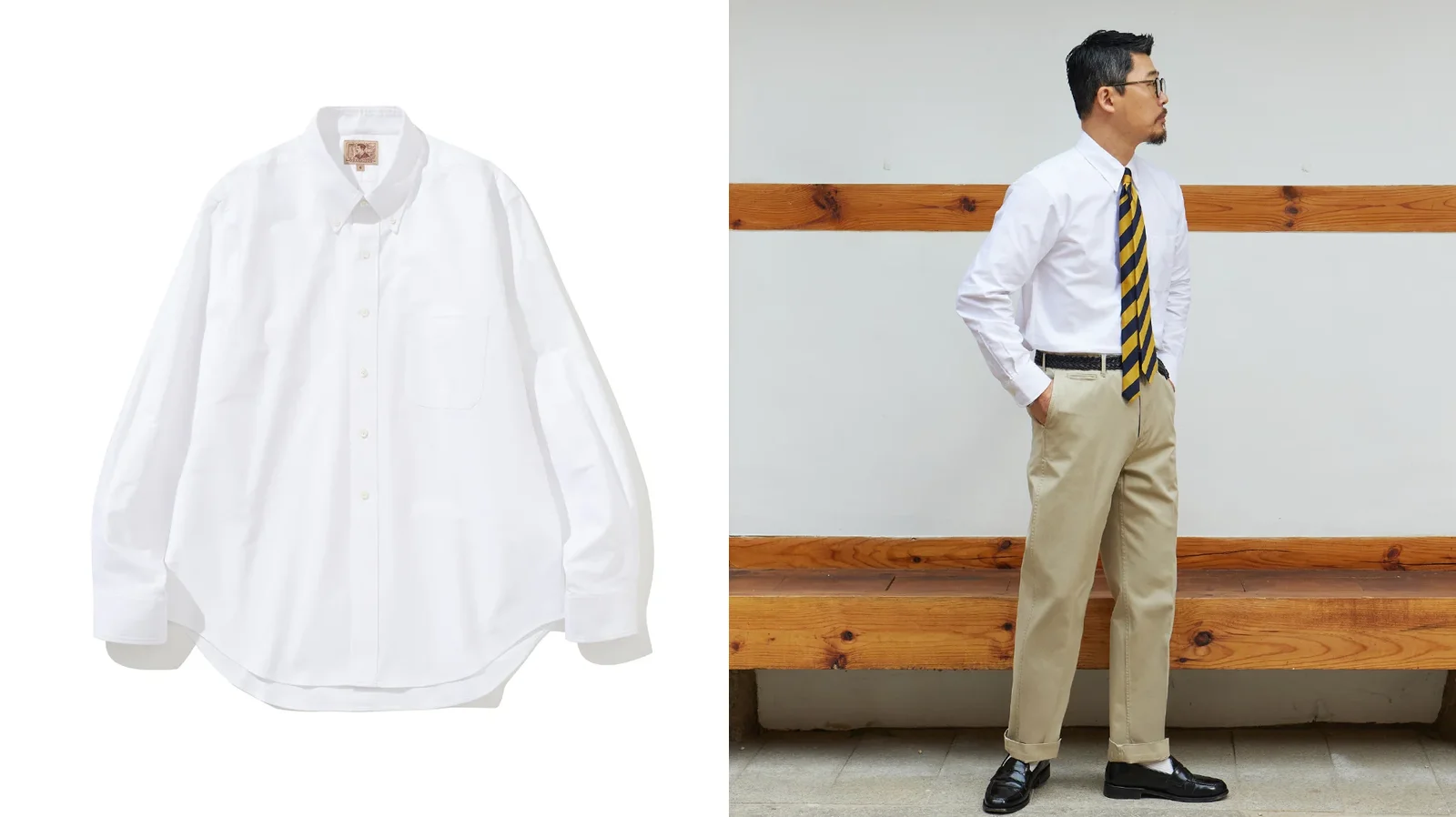
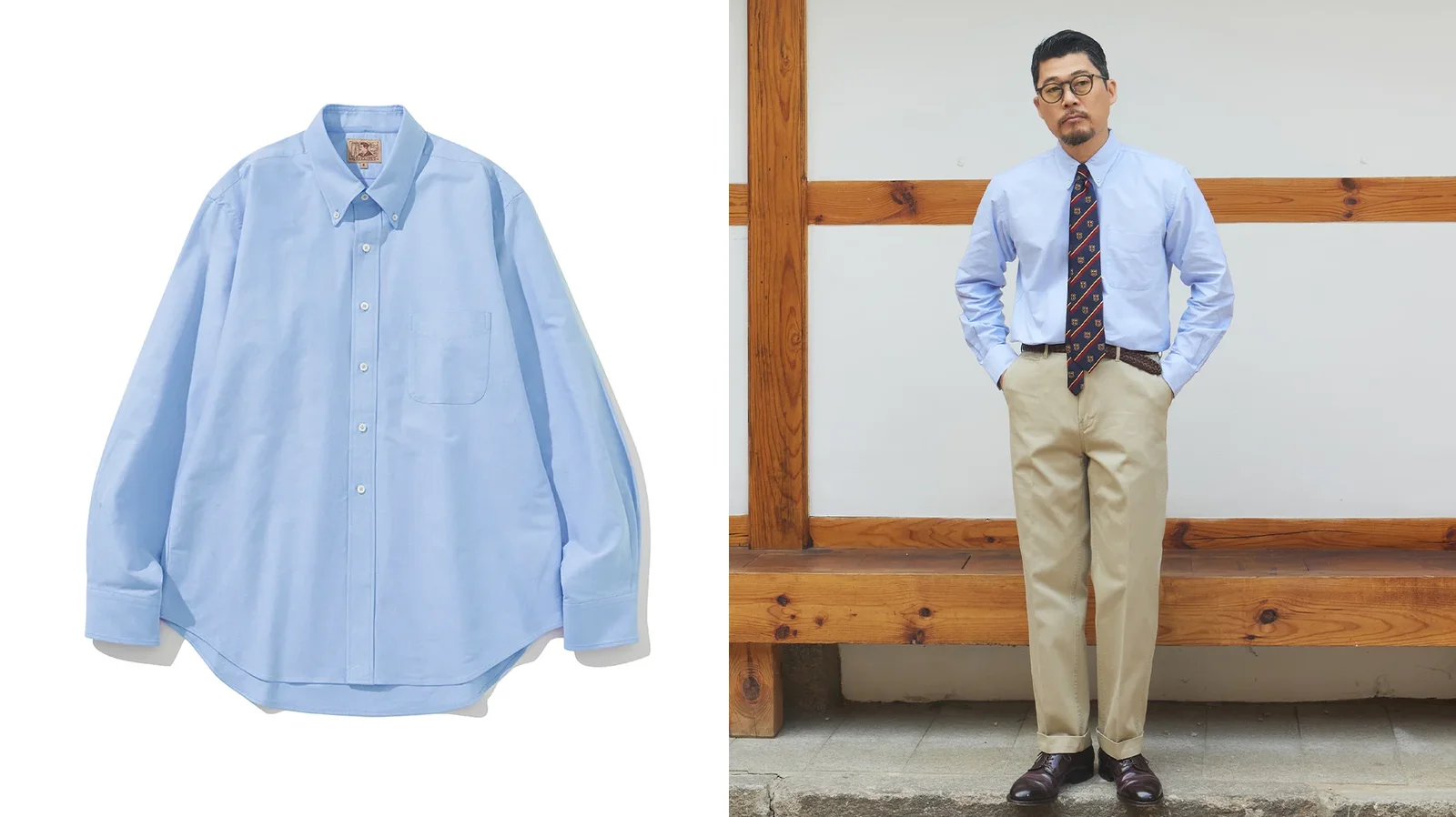
The Renacts Ivy OCBD Shirt follows the architecture Brooks Brothers introduced in 1900: unlined button-down collar, front placket, pocket on the chest, box pleat in the back, single-needle side seams. The fabric is oxford cloth — the same basket-weave Brooks popularized in the American market. It comes in white and in oxford blue. Those are the two colors worth owning.
The sack suit side of the lineage goes through the Renacts Wool Sack Cut Blazer and its matching Wool Piped Stem Trousers. Paired together, it is a direct inheritor of the 1901 Number One Sack Suit silhouette: three-button front with 3/2 roll, natural shoulder, undarted body, straight trouser line from knee to hem. The team wears it themselves — both versions of it.
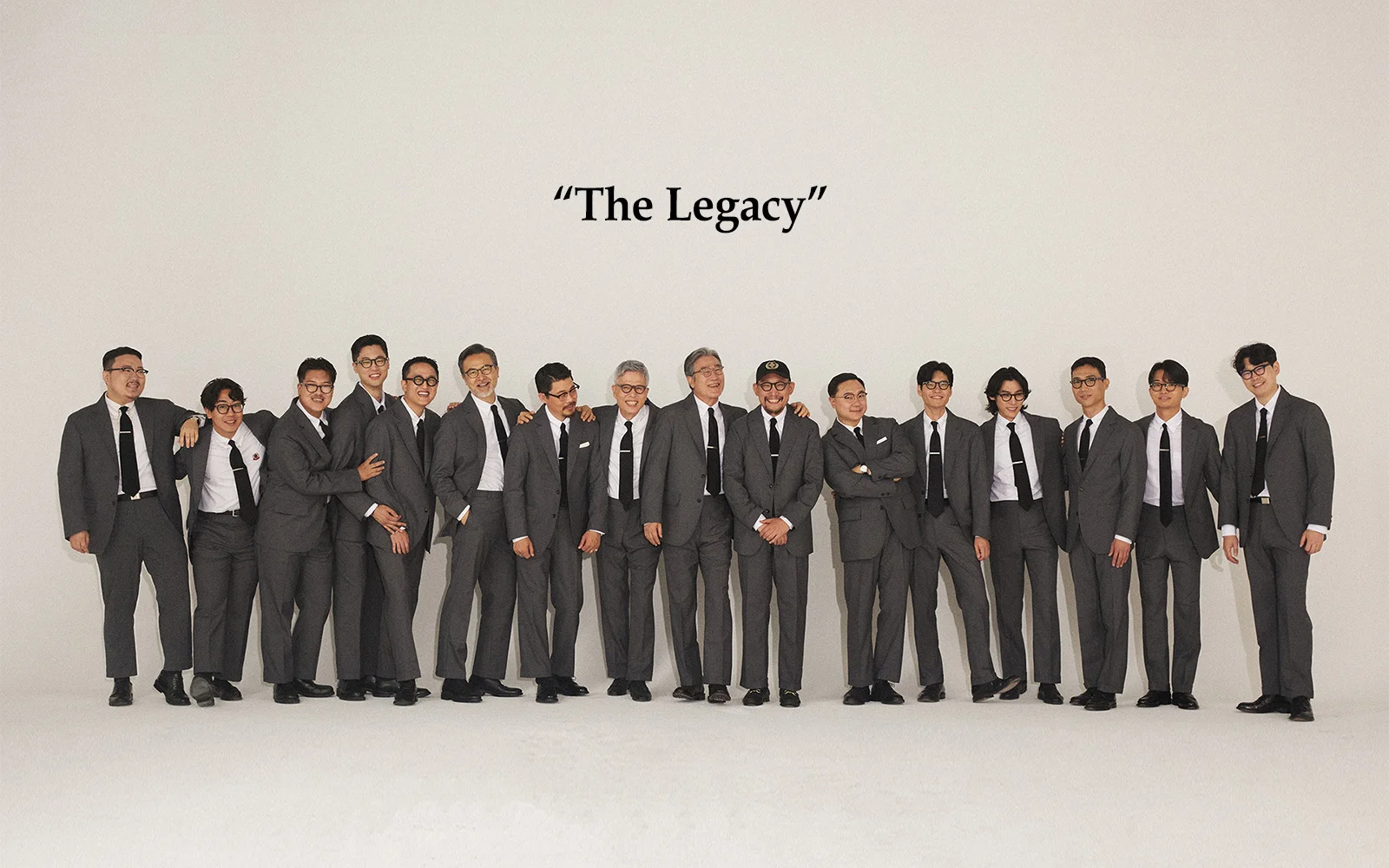
The grey suit is the quiet workhorse — structurally identical to the 1901 cut but in a colour that is easier to commute in and harder to stain. Sixteen members of the Renacts team wore it together for the “Legacy” editorial, photographed against a neutral wall, with black ties. No styling tricks. The cut does the work.
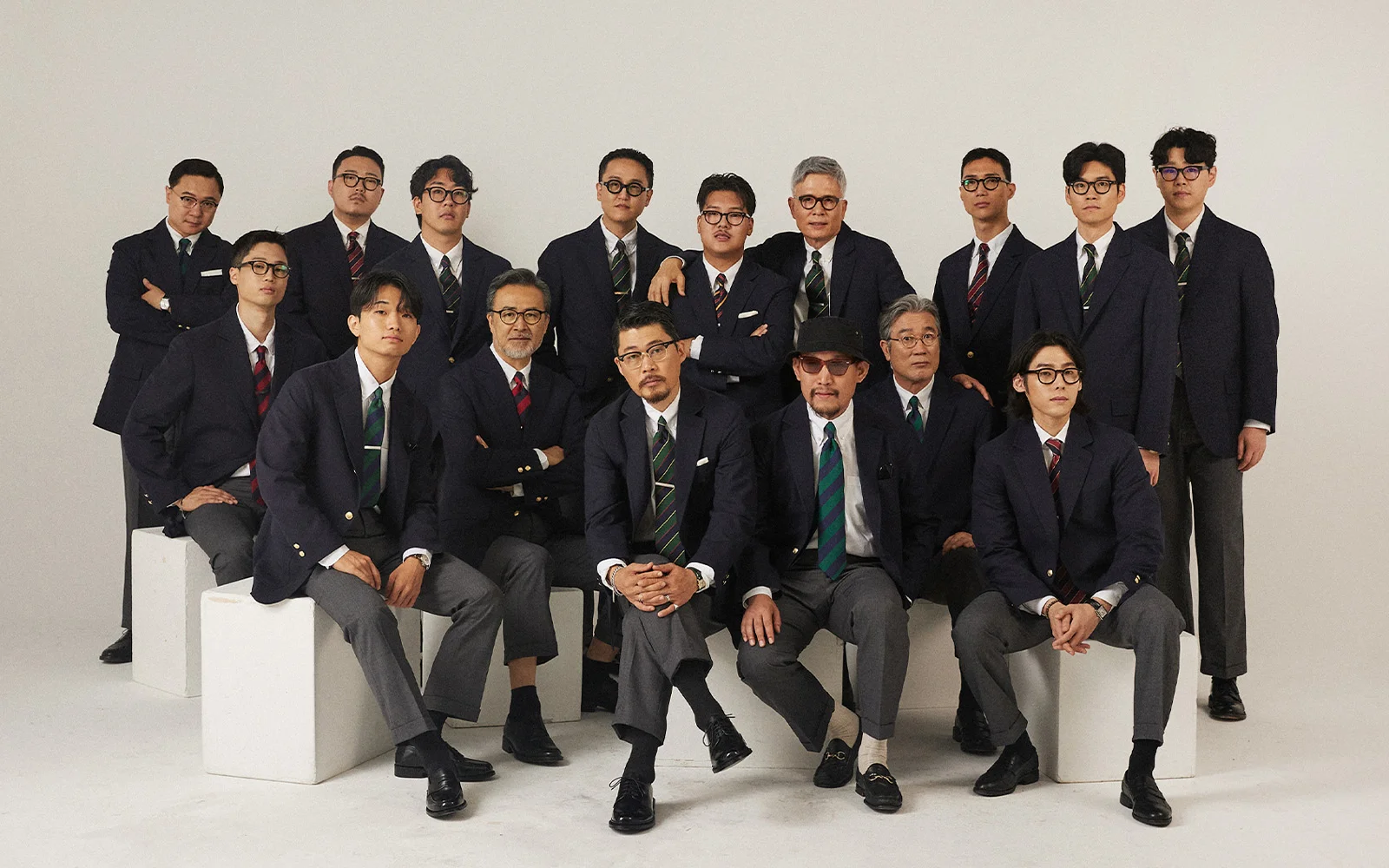
Swap grey suit for navy blazer and grey trousers, swap the black tie for a regimental rep, and you have the other half of the Brooks Brothers canon. Same team, same cut, different colour code. This is the configuration a 1955 Yale senior would wear to class, a 1965 Wall Street banker to a client lunch, and a 2026 Renacts customer in Seoul — with essentially no edits.
We aren’t claiming Renacts invented any of this. We’re claiming the opposite. The OCBD is 126 years old, the sack suit is 125, and both are finished designs — the only thing left to do is make them correctly. If you want to try either in person, they are stocked at Gentlemens House in Yeonhui-dong, Seoul. The shirt John E. Brooks saw on a polo field in 1896 and the sack suit Brooks Brothers put in their 1901 catalog are still being made — in a Seoul atelier, by people who know exactly what they are.
The button-down half of that archive is the part we make here, as a white Ivy OCBD.