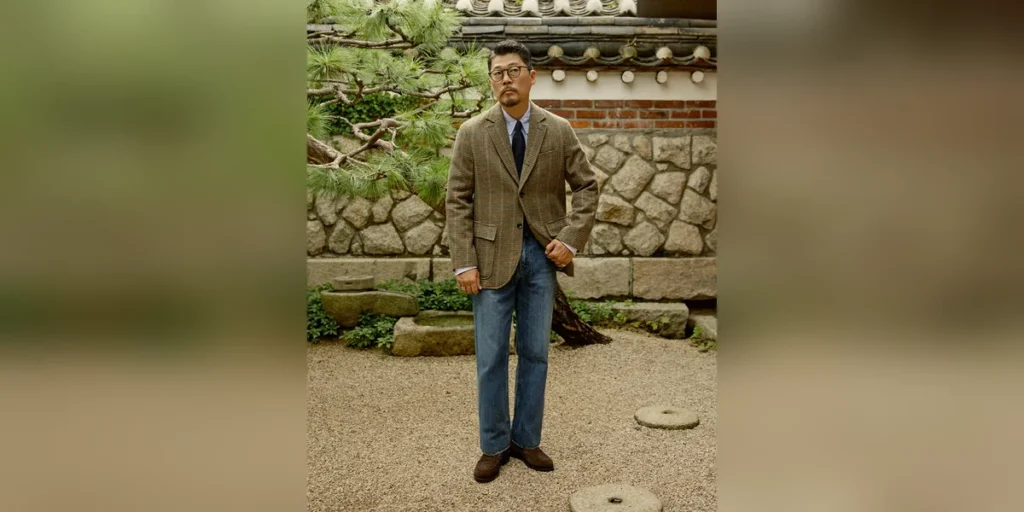
How to Style a Blazer Casually: 5 Outfit Formulas Men Actually Wear in 2026
Key takeaways
- Wearing a blazer casually means pairing a structured jacket with deliberately unstructured pieces — tee, oxford, sweater, even shorts — to read intentional, not formal.
- The 5 formulas that actually work: blazer + white tee + jeans · blazer + oxford button-down + chinos · blazer + crewneck sweater · blazer + tailored shorts · blazer + sweatshirt + chinos.
- Three rules that hold every casual blazer outfit together: keep the blazer soft-shouldered, match shoe formality to the bottom half, and skip the tie unless it’s a knit.
How to style a blazer casually — or, as it’s phrased just as often, how to wear a blazer casually — is the most-asked question in modern menswear, and the answer is shorter than guys assume: a blazer becomes casual the moment everything else around it stops trying. Most men own a blazer they only wear to weddings — it hangs in the closet for eleven months, comes out once, goes back in. That’s criminal waste of one of menswear’s most versatile pieces. Here are the five outfit formulas Seoul Trad customers actually wear, and the three rules that make them all work.
If you want to understand what makes a blazer good for casual wear — shoulders, construction, fabric — our navy blazer essentials guide covers it all.
What follows are the five outfit formulas our customers in Seoul actually wear during a normal week — not editorial fantasy, not weddings, not job interviews — plus the three rules that hold every casual blazer outfit together.
Why a Casual Blazer Works for Any Occasion
Here’s the thing about blazers: they weren’t formal to begin with. The original navy blazer was a club jacket — something rowers at Oxford wore to mess around in after practice. It became campus wear in the American Ivy League, thrown over t-shirts and worn to Saturday football games.
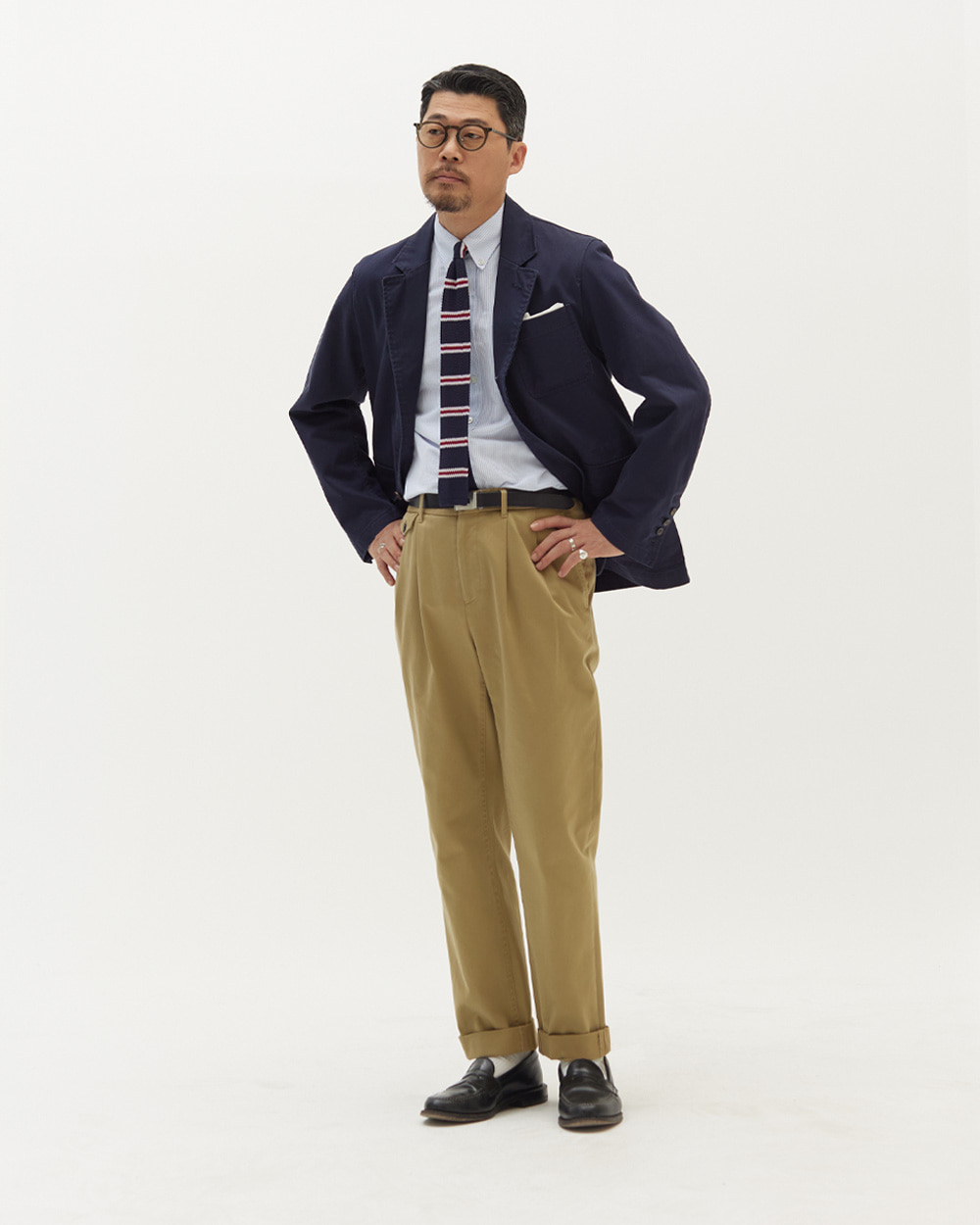
The blazer only became “formal” because offices hijacked it. Strip away that corporate baggage and you’ve got a structured layer that does what a hoodie does — keeps you warm, finishes an outfit — but looks infinitely sharper.
The key to wearing one casually? Avoid anything that drags it back toward the boardroom. No matching trousers. No pointy dress shoes. No silk pocket squares folded into origami. Keep it relaxed, and the blazer does all the heavy lifting.
Outfit 1: Blazer, White Shirt, and Jeans
The holy grail of menswear formulas. A white shirt worn open at the collar, honest washed denim, and a soft cotton blazer. That’s it. Don’t overthink it.
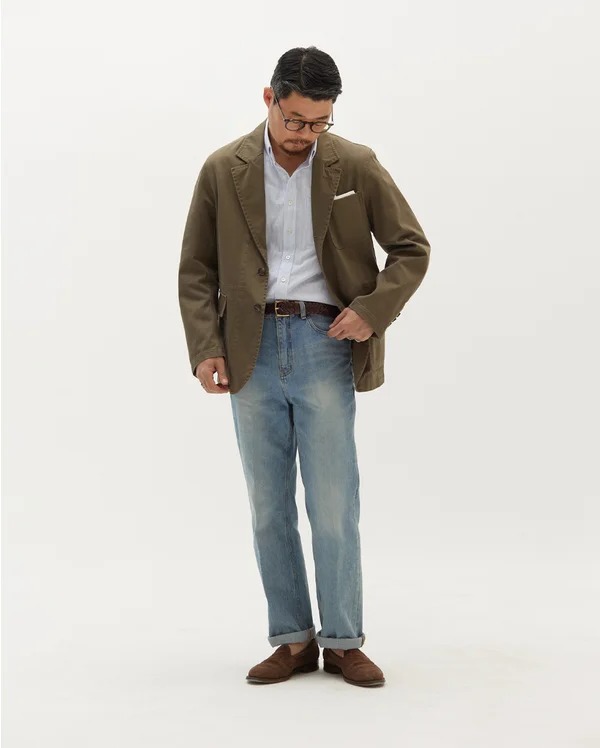
This works because the blazer provides all the structure you need. The open collar and washed denim keep it miles away from office territory. Footwear is crucial — suede loafers or clean white leather sneakers, never cap-toe oxfords. And in high summer, swap the shirt for a plain white crew-neck tee: same formula, one notch more relaxed.
One non-negotiable: make sure the blazer’s shoulders are soft, not heavily padded. A natural shoulder sits perfectly over an open collar or a tee. Those structured Italian shoulders designed for dress shirts? They’ll make you look like you’re playing dress-up. Our complete blazer guide breaks down shoulders and construction if you want the full story.
Outfit 2: Blazer Over an Oxford Button-Down with Chinos
This is the Ivy League uniform, and honestly, it’s lasted since the 1950s because it’s bulletproof. An OCBD in white or blue, khaki chinos, and a blazer on top. Penny loafers if you want to go full trad. Sneakers if you don’t.
The button-down collar is everything here. A spread collar or cutaway collar under a casual blazer screams “I forgot my tie.” The soft roll of a button-down collar fills that space naturally without looking incomplete. Add a knit tie if you like — it’s the one tie that keeps this outfit casual.
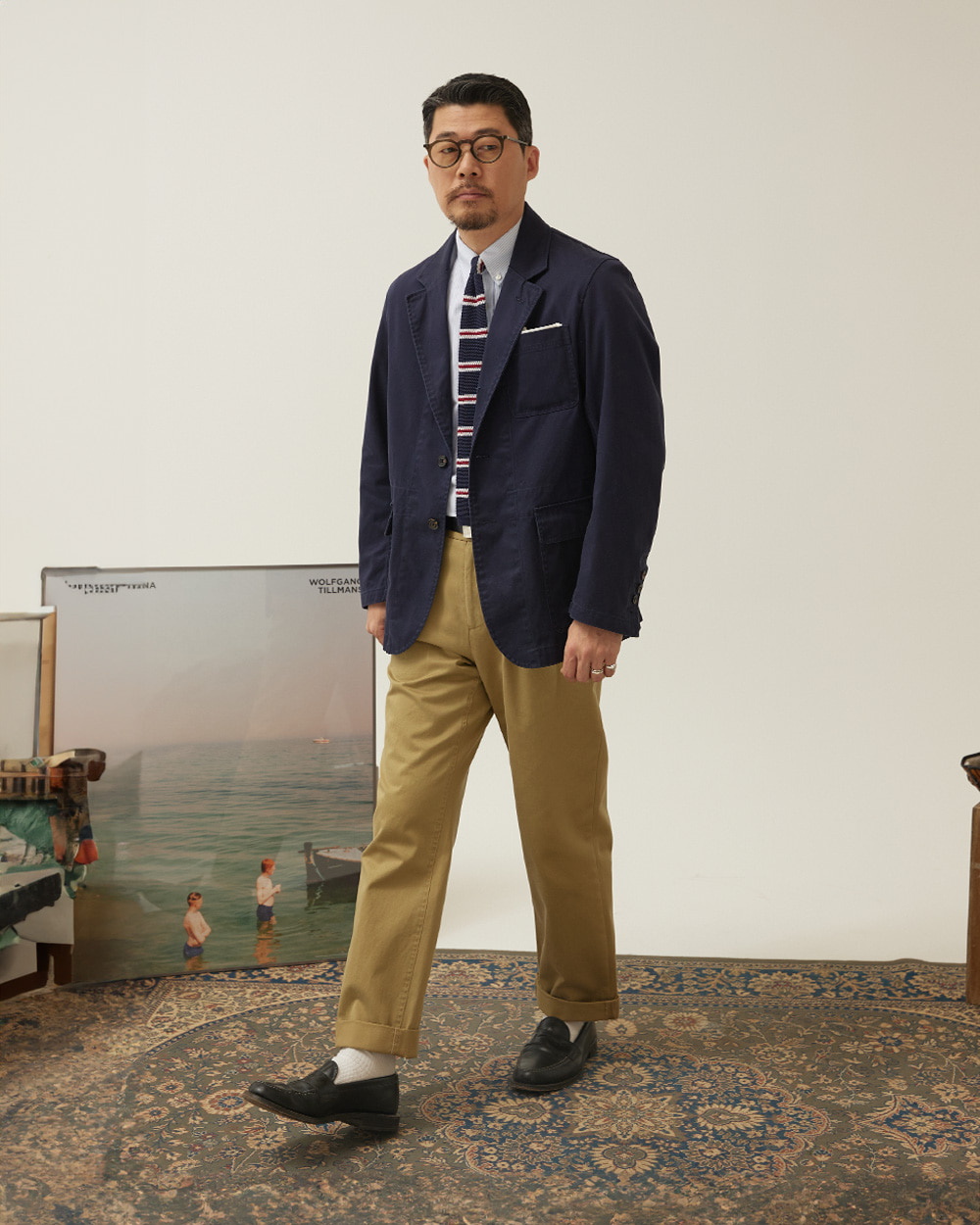
In Seoul, this combination crushes almost everything — a weekend lunch in Seongsu-dong, a gallery opening in Hannam, or just running errands when you want to look effortlessly put together. There’s a reason this outfit has survived seven decades of fashion trends.
Building it from nothing, in order: a grey sack-cut blazer, a white OCBD, light beige chinos. Three pieces, and the rest is shoes.
Outfit 3: Blazer with a Crewneck Sweater
Layering a crewneck sweater under a blazer is one of the best cold-weather moves you can make. The sweater adds warmth without bulk, and the crew neckline gives you a clean, closed look at the chest — no shirt collar needed, though you can add one underneath.
Color-wise, keep it simple. Navy blazer over a grey Shetland sweater is the classic. Cream or oatmeal works too. Or run it in reverse — a grey herringbone jacket over a navy knit plays the same trick. Avoid bright colors unless you really know what you’re doing.
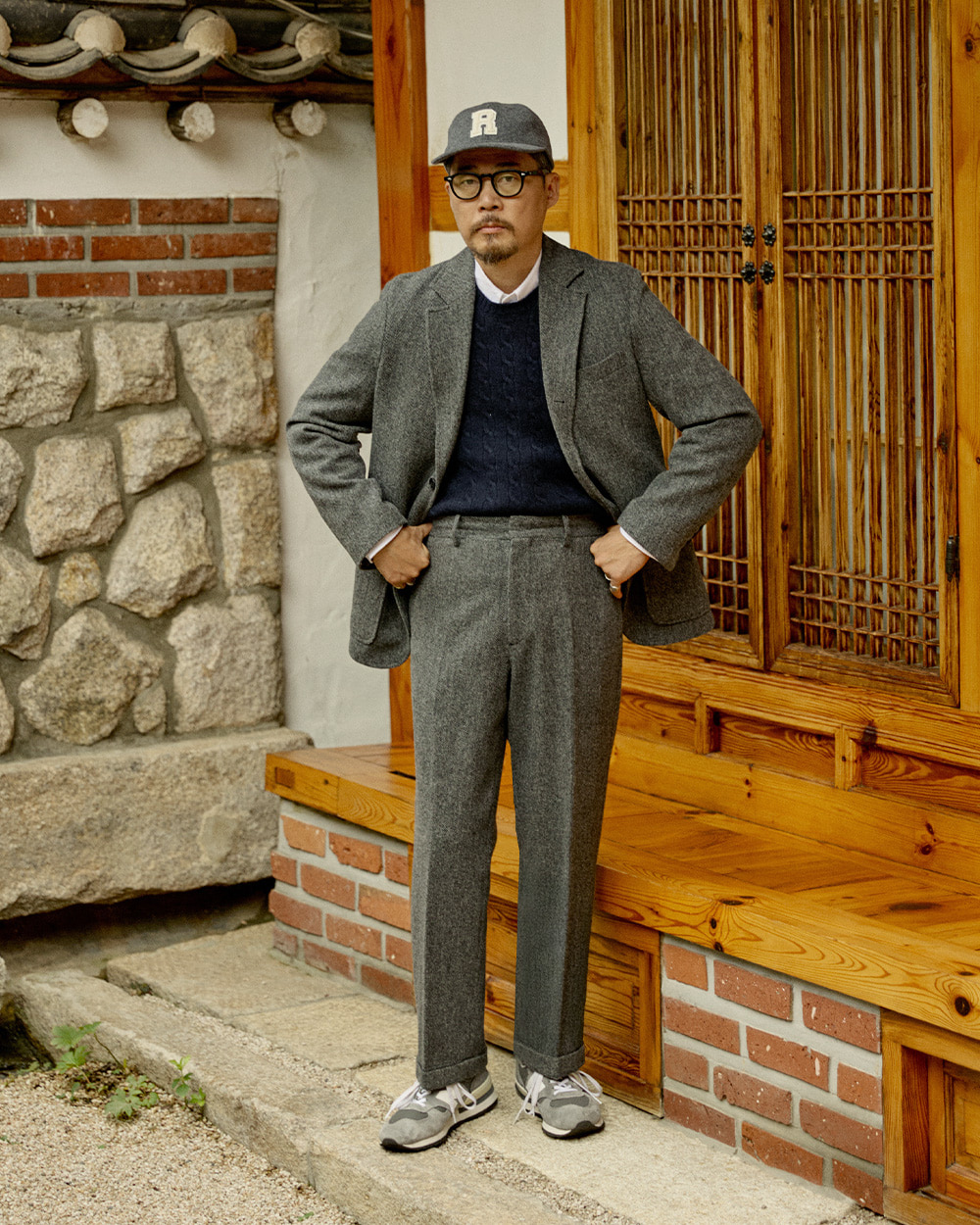
Fit is everything here. The sweater needs to be slim enough to layer under a blazer without making you look stuffed, and the blazer needs enough room in the chest to accommodate a layer underneath without pulling at the button. If both pieces fit well, this looks effortless. If either is off, it looks uncomfortable.
Outfit 4: Blazer and Shorts for Summer
Controversial? Maybe. But in a Seoul summer where it hits 35°C with 80% humidity, nobody’s wearing a blazer over full-length trousers unless they’re heading into an air-conditioned office.
The move is tailored shorts — not gym shorts, not cargo shorts — in khaki or navy, a linen or cotton blazer in a lighter shade, and loafers without socks. A madras jacket earns bonus points in high summer. Keep the blazer unstructured. Half-lined at most. You want it to feel like a shirt jacket, not armor.
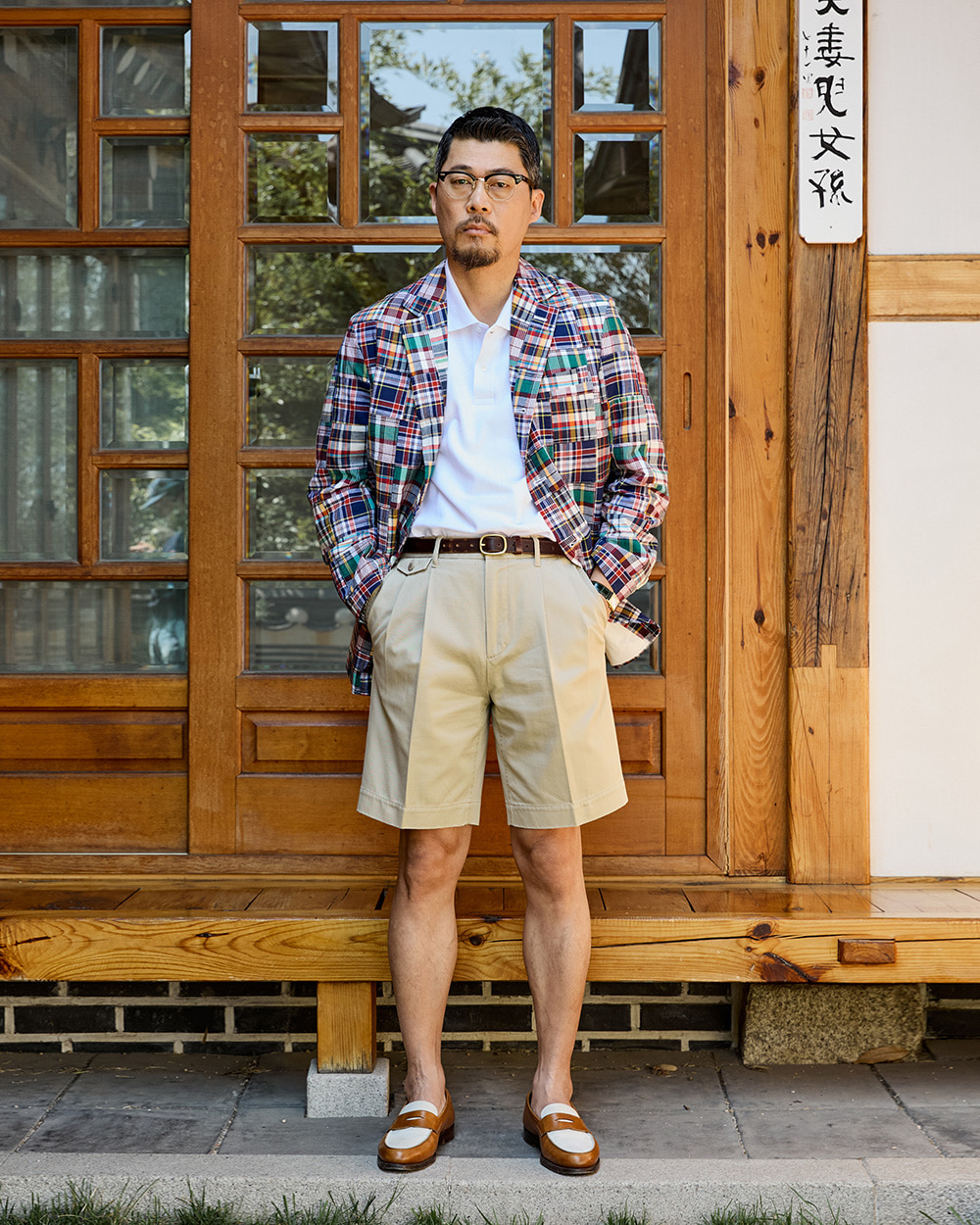
This outfit only works if the proportions are right. Shorts should hit just above the knee, and the blazer should be on the shorter side. If it covers your entire hip, it’ll look like you forgot your pants.
Outfit 5: Blazer with a Sweatshirt and Chinos
A sweatshirt under a blazer sounds like it shouldn’t work. It does — and it’s one of the most comfortable ways to wear a blazer outside of an office.

The idea is simple: take the soft, relaxed feel of a sweatshirt and give it some structure with a blazer on top. You get the warmth and ease of loungewear with a silhouette that actually looks intentional. This is a Heavy Ivy move — mixing athletic and tailored pieces in a way that respects both without overthinking it.
The color combination that works best is a navy blazer over a heather grey sweatshirt with khaki chinos. It’s classic for a reason. The grey sits cleanly between the navy and khaki, and the whole thing reads as effortless rather than forced. Keep the sweatshirt crew-neck and mid-weight — nothing oversized or logo-heavy.
For shoes, loafers are the natural choice. They bridge the gap between the sweatshirt’s casualness and the blazer’s structure. A pair of derbies works too if you want something with a bit more heft. Avoid sneakers here — they tip the balance too far toward athletic and the blazer starts to look out of place.
Fit matters. The sweatshirt should be trim enough to sit under the blazer without bunching at the waist, and the blazer needs a natural shoulder and enough room in the body to drape over the extra layer without pulling. If the blazer fits well over the sweatshirt, the whole outfit looks like one coherent decision rather than two separate wardrobes colliding.
Three Rules That Apply to Every Outfit
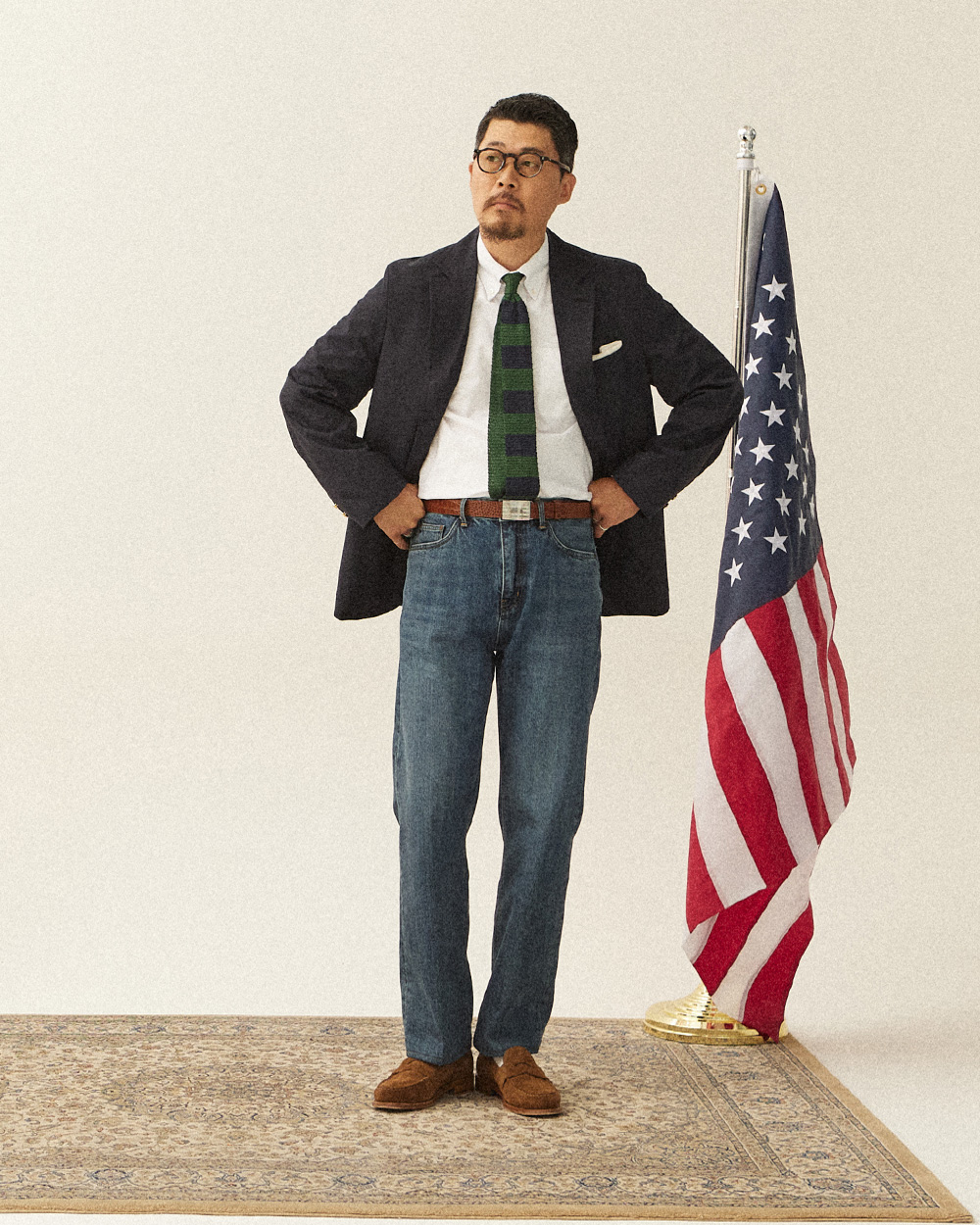
Regardless of which combination you choose, three things matter every time you wear a blazer casually.
First, unbutton when you sit down. Always. A fastened blazer while seated pulls at the chest and creases the front. Undo the button the moment you sit, fasten it when you stand. This is non-negotiable.
Second, match the formality of your shoes to the outfit, not the blazer. The blazer is the dressiest piece in every casual outfit above. Your shoes should match the other pieces. Jeans and a tee? Sneakers. Chinos and an OCBD? Loafers. Shorts? Espadrilles or minimal sneakers. Don’t let dress shoes pull the blazer back into office mode.
Third, fit trumps everything. A perfectly chosen outfit with a poorly fitting blazer looks worse than a basic tee-and-jeans with a blazer that fits like it was made for you. The shoulders should end at your shoulder bone. The chest should close without pulling. The sleeve should show about a centimeter of shirt cuff — or, if you’re wearing a tee, should end right at the wrist bone. Get these right and you can wear a blazer casually with almost anything.
Blazer Fabric by Season
The five outfits above hold up year round. What changes is the cloth.
March through October. Cotton is the default in Seoul. It breathes better than wool and keeps its shape better than linen, which creases the moment you sit down on Line 2. A linen-cotton blend gets you that relaxed texture without the collapse.
Lining decides more than colour does. Unlined or half-lined is not optional in warm weather — a fully lined jacket traps heat against your back, and you notice within twenty minutes outdoors. Pinch the back panel. If there is almost nothing between your fingers, that is the jacket.
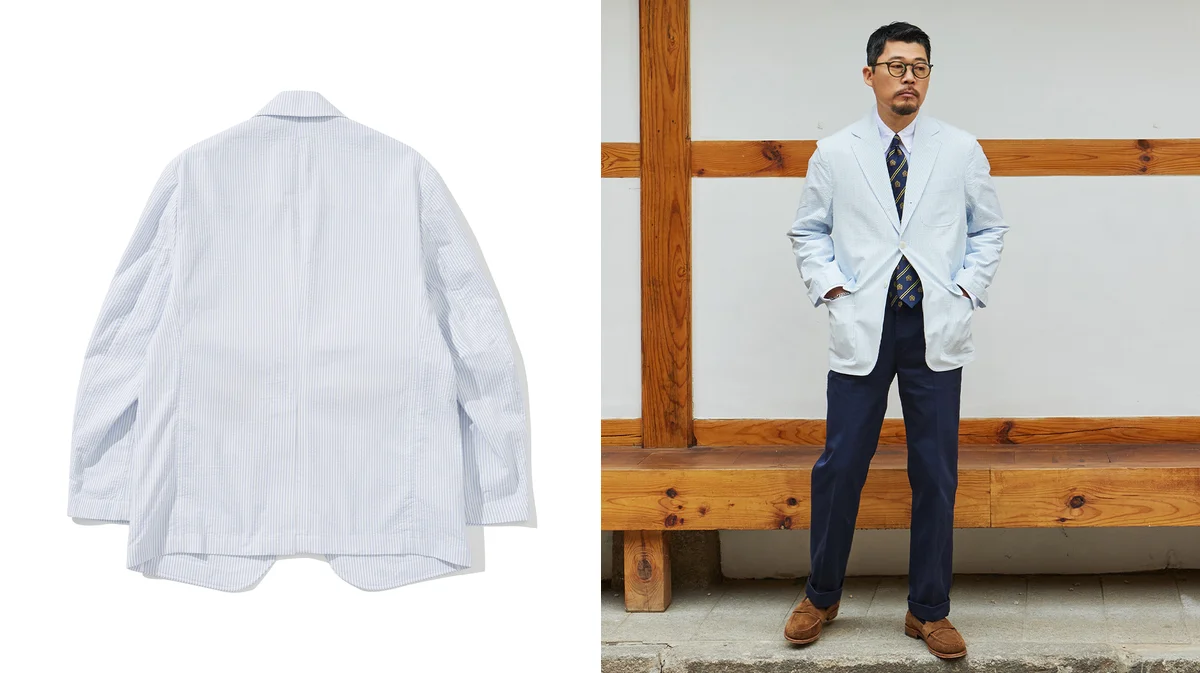
Hopsack is worth looking for. The open weave moves air in a way plain cotton cannot.
Skip in heat: full lining, heavy wool, and black — it absorbs sun and reads severe next to summer colours. Navy, tan, light grey and olive carry the season.
November through February. Flannel, tweed and heavier hopsack. A winter flannel blazer weighs roughly twice what a cotton one does, which is the entire point once the temperature drops.
How to Style a Blazer Casually for Your Body Type
Most guides pretend every guy is 185cm with a 40R chest. Here’s the thing — the same navy blazer reads completely differently on different builds, and casual styling is less forgiving than a suit. There’s no tie to distract from fit.
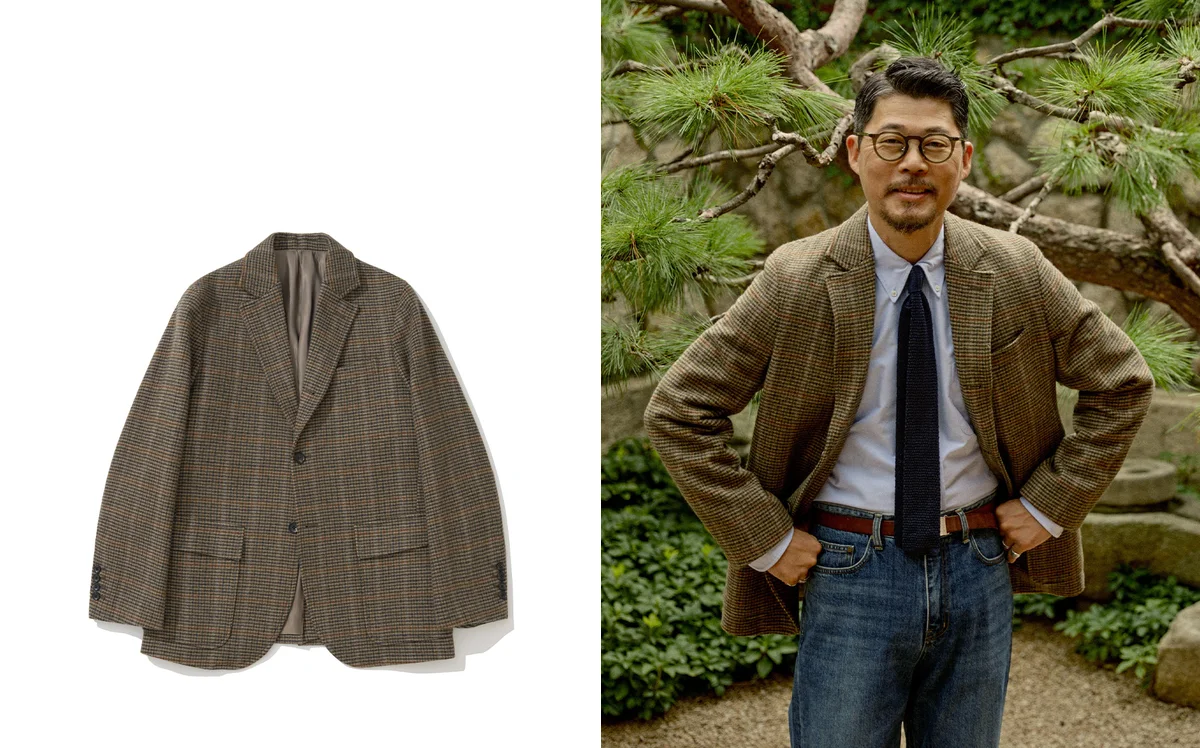
Broad shoulders or athletic build: skip padding entirely. You already have the shoulder line a blazer is trying to fake. Go unstructured, with enough room in the waist that a tee underneath doesn’t pull at the button. When in doubt, size for the chest and tailor the rest.
Slim build: texture is your friend. Hopsack, cotton twill, corduroy — fabrics with surface add visual weight that smooth worsted can’t. Keep the fit close but never tight, and layer a crewneck underneath in cooler months to fill out the chest.
Shorter guys: jacket length decides everything. The hem should just cover your seat — one inch longer and your legs disappear. A slightly higher button stance helps too. Our blazer fit guide breaks down shoulders, length, and sleeves in detail.
And a note from Seoul: most American and British ready-to-wear runs long in the sleeve and body for Asian frames. In the original Ivy context, students bought off the rack and lived with it. In Seoul today, a 20,000-won sleeve adjustment at a neighborhood tailor is the cheapest upgrade a casual blazer can get. Use it.
Casual Blazer Do’s and Don’ts
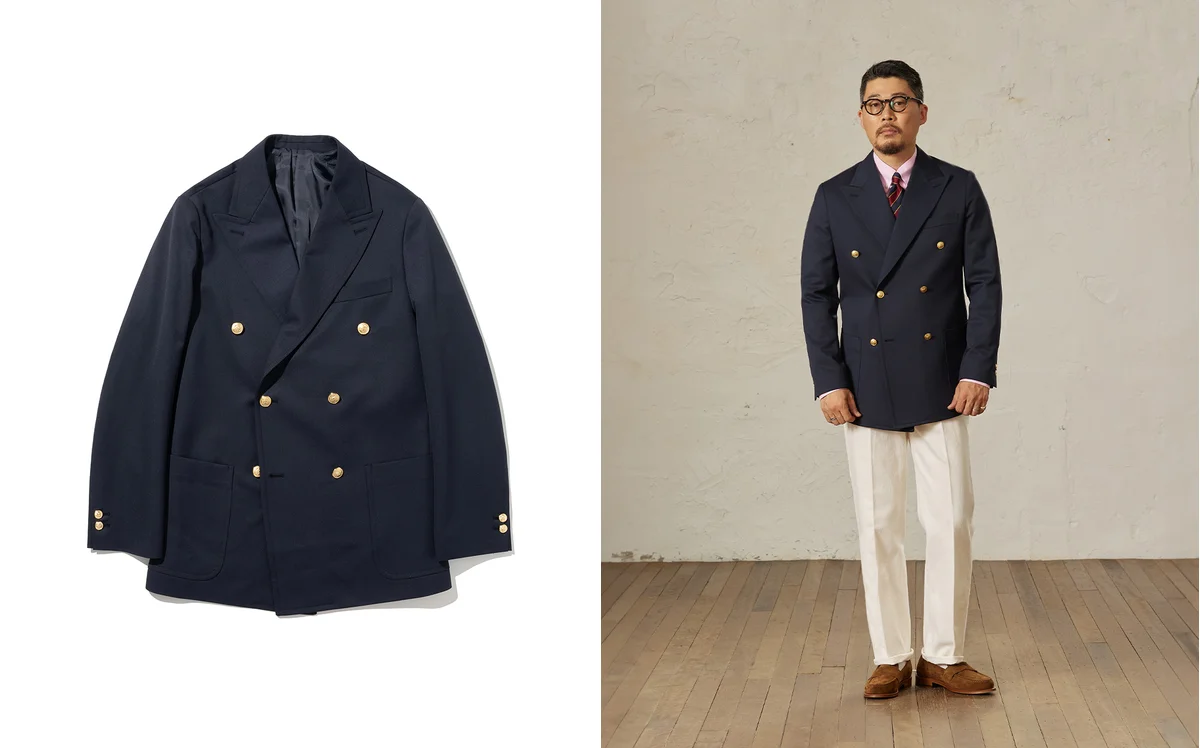
- Do keep contrast between jacket and trousers. Navy over grey, khaki, or denim. Navy over navy is how you end up looking like you lost half a suit.
- Do check the buttons before you buy. Horn or matte buttons casualize a jacket instantly. Gold buttons are their own animal — sharp with loafers, strange with sneakers.
- Do think in seasons. Cotton and linen from May, flannel and corduroy from October. We keep a running playbook of casual blazer outfits and spring layers if you want specifics.
- Don’t fasten the bottom button. Ever. Standing, button the top (or middle); sitting, unbutton it all.
- Don’t add a silk pocket square to a casual outfit. It drags the whole thing back toward the wedding you weren’t invited to.
- Don’t wear dress shoes with the most casual formulas. Penny loafers, suede derbies, or clean white leather sneakers cover the entire spectrum.
If you want the bigger picture of why these rules exist — where the blazer sits inside the whole tradition — start with our Ivy style guide.
How to Style a Blazer Casually — FAQ
Can you wear a blazer casually?
Yes, and it’s one of the most useful things you can do with a blazer. The trick is treating the blazer as the structured anchor and styling everything else (shirt, trousers, shoes) as deliberately casual. A soft-shouldered, unstructured navy blazer over a white tee, dark denim, and white sneakers is more useful than a suit jacket nine days out of ten.
What pants go with a blazer casually?
For a blazer chino outfit men wear most days, dark khaki, stone, or olive chinos with a navy blazer is the default. Dark indigo selvedge jeans work for the most casual end of the spectrum. Avoid suit-pants-looking trousers (sharp creases, dressy fabric) — those make the blazer read like an orphaned suit jacket, which is the failure mode this entire article is designed to prevent.
What shoes work with a casual blazer?
Black penny loafers and black plain-toe derbies are what the Seoul Trad team wears most — sharp, deliberate, and they translate the blazer into clean smart-casual territory without overcorrecting. Brown suede penny loafers and brown derbies are the warmer alternatives. Clean white leather sneakers (Common Projects, adidas Stan Smith) work with the most casual formulas. Skip chunky athletic trainers — they undercut the blazer’s structure.
Should you wear a tie with a casual blazer?
Usually no. If you do, make it a knit tie — silk reads too dressy and pulls the outfit toward suit-territory. A navy or grey wool knit tie with an oxford button-down and a casual blazer is one of the few correct readings.
Can you wear a blazer with jeans?
Yes — but only with the right jeans. Dark indigo, mid-weight selvedge denim with a slim-straight cut. Avoid distressed denim, light washes, and skinny jeans. The whole point is that the jeans should read as deliberate trousers, not weekend gardening jeans. Tucking a white tee or oxford in (yes, into jeans, with a leather belt) tightens the look another notch.
Blazer or sport coat for casual outfits?
If the jacket has pattern or texture — herringbone, houndstooth, tweed — it’s technically a sport coat, and honestly it dresses down easier than a true blazer. Here’s how to tell them apart in three tests. For a deeper bench of combinations, we also put together 24 navy blazer outfits across nine registers.
What colors work best for a casual blazer?
Navy first, no contest — it plays with everything in the formulas above. Mid-grey and olive are the next two worth owning. Black is the hardest one to wear casually; it wants evening clothes, not chinos. If you’re buying your first jacket, our navy blazer essentials guide explains what to look for.