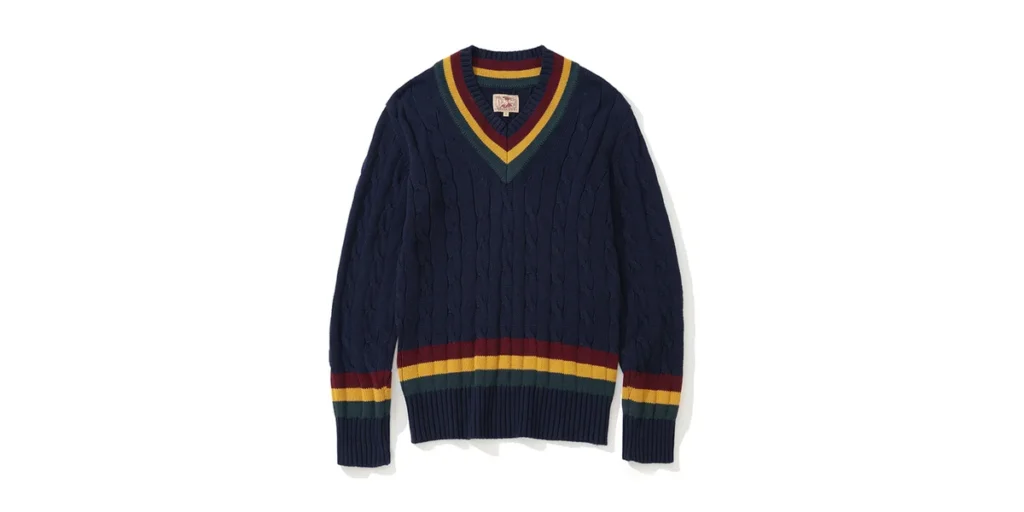
How to Care for a Wool Sweater: Washing, Drying & Storage
Why Wool Sweater Care Actually Matters
A good wool sweater can last a decade. A neglected one pills into a sad felt rectangle by February. The difference isn’t the sweater — it’s how you take care of it.
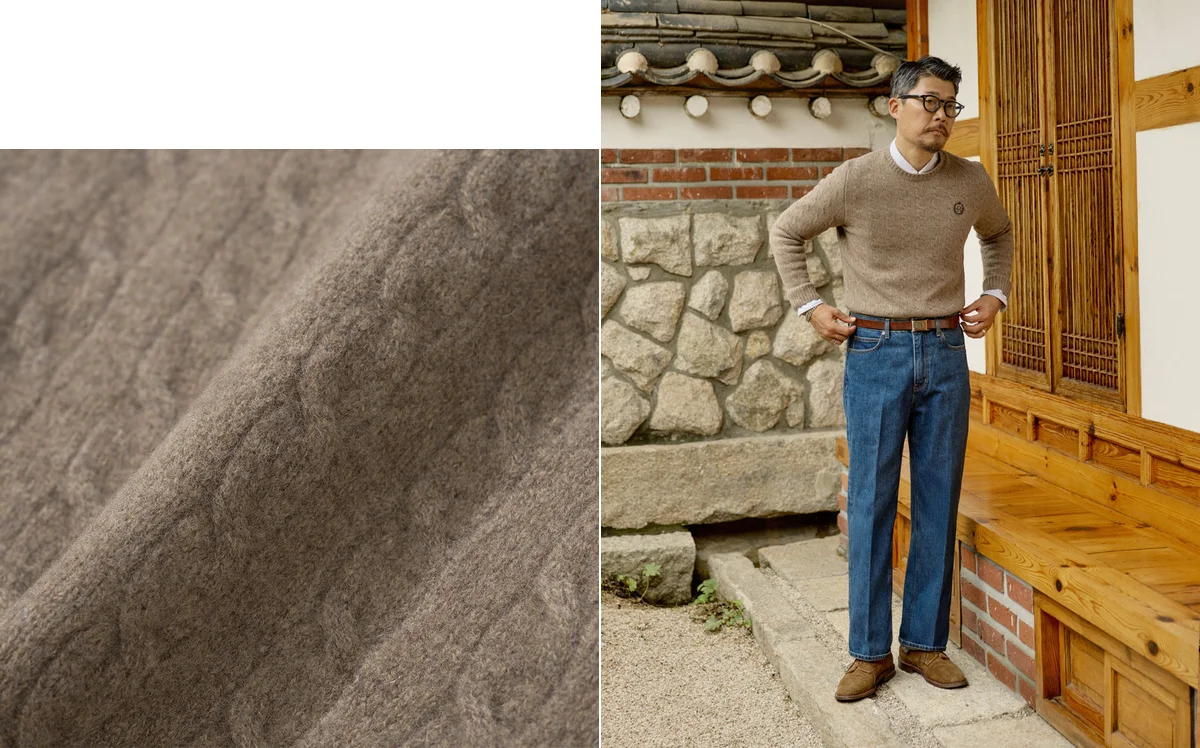
Wool is a protein fiber. It comes from a living animal. That means it behaves more like your hair than like a cotton t-shirt — you wouldn’t wash your hair in hot water with harsh detergent and then wring it out. Same logic applies here.
This guide covers everything: washing, drying, pilling, folding, and long-term storage. Whether you’ve got a lightweight merino crewneck or a chunky Shetland, these rules apply across the board.
How Often Should You Wash a Wool Sweater?
Less than you think. Wool is naturally antimicrobial. The lanolin in the fiber resists odor and bacteria far better than cotton or synthetics. Most guys overwash their knitwear, and that’s what destroys it.

My rule: wash a wool sweater every 4-6 wears, unless you’ve spilled something on it. Between washes, just air it out. Hang it on the back of a chair overnight after wearing, and it’ll be fresh by morning.
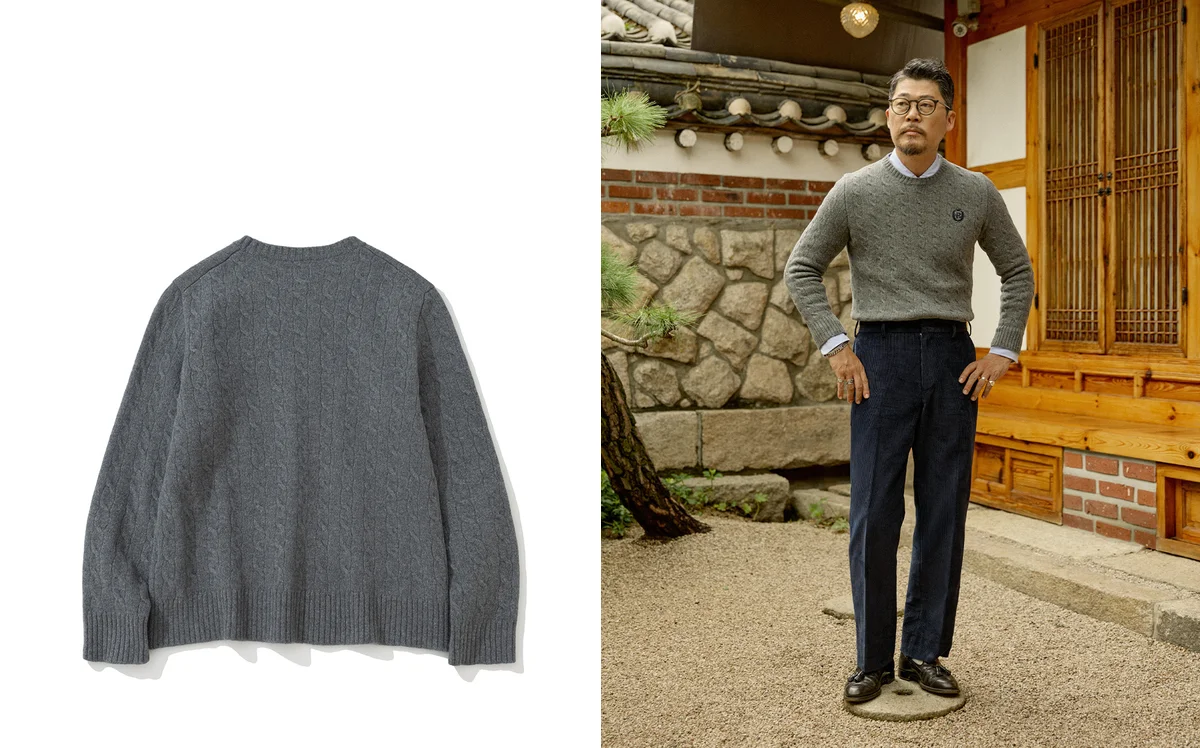
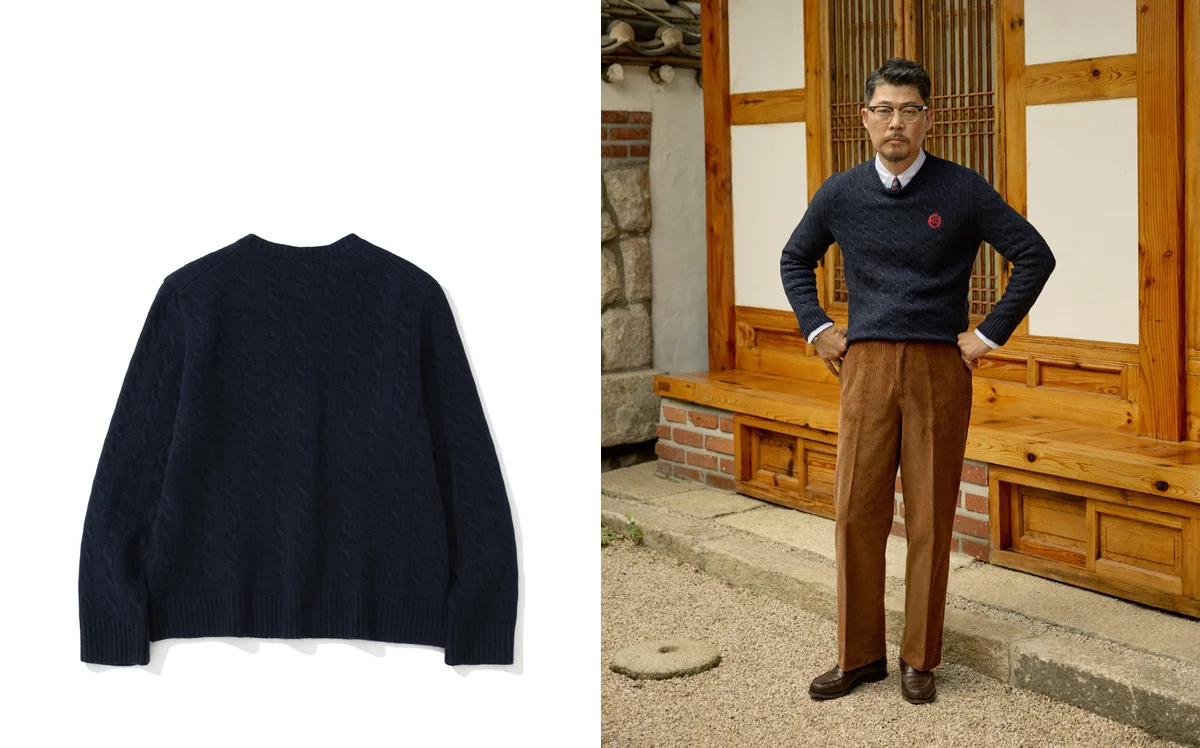
If you’re layering it over an oxford cloth button-down — which you should be — the shirt absorbs most of your body oil and sweat anyway. The sweater barely gets dirty. A crewneck over an OCBD isn’t just a look; it’s a garment preservation strategy, and one of the underrated benefits of the Ivy layering approach central to dressing in Seoul.
Hand Washing: The Gold Standard of Wool Sweater Care
Hand washing is the safest method. Full stop. It gives you complete control over temperature, agitation, and duration. Learn this process once and it becomes second nature.
Fill a basin or clean sink with cool water — never above 30°C (86°F). Add a small amount of wool-specific detergent. Eucalan, Soak, and The Laundress Wool & Cashmere Shampoo all work well. Regular detergent strips lanolin and can felt the fibers.
Submerge the sweater and gently press it down. Don’t rub, twist, or scrub — just let it soak for 10-15 minutes. Then drain the soapy water, refill with clean cool water, and press gently again to rinse. Repeat until the water runs clear.
Here’s where most people mess up: wringing. Never wring a wet wool sweater — you’ll stretch the fibers permanently. Instead, press the water out gently against the side of the basin, then lay the sweater flat on a clean towel. Roll the towel up like a burrito and press down to absorb excess moisture.
Machine Washing Wool: When It’s Okay (and When It’s Not)
Machine washing is risky. But it’s not always a death sentence. If your machine has a dedicated wool or delicate cycle with cold water and minimal spin, you can get away with it for sturdier knits like lambswool or Shetland.
The non-negotiables: cold water only, wool detergent, and a mesh laundry bag. The bag prevents the sweater from stretching and snagging against the drum. Set the spin cycle to the lowest RPM available, or skip it entirely.
What should never go in the machine? Anything cashmere, anything loosely knit, and anything with a delicate gauge. These need hand washing or dry cleaning. No exceptions.
Fair warning: even on a wool cycle, machines are unpredictable. I’ve seen a perfectly fine Shetland come out a full size smaller because someone’s “delicate” cycle was more aggressive than advertised. If the sweater matters to you, hand wash it.
How to Dry a Wool Sweater Without Ruining It
Never hang a wet wool sweater. Gravity plus water weight equals stretched-out shoulders and a misshapen body. It’s irreversible.
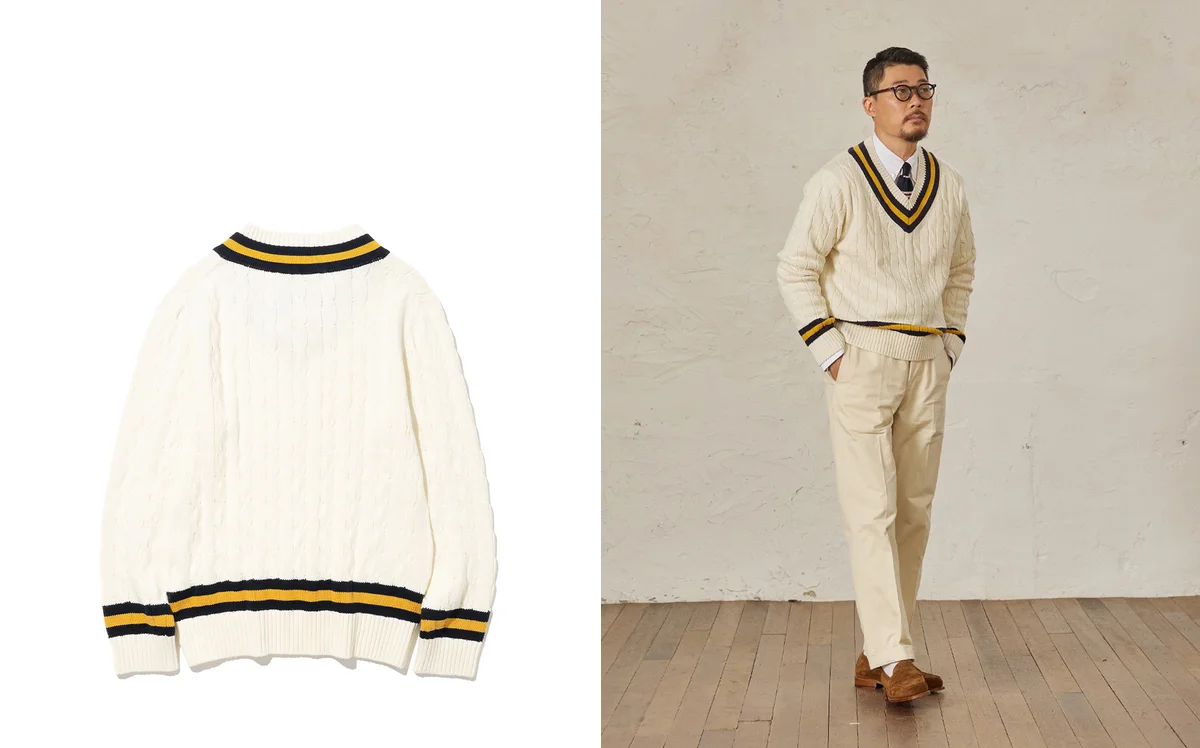
After the towel-roll step, lay the sweater flat on a drying rack or a fresh dry towel. Reshape it gently with your hands — smooth out the body, straighten the sleeves, adjust the collar. Wool has a memory when wet, so whatever shape it dries in is the shape it keeps.
Keep it away from direct sunlight and heat sources. No radiators, no hair dryers, no tumble dryers. Room temperature air is all you need. It’ll take 12-24 hours depending on the weight of the knit and your room’s humidity.
Seoul apartments in summer can be humid enough that drying takes longer. If that’s the case, point a fan nearby — not directly at the sweater, just enough to keep air circulating. A dehumidifier in the room helps too.
Dealing with Pilling: Prevention and Removal
Pilling is inevitable with wool. It’s not a defect — it’s loose short fibers working their way to the surface through friction. Anywhere your arms rub against your body, where a bag strap sits, where a seatbelt crosses your chest. All pill zones.

Higher-quality wool pills less because the fibers are longer and more tightly spun. But even the best Shetland will pill eventually. The goal is managing it, not eliminating it.
A sweater stone or a fabric comb is your best tool here. Gently run it across the pilled areas and it lifts the fuzz right off. A sweater stone beats an electric fabric shaver — you get more control and zero risk of cutting the knit.
Do this once a month during heavy-wear season and your sweater will look fresh all winter. Think of it like brushing a suit jacket. Basic maintenance, not a repair.
Folding vs. Hanging: The Storage Debate
Fold. Always fold. Knitwear should never live on a hanger.
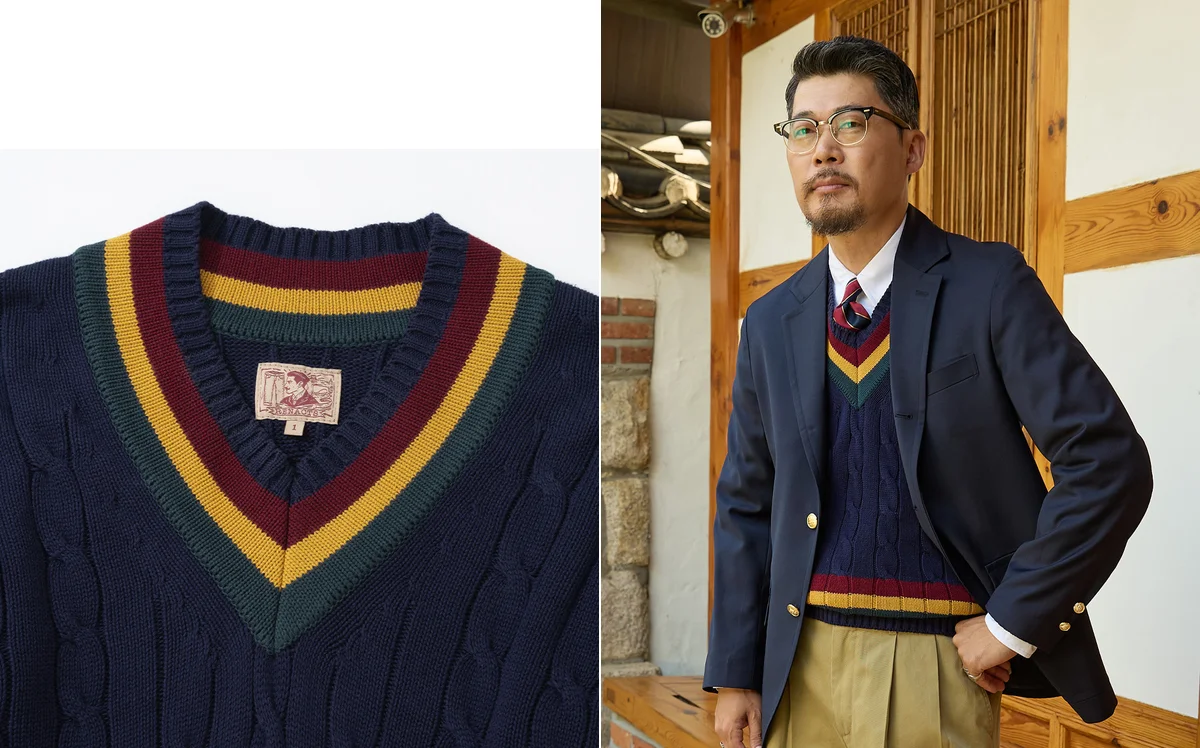
Hangers create shoulder bumps that are nearly impossible to remove from wool. Even padded hangers. Even those fancy wooden ones. The weight of the sweater pulls down on the shoulder points and stretches the knit over time.
The right storage method is simple: fold neatly and stack on a shelf or in a drawer. Don’t stack more than 4-5 high, or the bottom sweaters get compressed. If drawer space is tight in a typical Seoul apartment, shelf-folding with a divider works perfectly.
For folding technique: lay the sweater face down, fold each sleeve across the back, then fold the body in thirds or in half depending on your shelf width. Consistent folds prevent crease lines from forming in odd places.
Seasonal Storage: Protecting Wool Through Seoul’s Summer
Seoul summers are brutal on stored wool. High humidity plus heat creates the perfect environment for moths and mildew. Proper off-season storage is the final piece of serious wool sweater care.
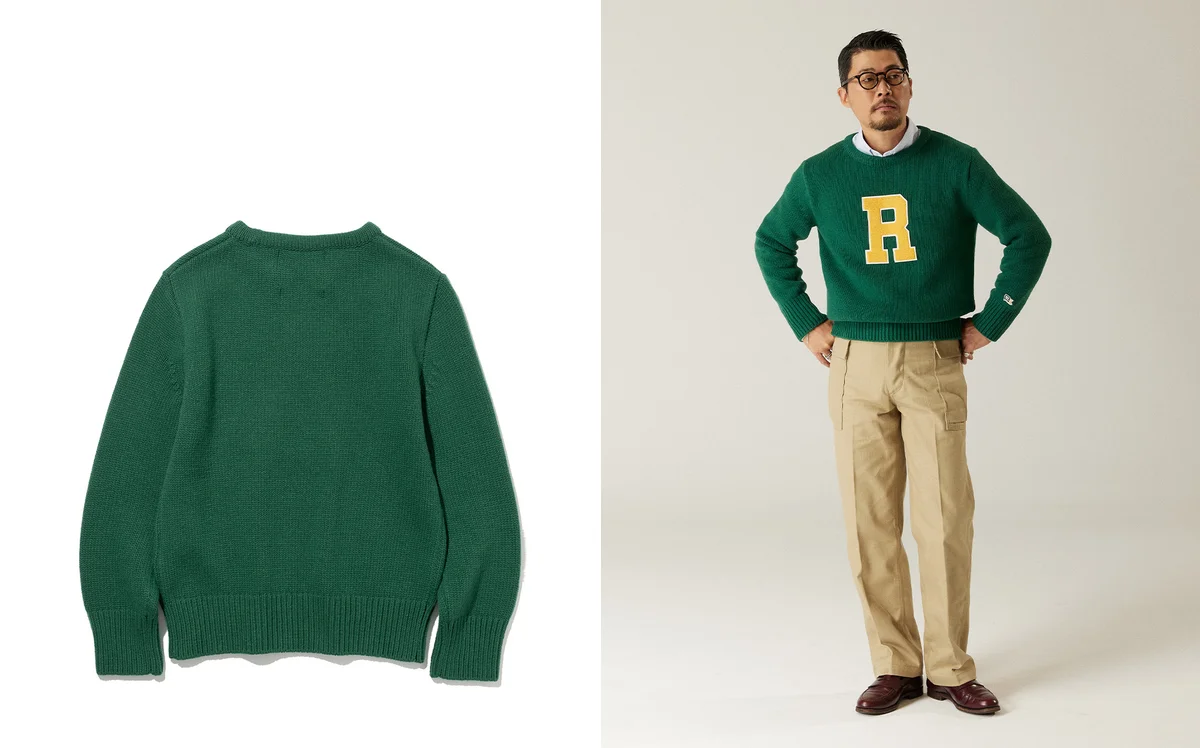
Always wash your sweaters before storing them. Moths are attracted to body oils, food residue, and sweat — not the wool itself. A clean sweater is far less likely to get eaten.
Store in breathable cotton garment bags or clean cotton pillowcases. Never use plastic bins or vacuum bags for long-term wool storage. Wool needs to breathe — plastic traps moisture and can cause yellowing or mildew.
Cedar blocks or lavender sachets are natural moth deterrents. Toss a couple into each storage container. Replace or sand the cedar blocks every season, because once the scent fades, the protection fades too. Mothballs work but they smell terrible and contain chemicals you probably don’t want near your skin.
If you live in Seoul and don’t have a dedicated storage plan for knitwear, you’re replacing sweaters every two years when you shouldn’t have to. One afternoon of prep in May saves you hundreds of thousands of won in October.
Quick-Reference Wool Sweater Care Checklist
Wash every 4-6 wears, not every wear. Use cool water (under 30°C) and wool-specific detergent. Hand wash when possible — machine wash only in a mesh bag on a wool cycle. Never wring. Roll in a towel to remove water.
Dry flat, away from heat and sunlight. Reshape while wet. Remove pills monthly with a sweater stone. Fold, never hang. Store clean in breathable bags with cedar.
Wool sweater care isn’t complicated — it just requires intention. The same kind of intention that goes into choosing what to wear in the first place. A well-maintained crewneck over a properly laundered OCBD, with chinos and loafers — that’s the Seoul Traditional uniform, and it only looks right when every piece is kept up.