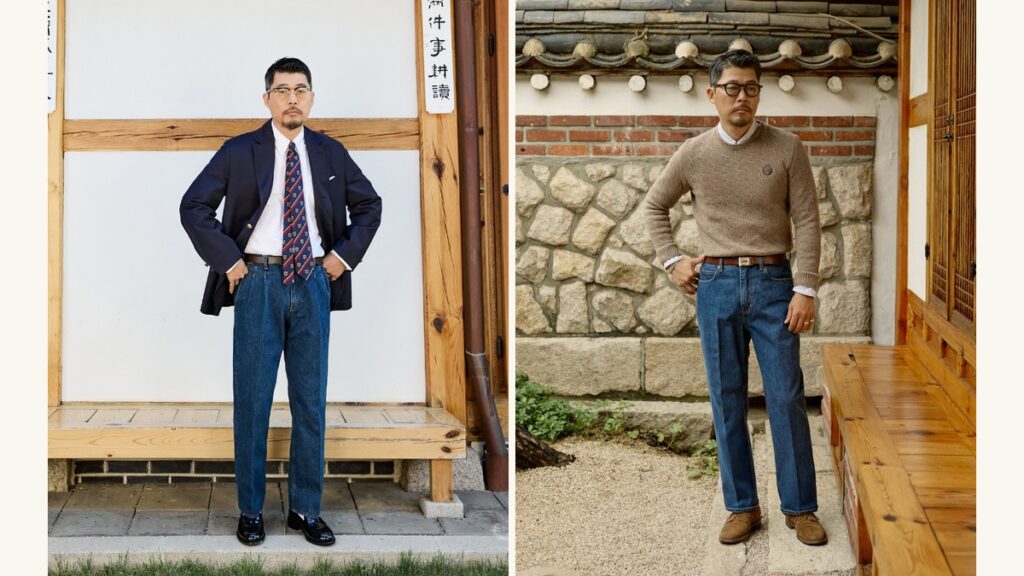
Modern Ivy Style: The 2026 Proportions, in Numbers
Every guide to modern ivy style says the same three words: looser, softer, relaxed. Almost none of them give you a number.
That’s a problem, because proportion is the whole difference. The pieces haven’t changed since 1962 — oxford shirt, navy blazer, khakis, penny loafers. What changed is how much room is in them.
So this guide does the thing the others skip. Below is what modern ivy style actually measures, next to the campus original. Numbers you can take into a shop.
ON THIS PAGE
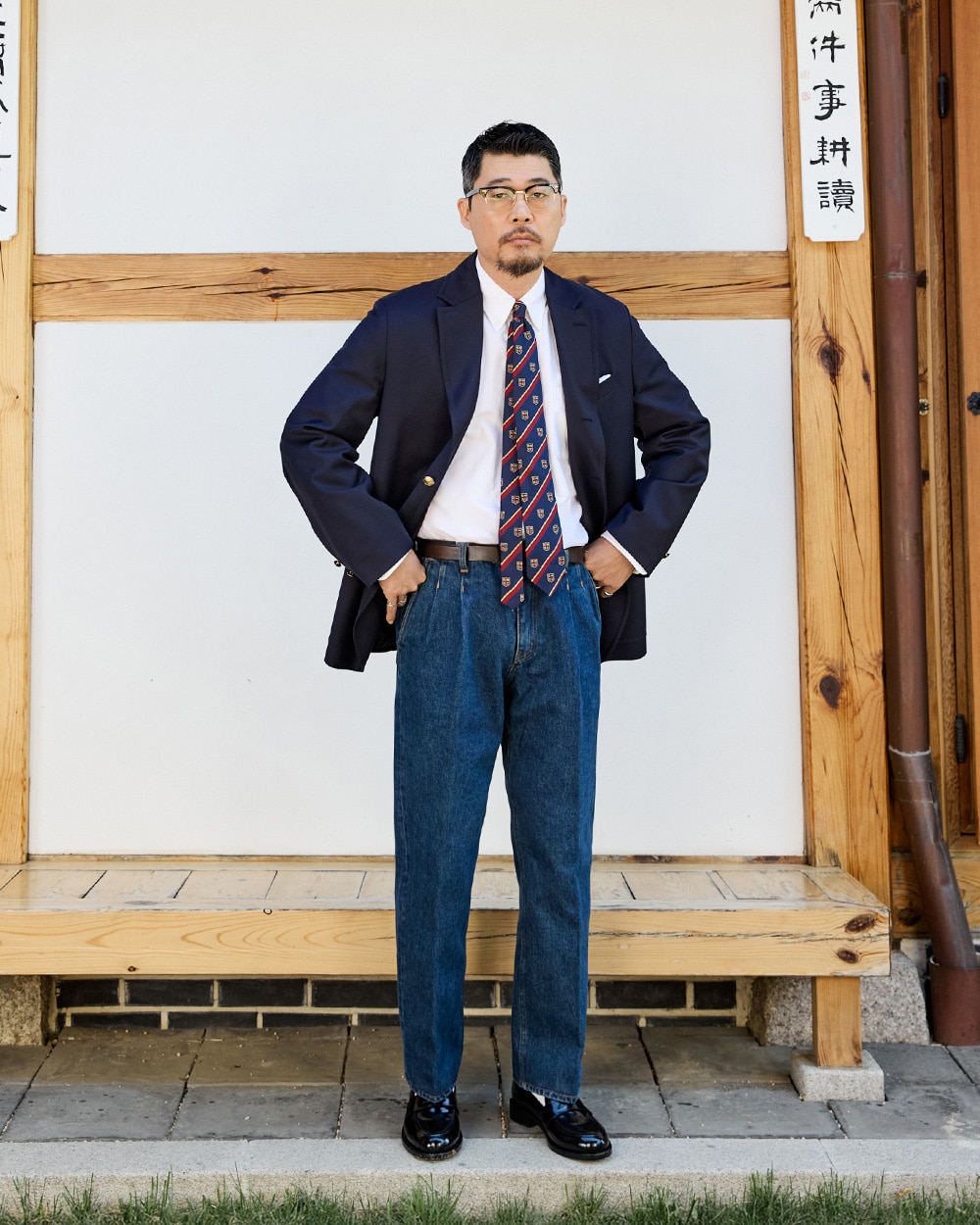
What Modern Ivy Style Actually Means
Modern ivy style isn’t a new wardrobe. It’s the same wardrobe cut with more air in it.
Here’s the useful definition. Original ivy was campus clothing worn by people who owned few clothes and wore them hard. Modern ivy is that vocabulary, rebuilt for bodies that sit at desks and move through cities.
The natural shoulder stays. The shrink-wrap goes.
It helps to place it against its neighbours. Original ivy is 1955–1965, slim by the standards of its day, worn without irony. Modern ivy style keeps every piece and loosens the cut. Ametora is the Japanese reading — more faithful to the archive than the Americans ever were, sometimes to the point of costume.
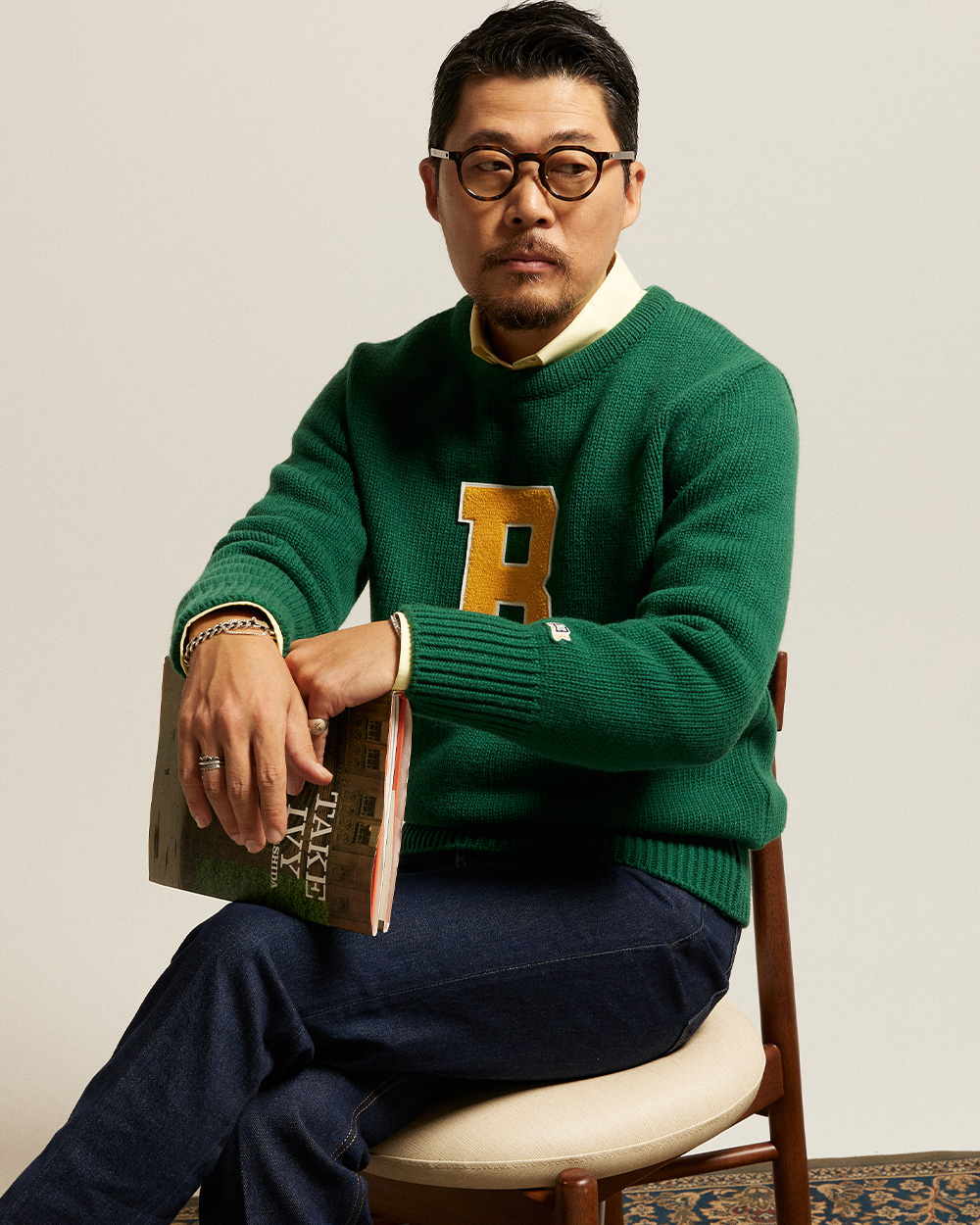
Hot take: most men who say they don’t like ivy style have only ever tried it in 2014 proportions. Skinny chinos and a shrunken blazer aren’t ivy. They’re ivy wearing the wrong size.
The Numbers: 1960s Campus vs the 2026 Read
This is the part nobody writes down. Ask for these and you’ll get the right silhouette without having to describe a vibe.
| Measurement | 1960s campus | 2026 read | What it does |
|---|---|---|---|
| Trouser front rise | 10–11 in (mid) | 11.5–13 in (high) | Waist sits at the waist, not the hip |
| Trouser leg opening | 17–18 in circ. | 19–21 in circ. | Straight fall instead of taper |
| Break | None to slight | Full break or small stack | Softens the line at the shoe |
| Pleats | Usually flat front | One or two forward pleats | Room through the seat and thigh |
| Jacket length | Covers the seat | Covers the seat, half-inch longer | Balances the fuller trouser |
| Shoulder | Natural, unpadded | Unchanged | The one thing you don’t touch |
| Sweater fit | Close, tucked at times | One size of ease added | Layers over a shirt without pulling |
Two notes on reading that table.
The rise is the single most important number — the measurement Permanent Style calls the one that decides whether a trouser reads as 1965 or 2025. A 1955 Ivy-Alls advertisement called its cut a new slim silhouette at 21 inches through the knee and 18 at the cuff — narrow now, radical then. But the waist sat lower than most men assume.
Raise the rise and everything else falls into place. The leg has somewhere to hang from, the shirt stays tucked, and the jacket stops fighting the trouser.
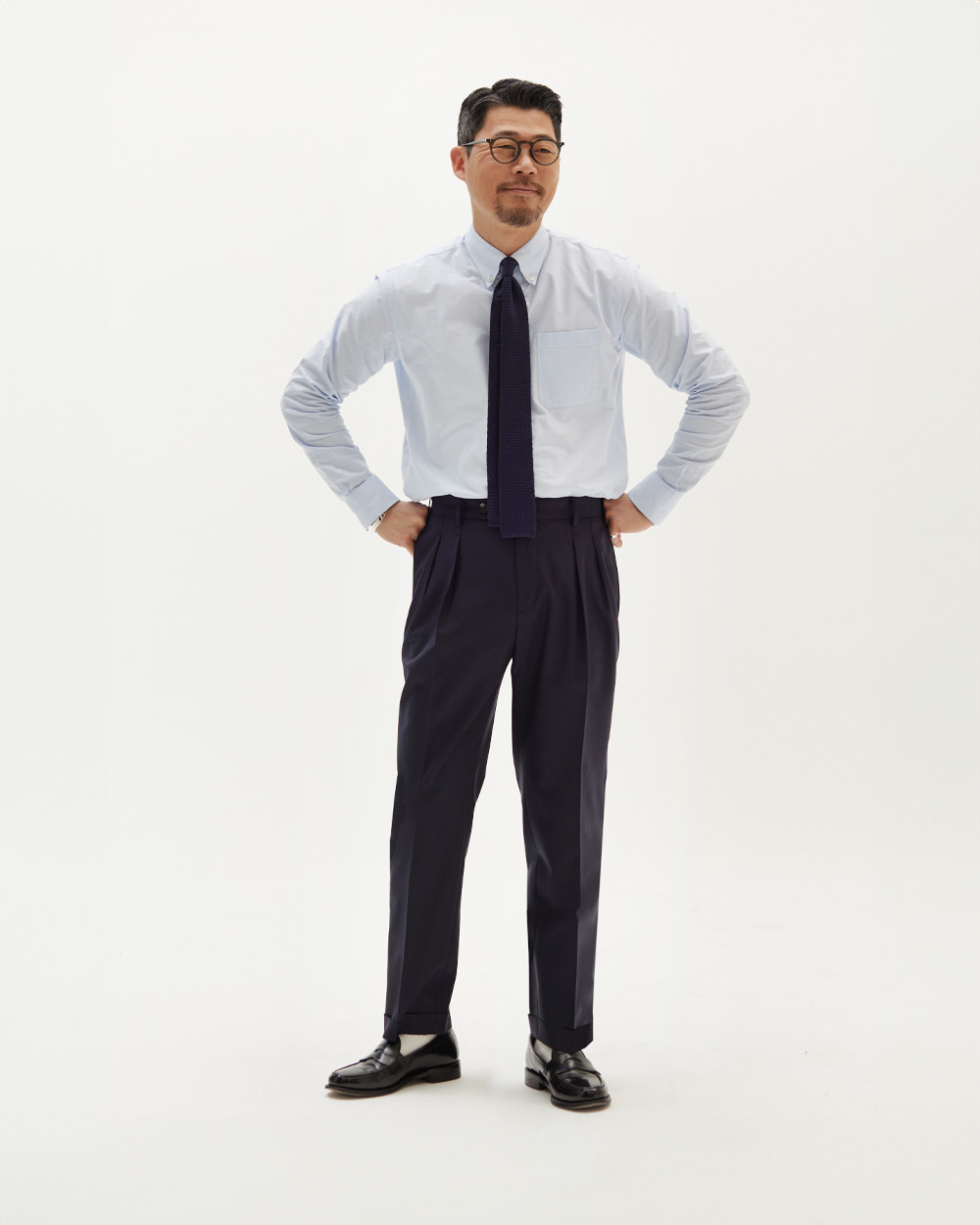
Item by Item: What Changed and What Didn’t
The oxford button-down — unchanged
Don’t touch it. The OCBD was already cut generously in 1960 and it still should be.
The only spec that matters is the collar: unlined, points around 3 to 3.5 inches, long enough to roll on its own. If the collar lies flat, the shirt is wrong no matter what it cost.
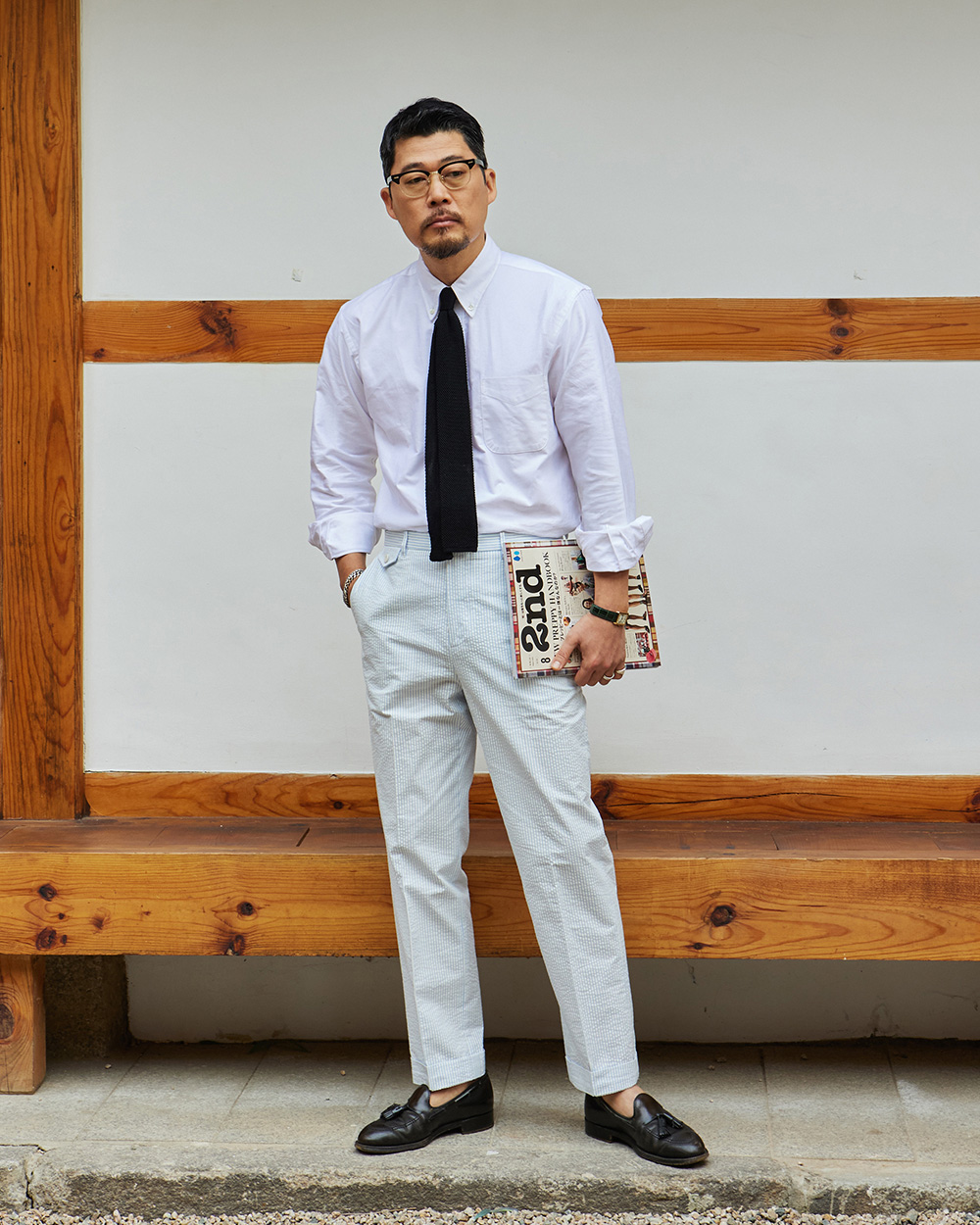
Trousers — where the whole shift happens
If you change one thing, change here. Go up in rise, out in leg, and add a cuff.
Pleats are the fastest way there. A forward pleat opens the thigh without adding width at the waist, which is why every tailor reached for them before the 1980s made them a punchline.
Easiest way to feel the gap: the pipe-stem cut and the two-tuck in the same cloth, two decades apart.
The blazer — half an inch, no more
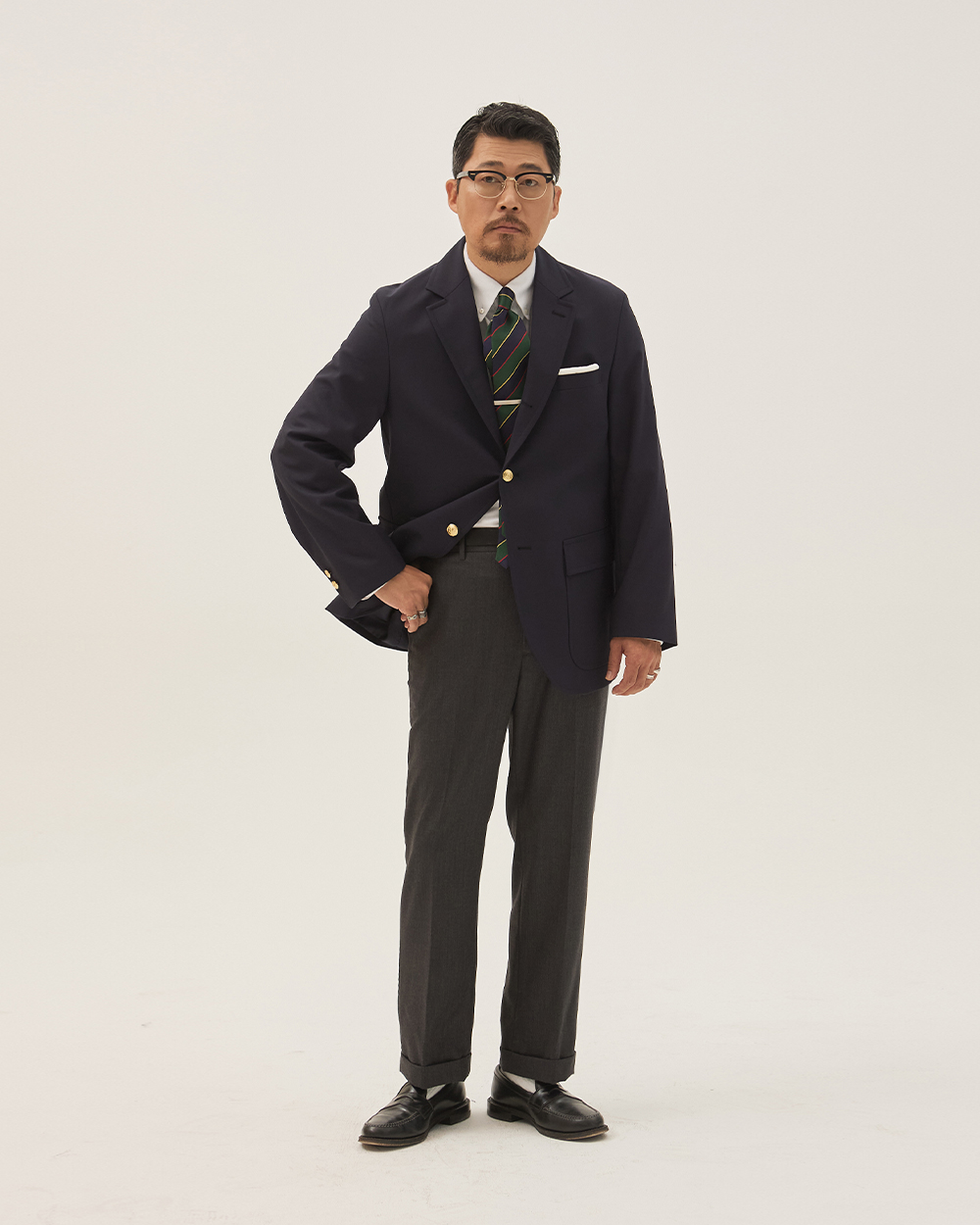
The 2014 blazer stopped at the belt. That’s the error everyone remembers.
Modern ivy style puts the hem back where it belongs — covering the seat — and adds maybe half an inch beyond that to balance a fuller trouser. Go further and you’re in 1990s territory, which is a different and worse mistake.
Keep the shoulder unpadded and the front undarted. Those aren’t proportions, they’re the definition.
Knitwear — add one size of ease
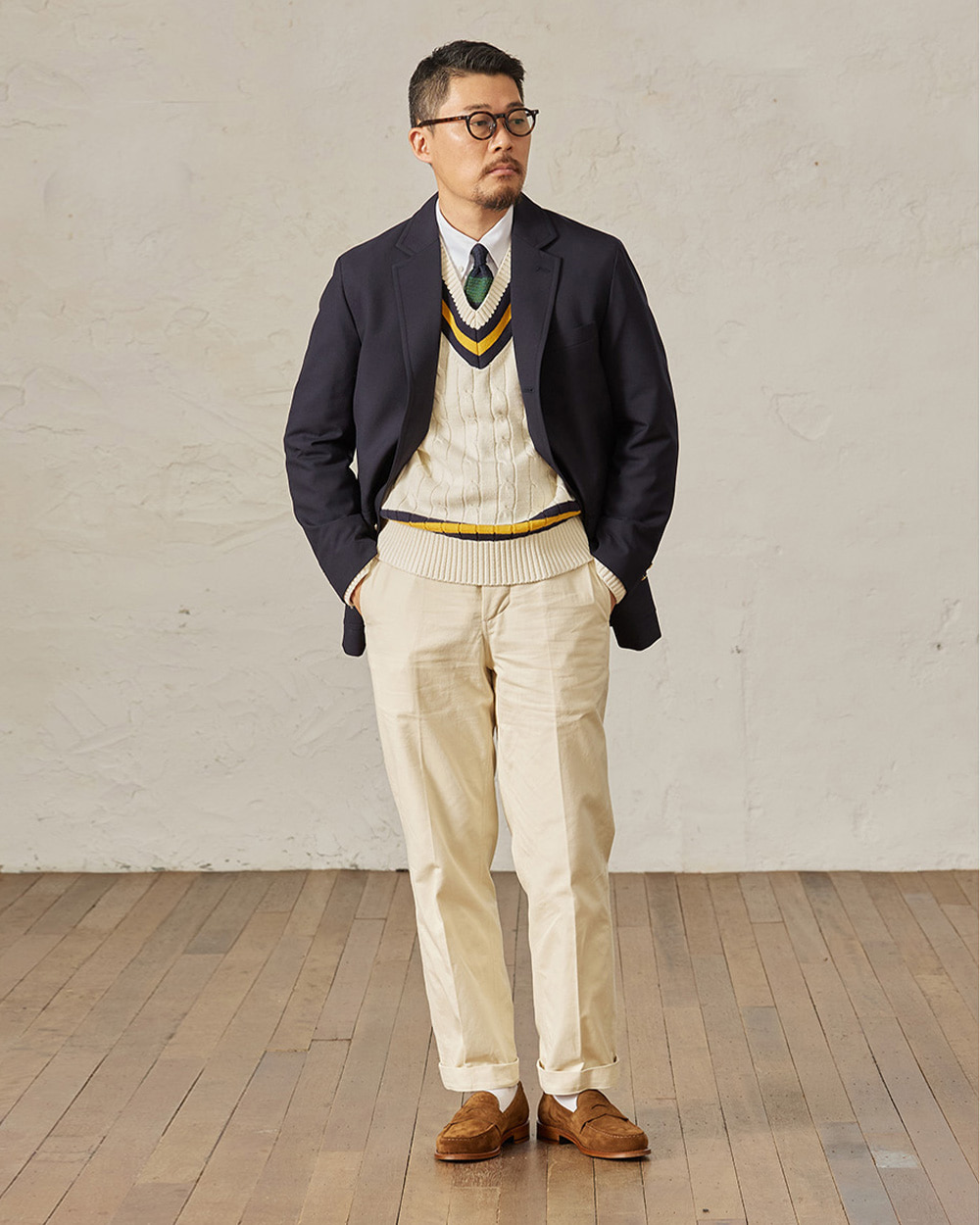
A cable knit should skim, not grip. You want to layer it over an oxford and still get your arm through the sleeve.
Texture does more work than fit here. A flat merino reads corporate; a nubby lambswool reads like you’ve had it since freshman year.
Shoes — the one place slim still wins
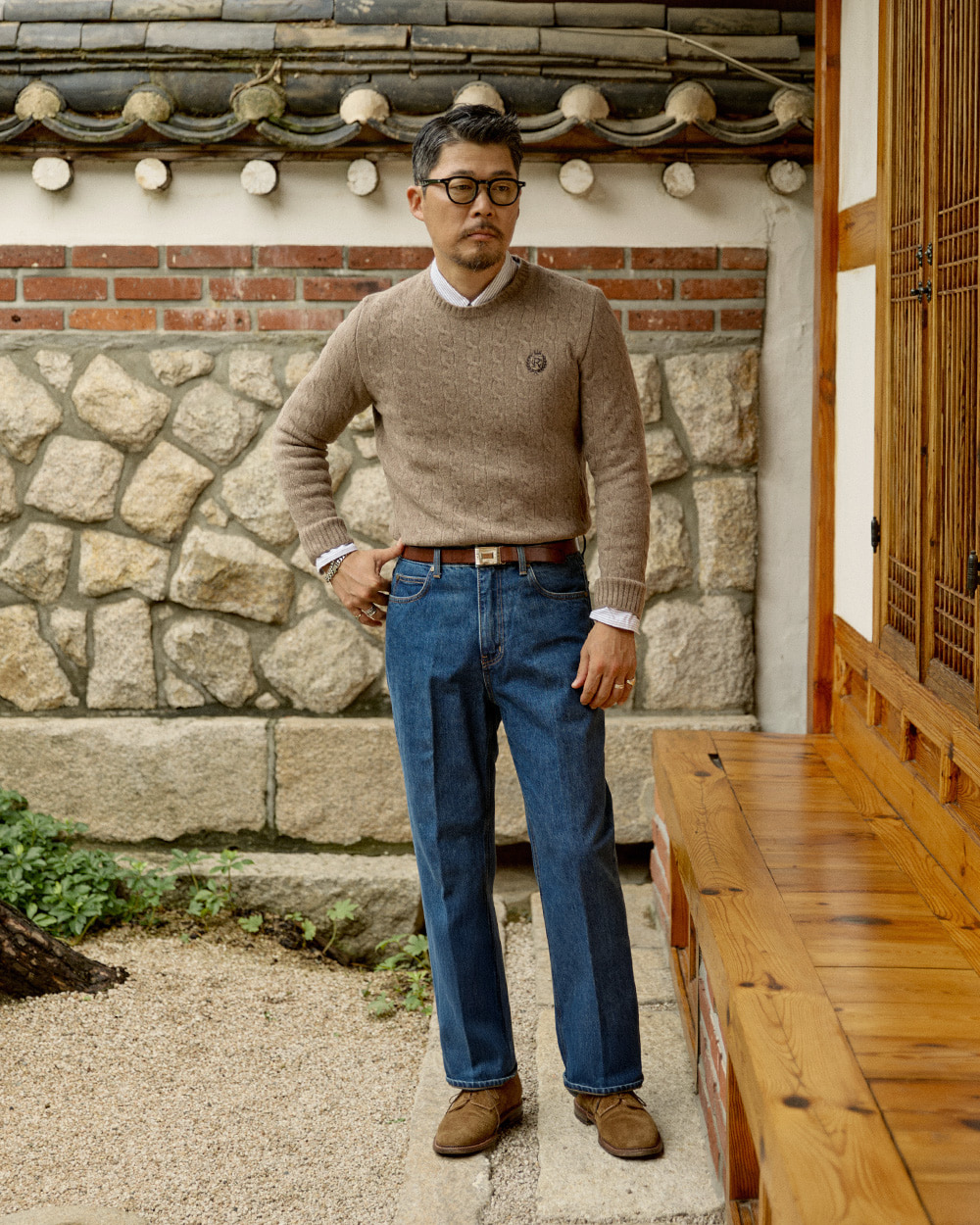
Fuller trousers need a shoe with some presence, but not a raft. A penny loafer on a leather sole handles a 20-inch hem fine.
Sneakers work in modern ivy style. They didn’t in 1962, and anyone who tells you otherwise is selling a fantasy.
Where People Get Modern Ivy Style Wrong
Three failures, in order of how often we see them.
Loosening everything at once. Full trouser, oversized blazer, boxy knit — that’s not ivy, it’s a silhouette with no spine. Pick one volume and keep the rest honest.
Adding a padded shoulder. People chase “roomier” and end up buying a jacket with structure in it. The shoulder is the line that makes it ivy. Widen the body if you must; leave the shoulder alone.
Dressing head to toe in it. The best modern ivy style outfits carry two or three heritage pieces and let the rest be ordinary. All seven at once is a costume, and everyone can see it.
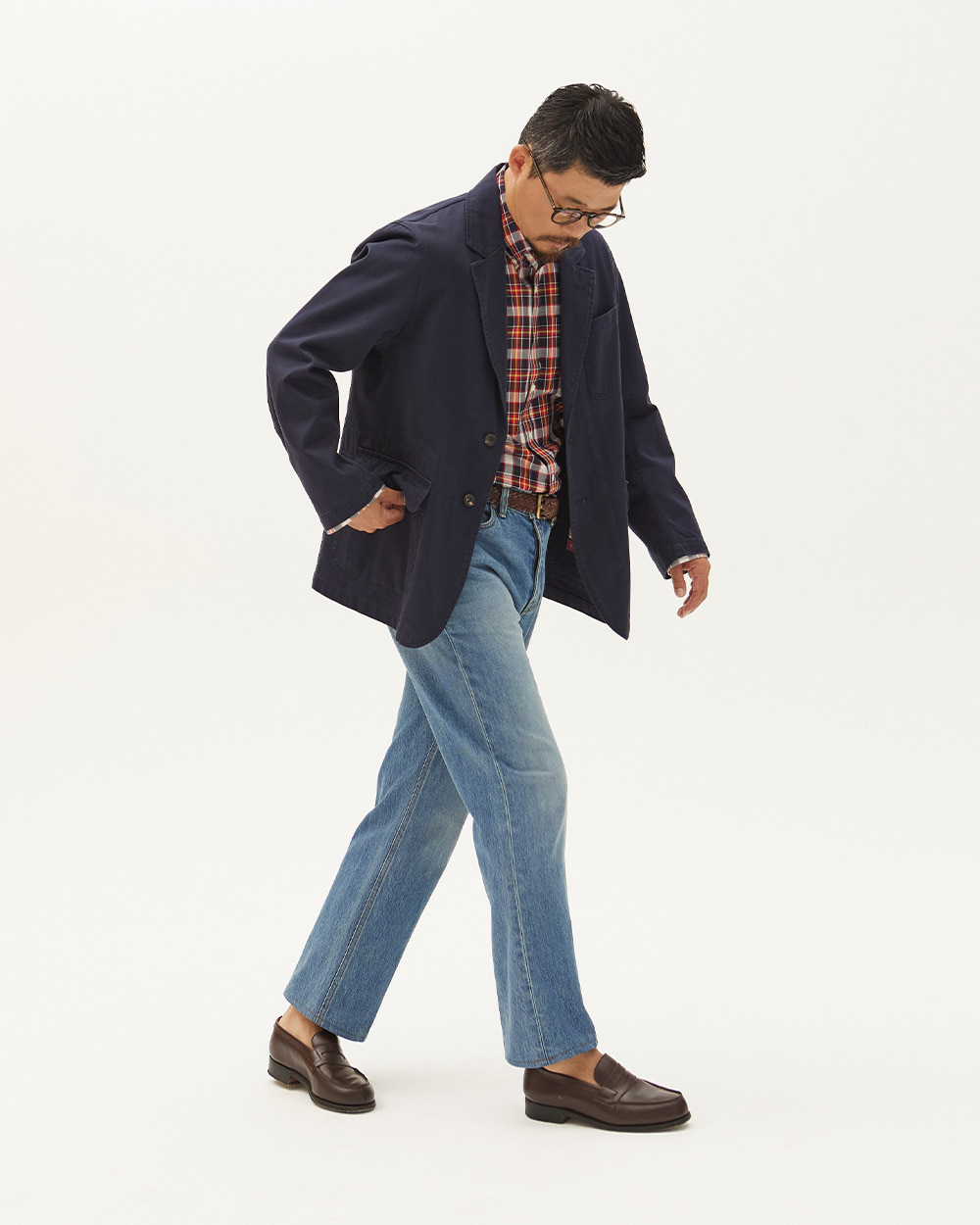
Why Modern Ivy Style Suits Seoul Better Than the Original
The original proportions were built for a New England campus you walked across twice a day. Seoul is a different problem.
You take the subway. You sit in overheated rooms and then step into a 30-degree swing outside. You walk more than you think and almost never in a straight line.
Fuller trousers and a jacket with room are simply better equipment for that. A high rise stays put when you’re standing on a train; a straight leg doesn’t bind when you climb the stairs at Anguk.
And there’s the cloth argument. Seoul’s shoulder seasons are about six weeks each, so most of the year you’re either layering or shedding. Ease in the middle layer is what makes that possible without changing your whole outfit.
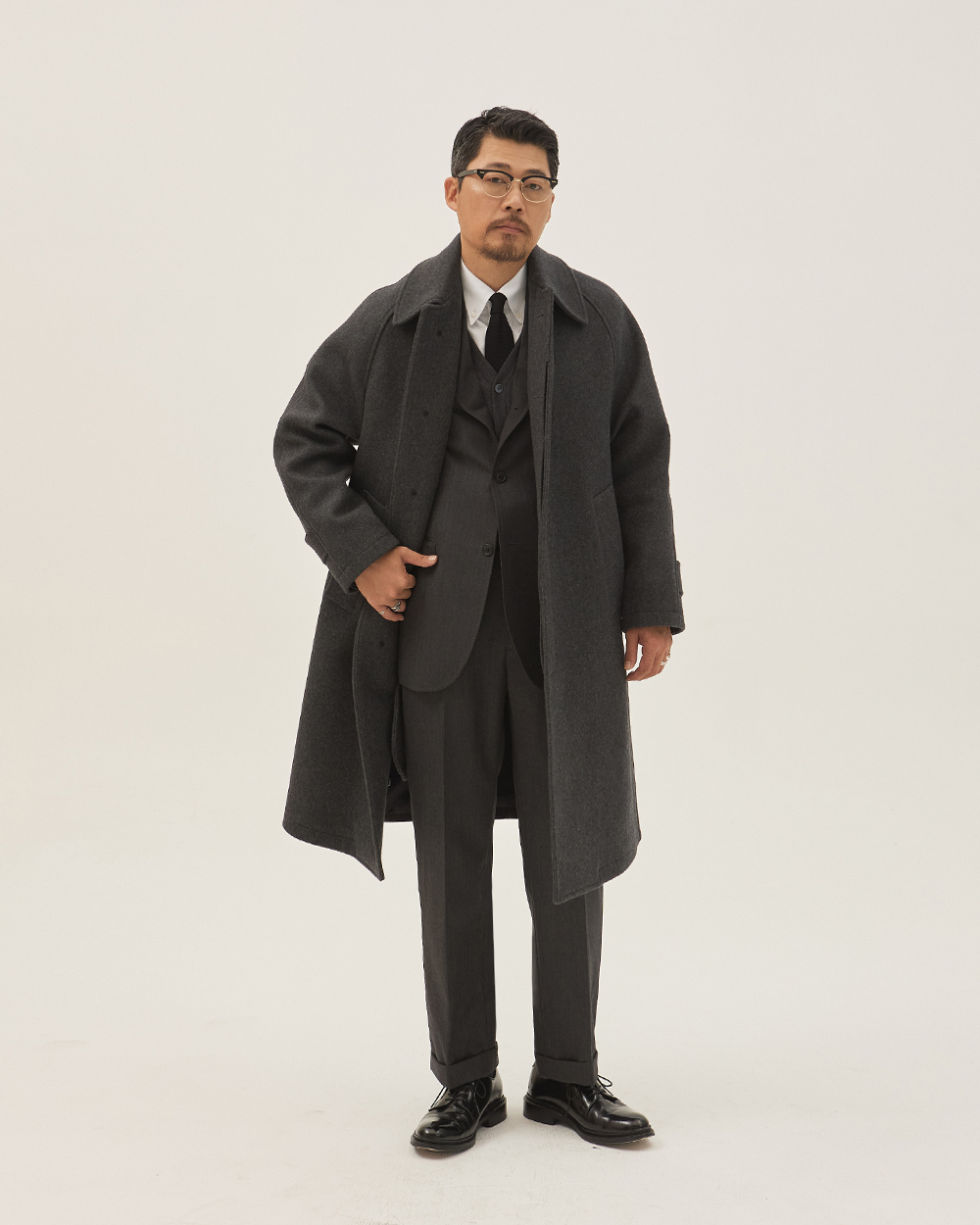
For the full wardrobe and its history, start at the Ivy Style Guide. For the jacket cloths, Sport Coat Fabrics covers weight by season. And the shoulder that makes all of this work has its own piece.
Modern Ivy Style: Common Questions
What is modern ivy style?
The 1950s–60s American campus wardrobe worn in contemporary proportions — higher rise, fuller leg, slightly longer jacket, more ease in knitwear. The pieces are identical. Only the cut changed.
How is modern ivy style different from classic ivy?
Almost entirely in the trousers. Original ivy sat at mid rise with a 17–18 inch hem and little break. Modern ivy sits high with a 19–21 inch hem and a full break.
Is modern ivy style the same as preppy?
No. Preppy is ivy on vacation — brighter, looser about the rules, boat shoes instead of loafers. Modern ivy style stays in the campus register and just adds room.
Can you wear sneakers with modern ivy style?
Yes, and this is one of the real differences from the original. A low-profile leather or canvas sneaker works with the fuller trouser. Running shoes don’t.
Should modern ivy style trousers have pleats?
They don’t have to, but pleats are the easiest route to the silhouette. One forward pleat adds thigh room without widening the waist. Flat front works if the rise is high enough.
Do I need a whole new wardrobe?
No. Replace the trousers first. The same shirts, blazers and knits read completely differently over a high-rise straight leg.
Which brands cut modern ivy style proportions?
J. Press and Brooks Brothers hold the archive. Aimé Leon Dore, Noah and Rowing Blazers push the volume. Renacts is one of the brands cutting both silhouettes side by side — the pipe-stem line for the trimmer read, the two-pleat and tuck lines for the fuller one.