
Glen Check & Gun Club: Trad Sport Coat Pattern Essentials
The Trad sport coat is defined by visible pattern or texture. Of the four canonical patterns covered in our Sport Coat Essentials guide — Glen Check, Gun Club, houndstooth, and solid herringbone — two stand out as the essentials a Trad wardrobe genuinely needs: Glen Check (the year-round Scottish estate weave) and Gun Club (the autumn-specific American sporting check). Build a sport coat shelf in this order; the rest can follow.
What follows is the patterns-first guide: where each pattern comes from, how to read its scale and color, what trousers and shirts pair, and how Renacts’s Sack Cut Blazer reproductions cut each pattern in fully-lined American Trad construction.
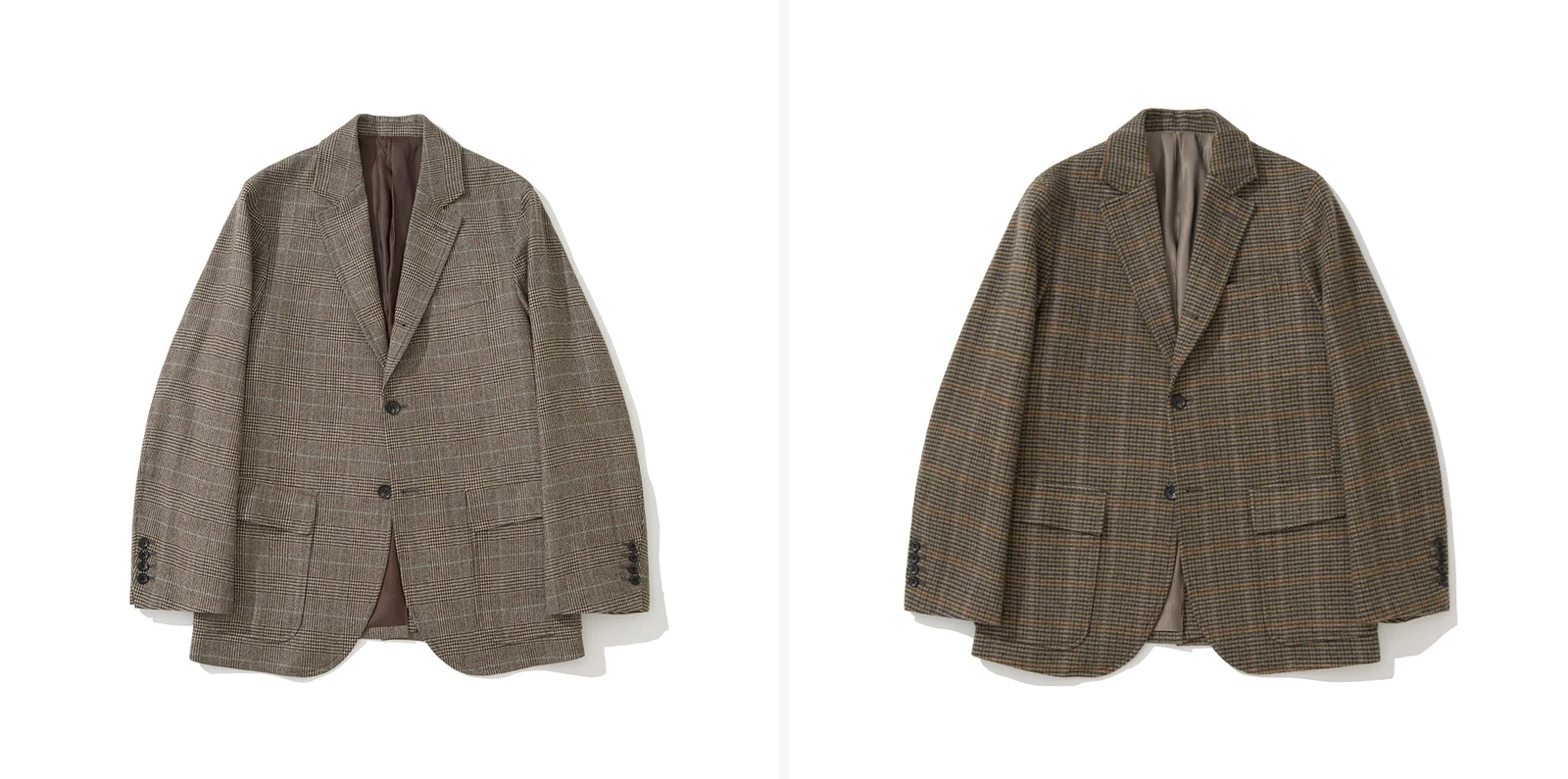
Glen Check — The Scottish Estate Weave (mid-19th century onward)
Origin. Glen Check — formally Glenurquhart check — was developed for the Glenurquhart estate in the Scottish Highlands in the mid-19th century. The weave layers two checks at different scales: a small base check (typically 4 dark + 4 light threads alternating) overlaid with a larger overcheck (typically 8 dark + 8 light) running both warp and weft. The result is a quiet textured grey from across a room and a clearly patterned cloth up close.
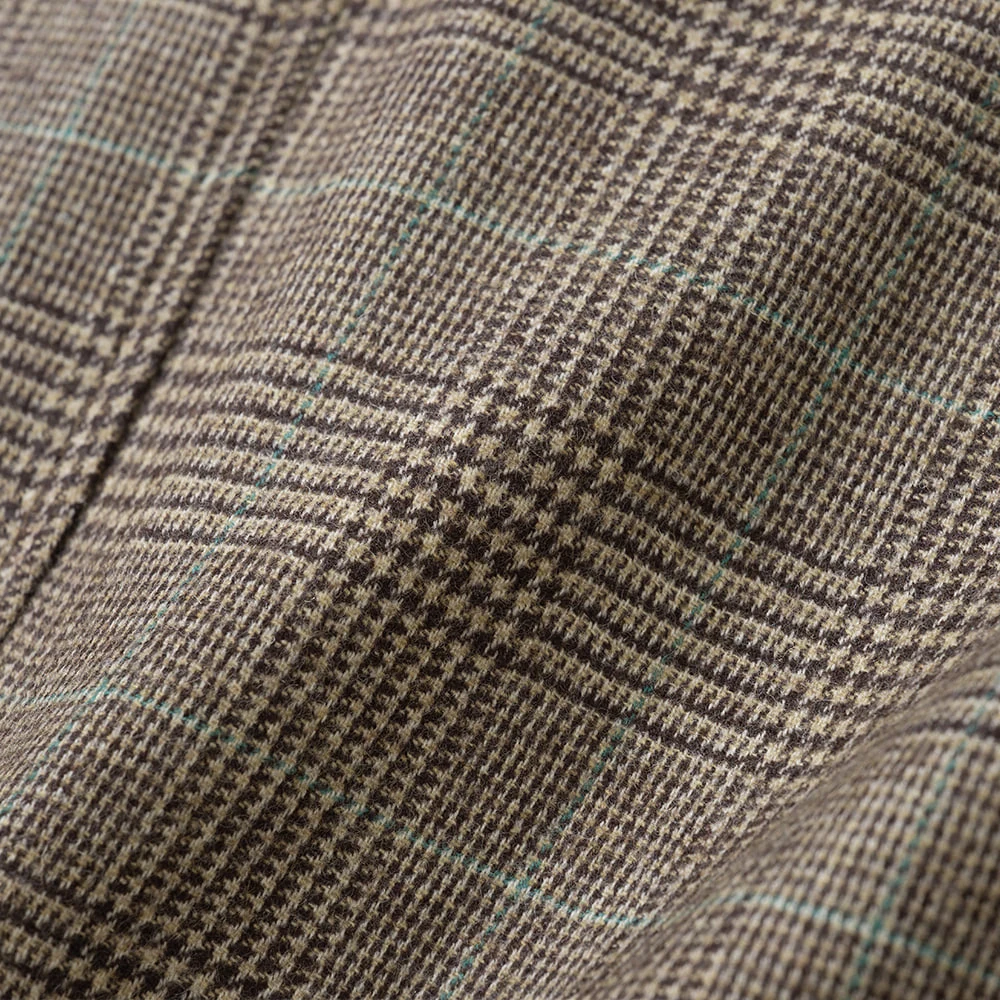
Scale and color. Trad Glen Check stays in grey, charcoal, or muted brown bases. The smaller the check scale, the dressier the cloth — small Glen Check in worsted wool reads almost solid and pairs with grey flannel for office-casual. Larger Glen Check in heavy tweed reads more country and pairs with corduroy or trad denim. Avoid black-and-white Prince of Wales (Edward VIII’s bolder reinterpretation) in standard Trad rotation; that pattern leans European and fashion-cycle.
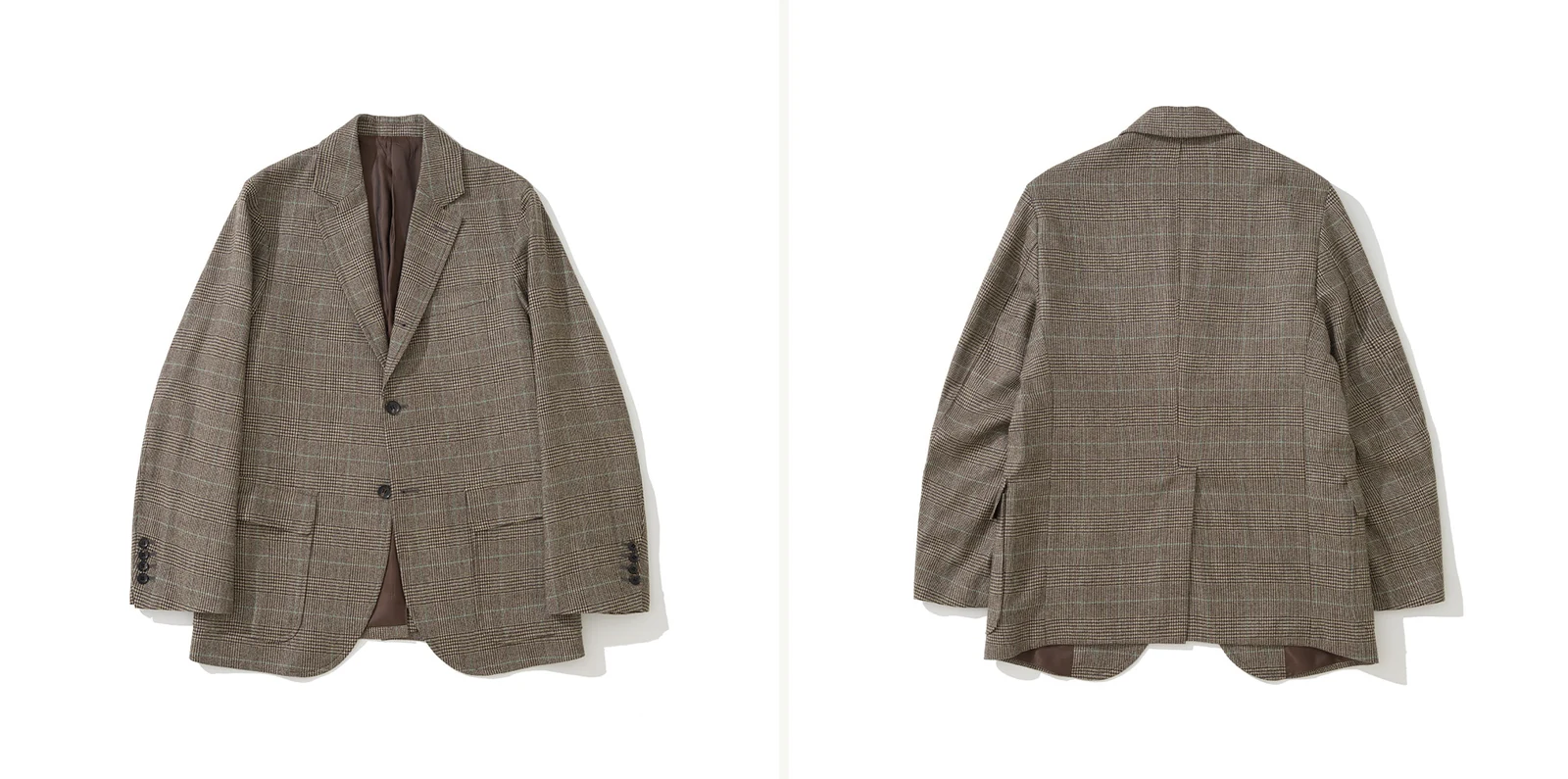
The Renacts version. The Abraham Moon Glen Check Tweed Sack Cut Blazer uses cloth woven by Abraham Moon & Sons (Yorkshire, 1837 — one of England’s last fully vertical wool mills). Mid-scale Glenurquhart check in grey, fully lined, natural shoulder, 3/2 roll, undarted front, side vents, patch pockets. The Sack Cut construction is American Trad standard — no waist suppression, no front darts, no rope-roll shoulder. Cut to wear like a J.Press 1902 model in 21st-century cloth.
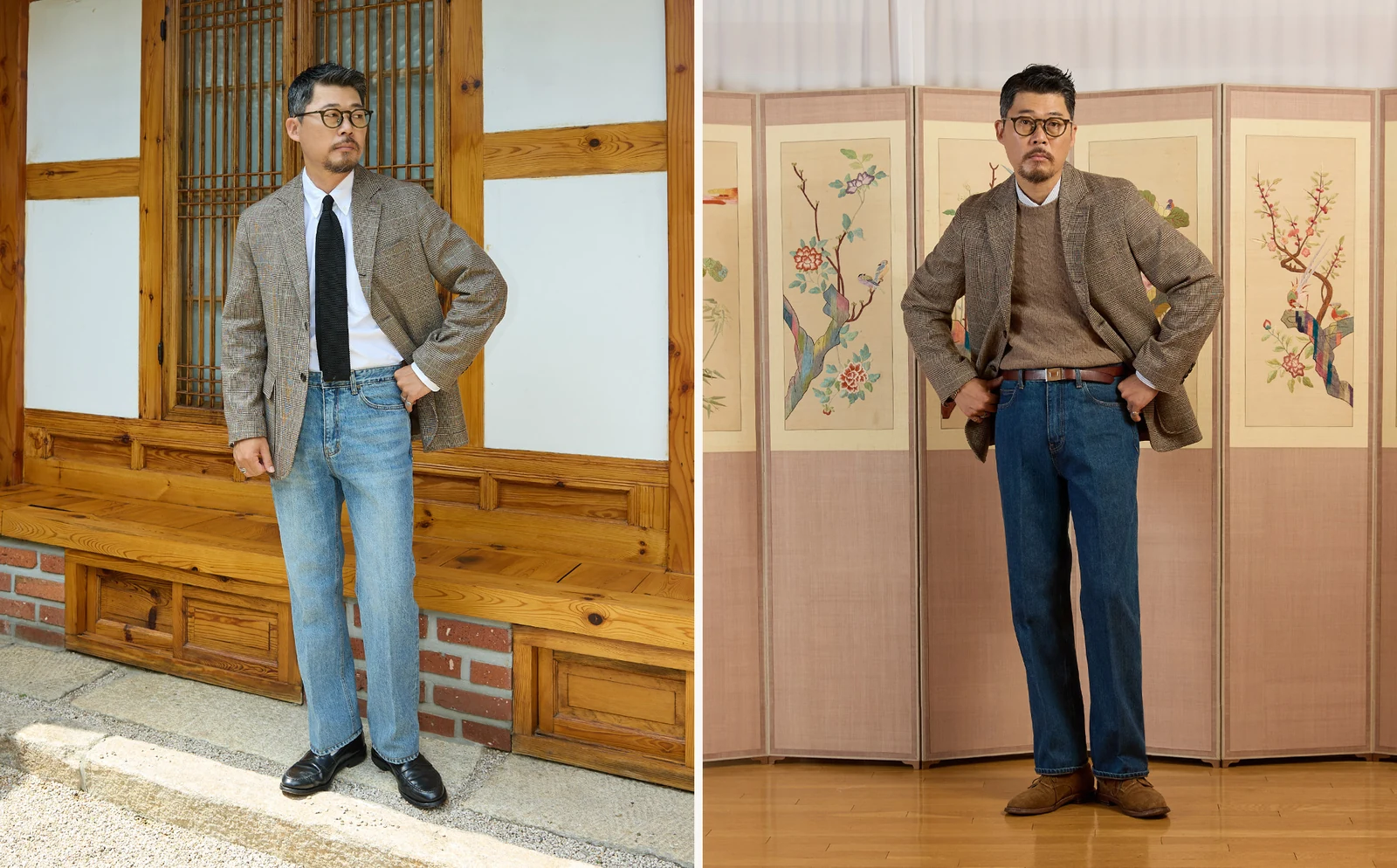
Two outfit registers. The Glen Check sport coat handles both ends of the Trad casual range. Dressed up: OCBD + black silk tie + dark denim + black penny loafer reads as evening-restaurant register without crossing into matched-suit formality. Knit-layered: crewneck cable + OCBD + denim + suede derby reads as campus weekend. The pattern carries both because Glen Check sits halfway between solid and emphatic — flexible by design.
Gun Club — The American Sporting Check (1870s onward)
Origin. Gun Club Check was developed in association with American gun clubs in the 1870s — a membership of New England sportsmen who wanted a tweed cloth with the camouflage character of Glen Check but in warmer American autumn colors. The four-color overcheck typically uses olive, brown, rust, and cream against a darker base — the palette of New England woodland in October.
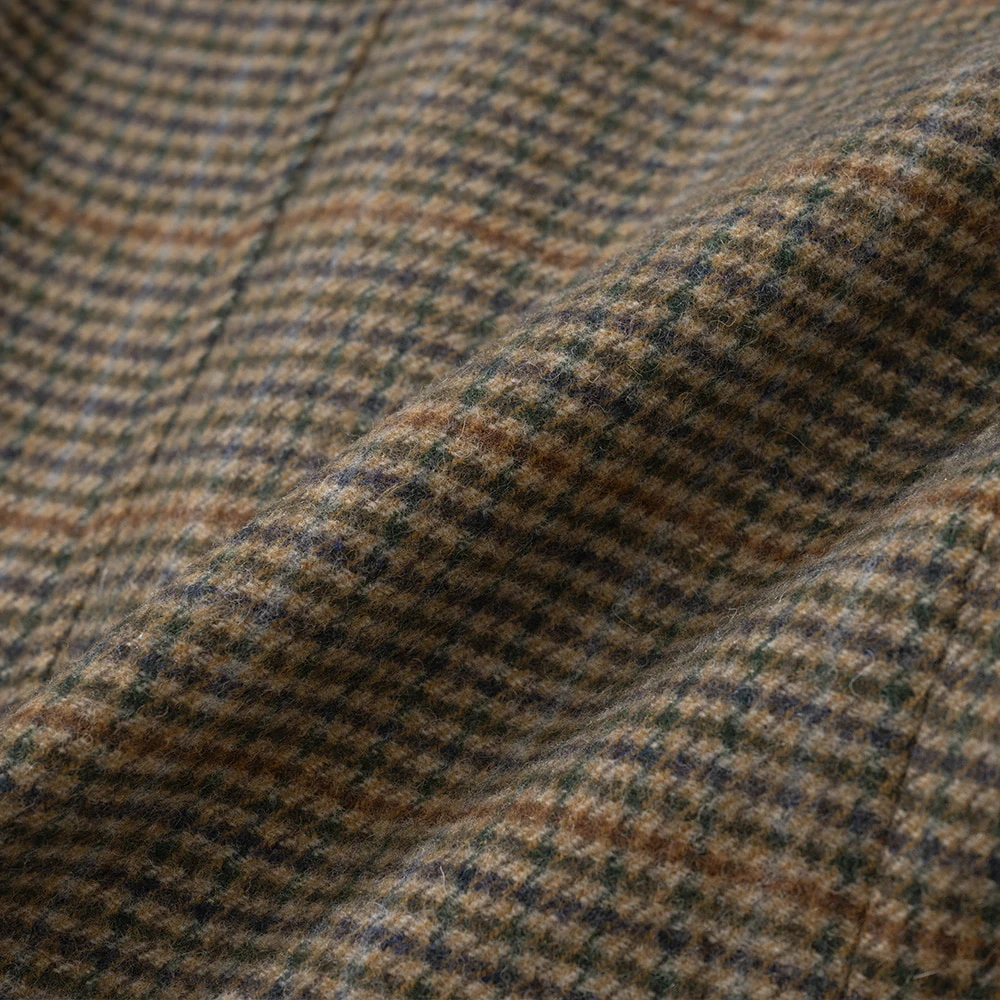
The smaller check scale is similar to Glen Check; the four-color complexity is the differentiating feature. For seven complete outfits built around the pattern, see how to wear a gun club check sport coat.
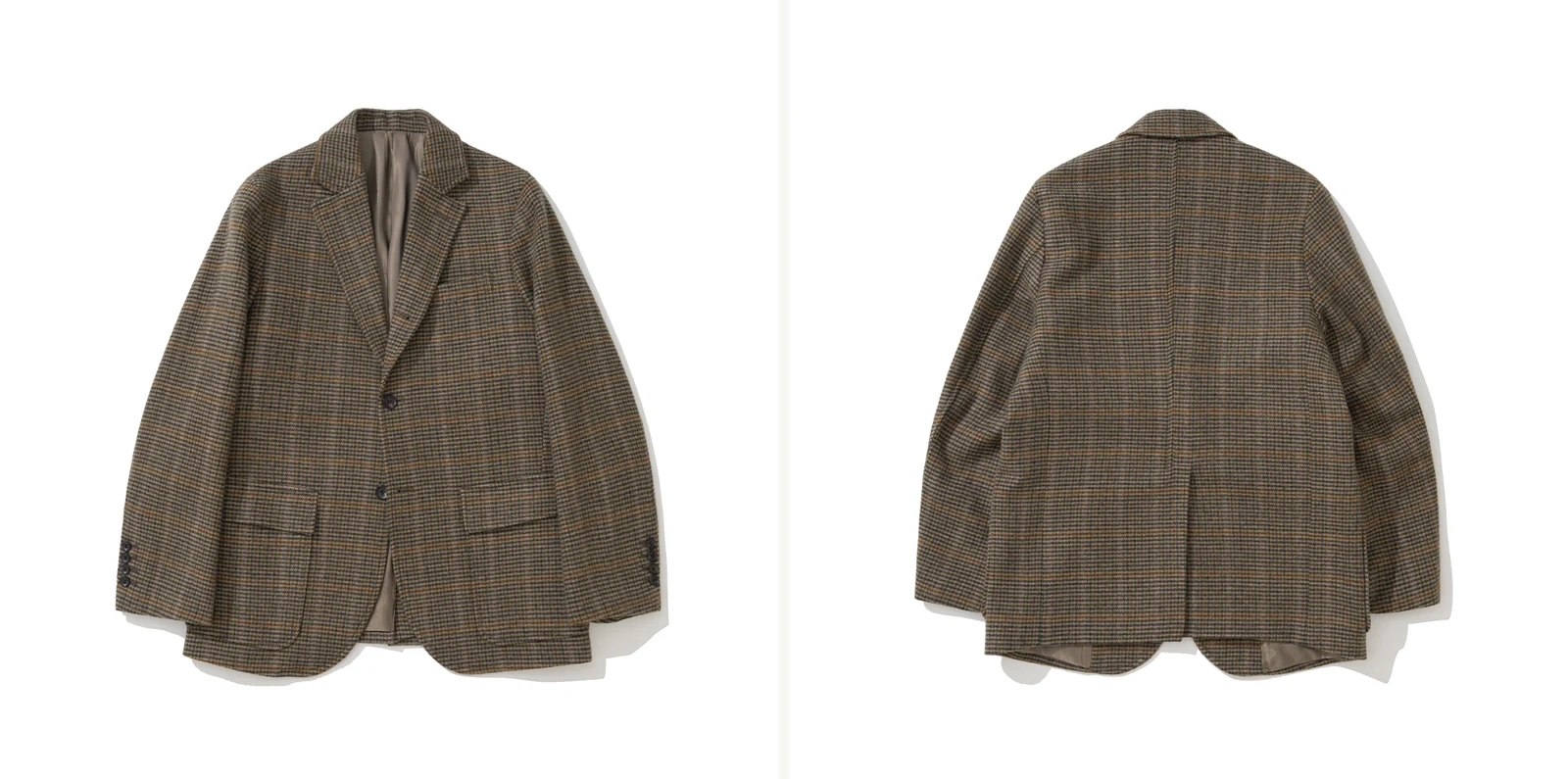
How it reads. Gun Club is bolder than Glen Check from across a room — the four-color overcheck registers as ‘patterned’ rather than ‘textured solid’ even at distance. This is autumn-specific cloth; pair with grey flannel, tobacco corduroy, or dark indigo trad denim from late September through March. Avoid pairing Gun Club with very light trousers (cream, off-white) — the warm-toned overcheck dominates against pale ground and the outfit reads top-heavy.
The Renacts version. Gun Club Check Sack Cut Blazer in the same construction philosophy as the Glen Check piece — fully lined, natural shoulder, 3/2 roll, undarted, side vents, patch pockets. The cloth uses the olive-brown-rust-cream four-color palette that defines authentic Gun Club; not all jackets sold under the name honor the four-color rule (some shortcut to two-color overchecks), so the color count is the diagnostic detail.
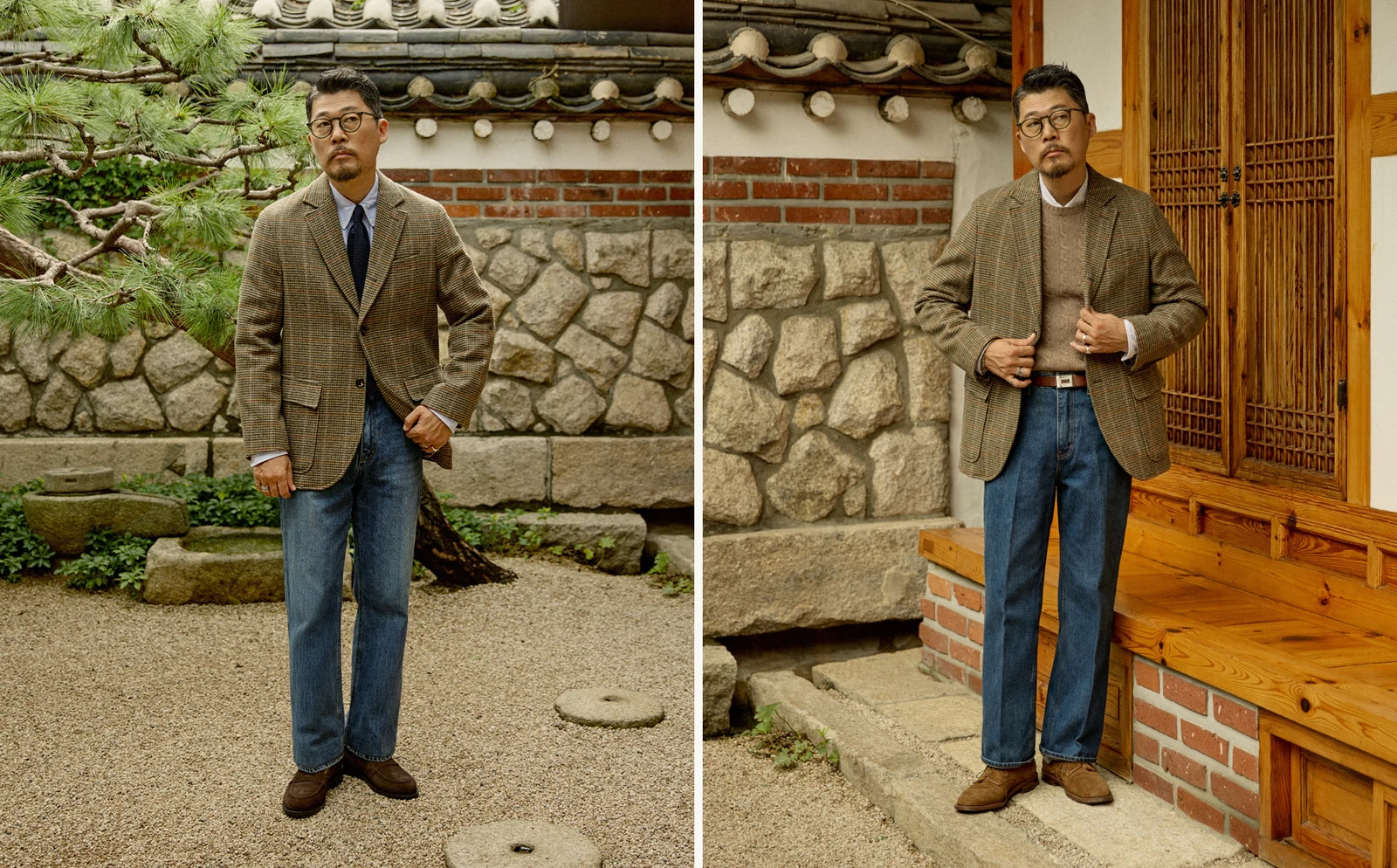
Two outfit registers. Saturday tailored: OCBD + knit tie + dark denim + suede penny loafer is the canonical Gun Club outfit — the four-color tweed anchors a quiet shirt and tie. Knit-layered: crewneck cable + OCBD + denim + suede derby works the same way Glen Check does, but with more visual emphasis on the jacket pattern. The Gun Club + crewneck combination reads autumn-campus rather than year-round-versatile; that’s the trade-off for the bolder pattern.
Glen Check vs Gun Club — The Practical Comparison

The two patterns differ on three axes that matter for daily Trad rotation:
Season. Glen Check is year-round in lightweight worsted; winter-only in heavy tweed. Gun Club is autumn-specific — the warm four-color palette doesn’t translate to spring or summer. Build Glen Check first if you only own one pattern.
Volume. Glen Check stays quiet from distance; Gun Club projects pattern from across a room. Glen Check works under solid blazers and matched suits in the same wardrobe without competing; Gun Club asserts itself and anchors whatever outfit it joins.
Pairing range. Glen Check pairs with grey flannel, charcoal worsted, tobacco corduroy, dark indigo, dark olive, dark cream. Gun Club pairs with grey flannel, tobacco corduroy, dark indigo, dark brown — the lighter colors don’t work because the warm overcheck dominates. Gun Club has narrower pairing range; build the trouser shelf accordingly.
Build Order — Glen Check First, Gun Club Second
If you’re building a sport coat shelf with two patterns, the order is settled: Glen Check first, Gun Club second. Glen Check fills the year-round versatile slot and pairs with everything the Trad wardrobe carries. Gun Club fills the autumn-specific slot and provides emphatic pattern when you want the jacket to do the visual work. Owning both gives you a tweed pattern for every register of weekend dressing from September through March; the rest of the year, see our Sport Coat Essentials guide for tropical wool and linen options.
Both Renacts pieces are cut in the Sack Cut tradition — natural shoulder, 3/2 roll, undarted front, side vents, patch pockets, fully lined. This is the American Trad construction standard that J.Press, Brooks Brothers, and The Andover Shop have refined for over a century. Renacts retails them as 블레이저 per Korean menswear convention — see the naming note in the Sport Coat Essentials guide for context.
Once you’ve built the wardrobe in this order, the five outfit formulas in our Sport Coat Outfits guide show how each jacket actually wears across the Trad register.
Why It Still Matters in Seoul
Seoul’s autumn — late September through November — is the exact climate Glen Check and Gun Club were designed for: cool but not yet cold, dry, with the kind of low directional light that makes patterned wool catch and shift. October Saturday in Hannam-dong with a Glen Check sport coat over OCBD and grey flannel reads identically to a 1962 New Haven Saturday — only the geography moves; the pattern rules stay.
For pairings beyond what’s shown here, see Gun Club Check Sport Coat: 7 Fall Outfits (outfit by outfit), Blazer + Chinos: The Smart-Casual Formula (the rules translate directly), the Trad Denim Lookbook (sport coat sections), and How to Wear a Sack Suit (the construction parallel). For the broader Ivy register, start at the Ivy Style Guide.