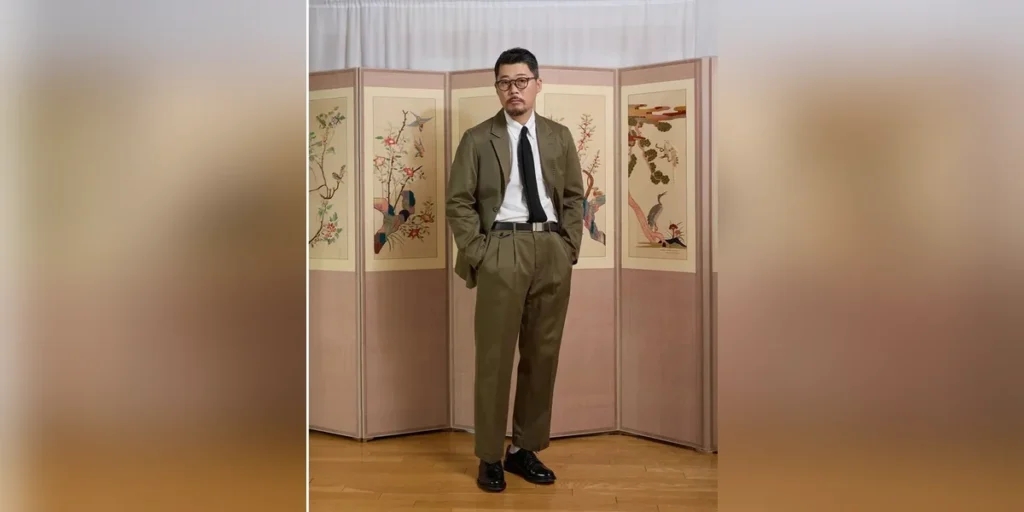
The Sack Suit: An American Trad Fabric Guide
Every sack suit guide starts with the same question: what makes it different from every other suit on the rack? The answer isn’t about fabric or color. It’s about philosophy. The sack suit is the only suit designed to make a man look relaxed rather than powerful. No padded shoulders. No nipped waist. No armor. Just soft, natural cloth draped over a human body.
This sack suit guide is the pillar resource for understanding every fabric in the Ivy League suit tradition — bookmark it and return whenever you’re choosing your next suit.
Brooks Brothers introduced their “Number One Sack Suit” in 1901. The design was radical for its time: natural shoulders with minimal padding, a three-button front where the top button is hidden behind a lapel that rolls to the middle button (the famous 3/2 roll), an undarted body that falls straight from chest to hip in a clean box silhouette, and a single rear vent. No darts meant no hourglass figure. The suit didn’t sculpt. It suggested.
Ivy League students adopted it wholesale by the 1920s, and by the 1950s it was the unofficial uniform of every campus from Harvard to Princeton. But the sack suit isn’t one garment — it’s a family. The silhouette stays constant. The fabric changes everything. This guide covers the seven essential fabrics you need to know, from lightweight summer cotton to heavy winter wool, each one shifting the suit’s personality while keeping that unmistakable natural shoulder line intact.
Jump to: What is a sack suit · Fabrics at a glance · Cotton · Wool · Corduroy · Seersucker · Madras · Heavy wool · Black Watch · FAQ
What Is a Sack Suit?
A sack suit is a single-breasted suit cut with no shoulder padding and no waist darts. The body hangs straight from chest to hip. That straight line is the entire idea.
Brooks Brothers formalized the cut as the “Number One Sack Suit” in 1901. Keikari’s history of the sack cut traces how it went on to govern American dress for six decades.
Five details define a sack suit:
- Natural shoulder — no padding. The seam follows your own shoulder line.
- 3/2 roll — three buttons, but the lapel rolls past the top one to the middle button.
- Undarted front — no vertical seams at the waist, so the jacket never nips in.
- Single hook vent — one center vent at the back.
- Soft construction — minimal canvas and lining, so the cloth moves with you.
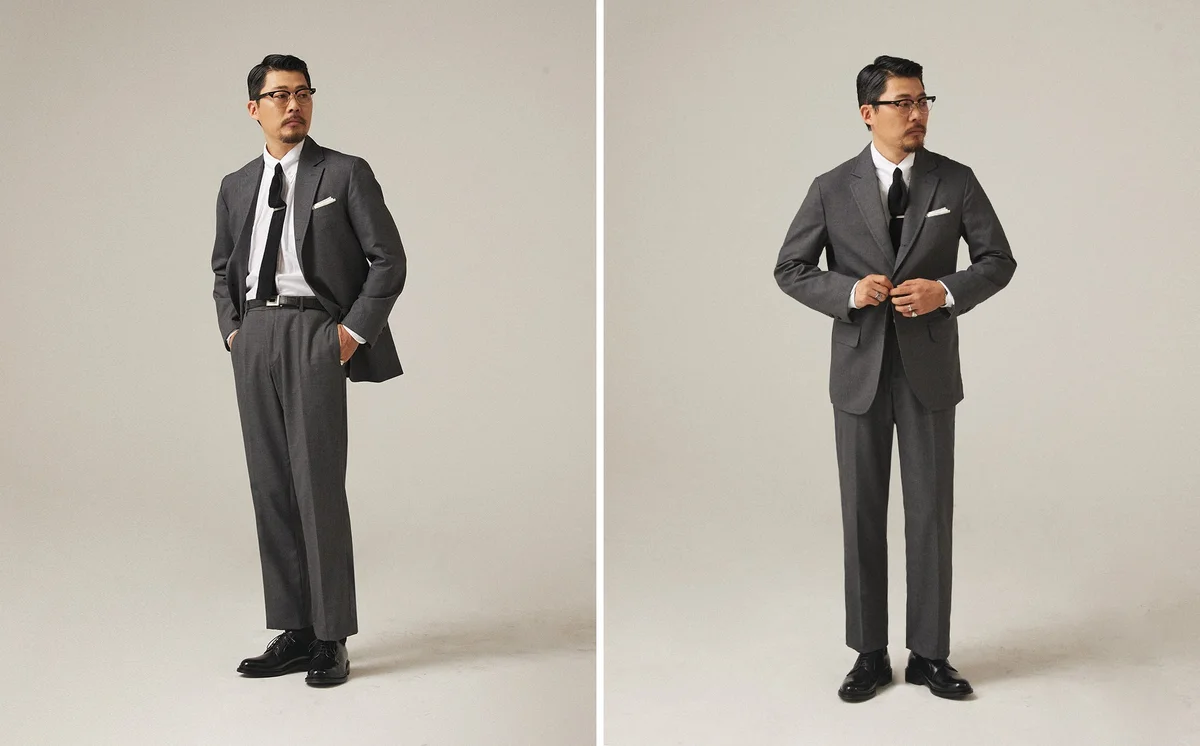
Take any one of those away and you have a soft-shouldered suit, not a sack suit.
Sack Suit Fabrics at a Glance
Seven fabrics, one silhouette. The cut never changes — the cloth changes everything. Prices are current Renacts jacket-and-trouser sets.
| Fabric | Cloth | Season | Set |
|---|---|---|---|
| Cotton | 100% HISHITOMO cotton, garment-washed | May–September | $450 |
| Wool, three-season | Oldgate of England 55% wool / 45% poly, Merino trousers | September–May | $570 |
| Corduroy | 100% cotton corduroy | Late fall–winter | $480 |
| Seersucker | 100% HISHITOMO cotton seersucker | Peak summer | $480 · shorts $440 |
| Madras | 100% cotton patchwork madras | June–August | $440 · jacket sold out |
| Heavy wool herringbone | 100% KATORI wool, 412.5 g/m (about 12 oz) | Deep winter | $584 |
| Black Watch tartan | KATORI wool / Merino blend | Year-round | $514 |
Cotton Sack Suit: The Three-Season Workhorse
Cotton is where most people should start. It’s the most forgiving fabric in the sack suit family — wrinkles are expected, even welcomed, and the price point is lower than wool. A cotton sack suit in olive is the single most versatile suit a man can own in Seoul’s climate. (Note on Renacts naming: what English-language menswear writing calls olive is sold under the Korean naming convention as khaki; what English calls khaki is sold as beige. The product specs below reflect Renacts’ Korean-market naming.)
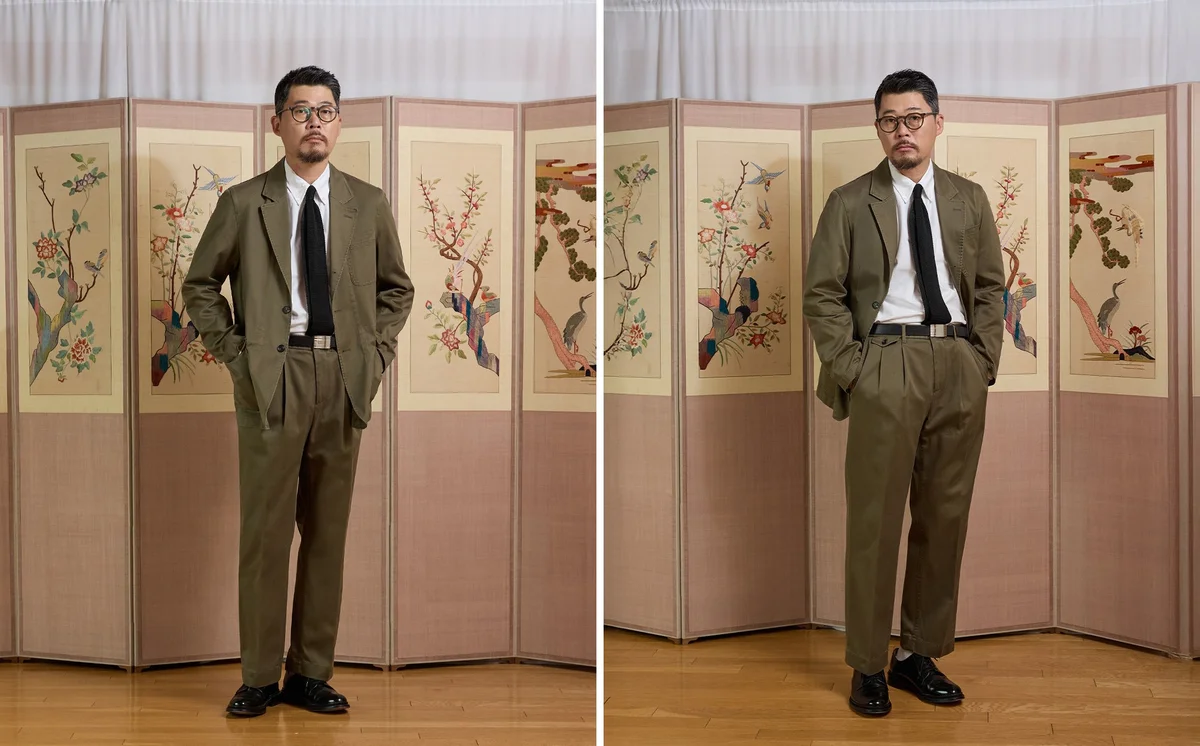
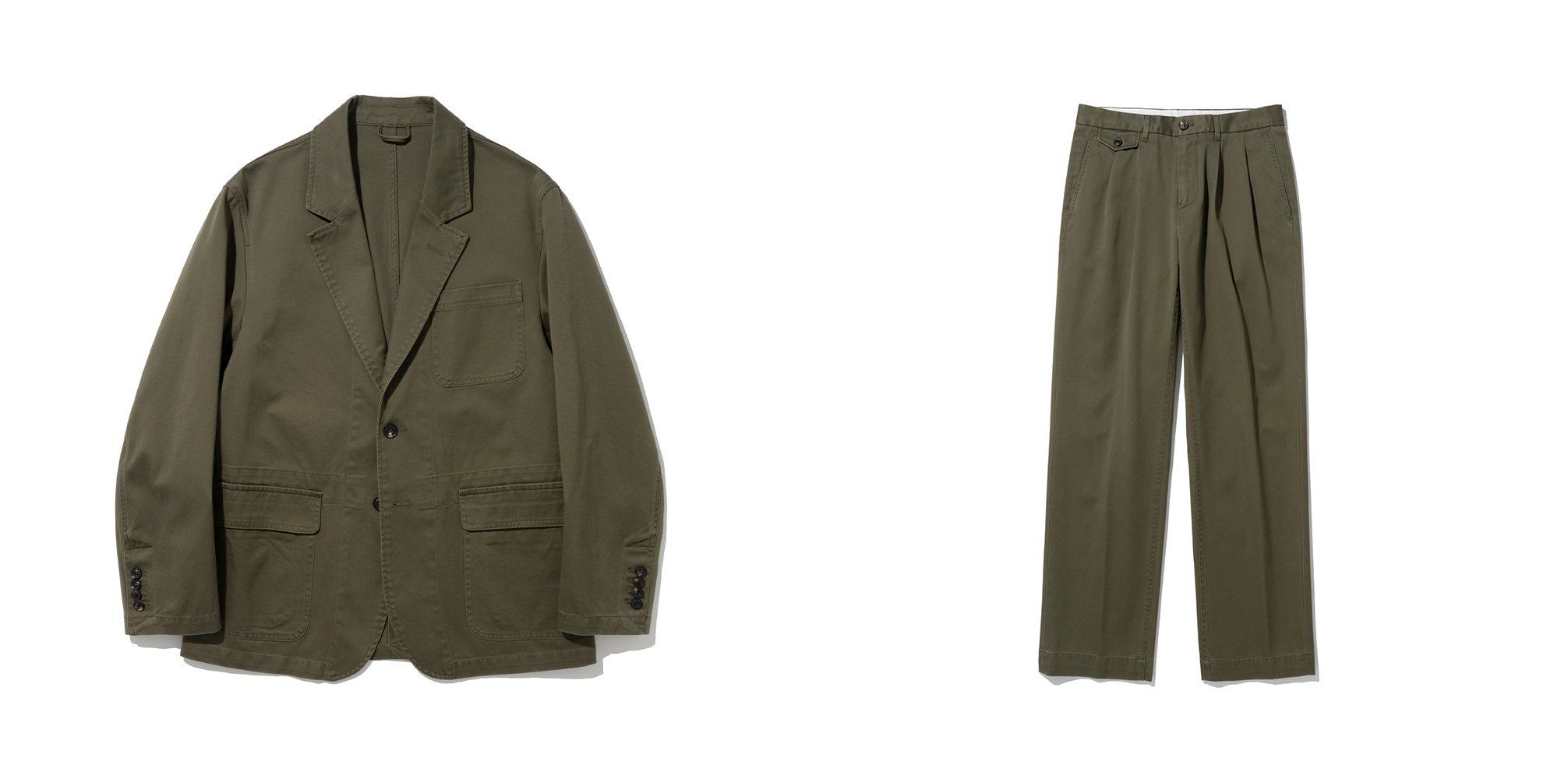
Seoul gets genuinely hot from May through September. Wool works for maybe four months. Cotton covers the rest. The fabric breathes, it softens with every wash, and the wrinkles that would ruin a worsted wool suit actually give cotton character. Think of it as the suit that improves with wear.
Style it simply. An oxford button-down in white or blue, no tie, penny loafers. The olive color pairs with almost any shirt you own. For cooler spring mornings, layer a crewneck sweater underneath the jacket. Cotton sack suits run slightly more casual than wool, so save them for everything except the most formal business settings.
How to wear it: a white OCBD, always tucked. A navy knit tie adds texture without competing with the suit’s clean lines. Burgundy penny loafers — more interesting than brown, less predictable than black.
Wool Sack Suit: The Navy Standard
Navy wool is the sack suit in its purest, most essential form. If the cotton version is the workhorse, navy wool is the dress uniform. Every Ivy wardrobe needs one.

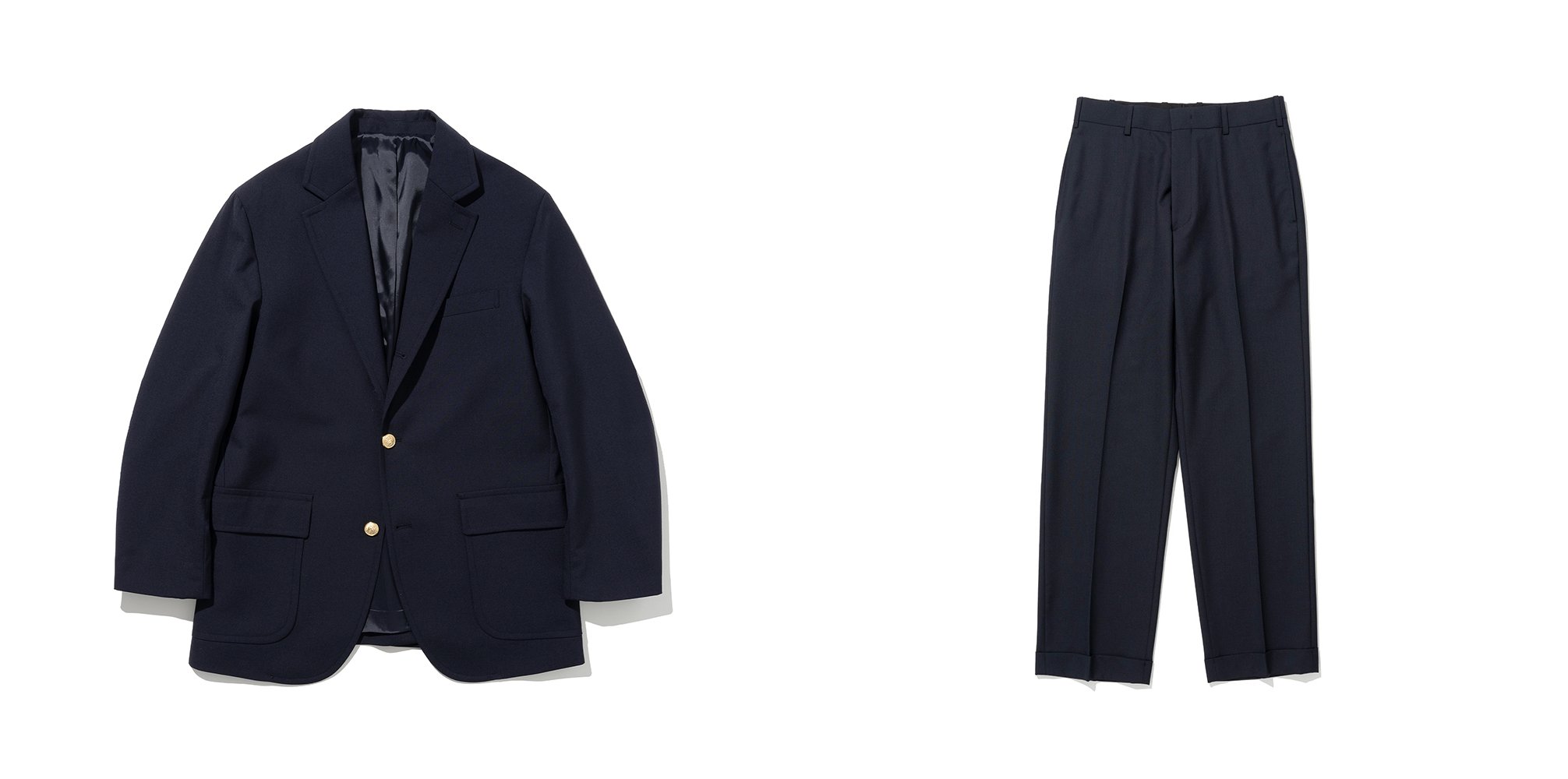
A three-season wool — typically around 9-10 oz — handles Seoul’s spring and fall beautifully. It drapes better than cotton, holds a crease longer, and the natural shoulder looks its sharpest in a medium-weight worsted. The 3/2 roll lapel really sings in navy wool because the fabric has enough body to hold the roll without flopping.
This is the suit you wear when you actually need to look like you own a suit. Job interviews. Weddings. Client dinners. Pair it with a white OCBD and a repp tie for the full Ivy uniform, or dress it down with a blue button-down, no tie, and brown loafers.
Navy wool forgives almost any combination you throw at it. Just keep the shoes brown or burgundy — black shoes with a sack suit always look wrong, like wearing sneakers with a tuxedo.
How to wear it: a light blue OCBD softens the grey better than white does under office light. Add a regimental tie in navy and burgundy. Dark brown derbies keep it professional without going funereal.
Corduroy Sack Suit: The Academic’s Armor
Corduroy is the fabric that screams “I read books for fun.” There’s no fighting it. A corduroy sack suit belongs in lecture halls, used bookstores, and campus walkways in October. Embrace the association.
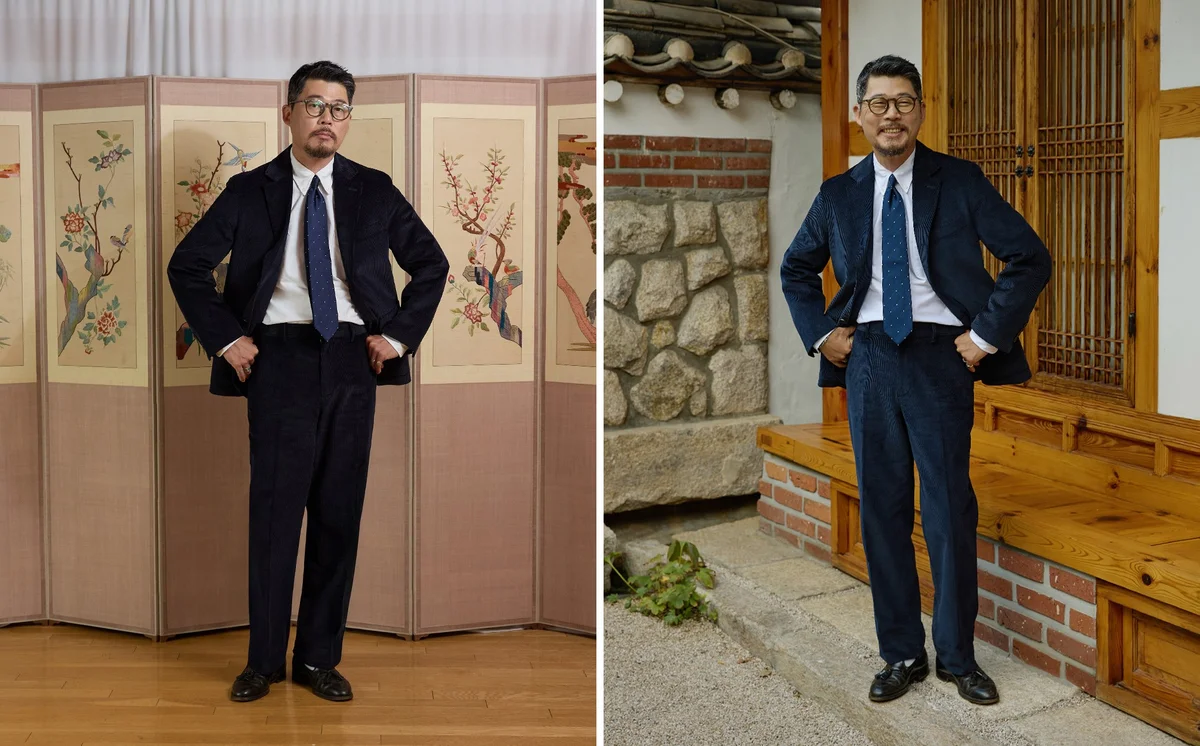
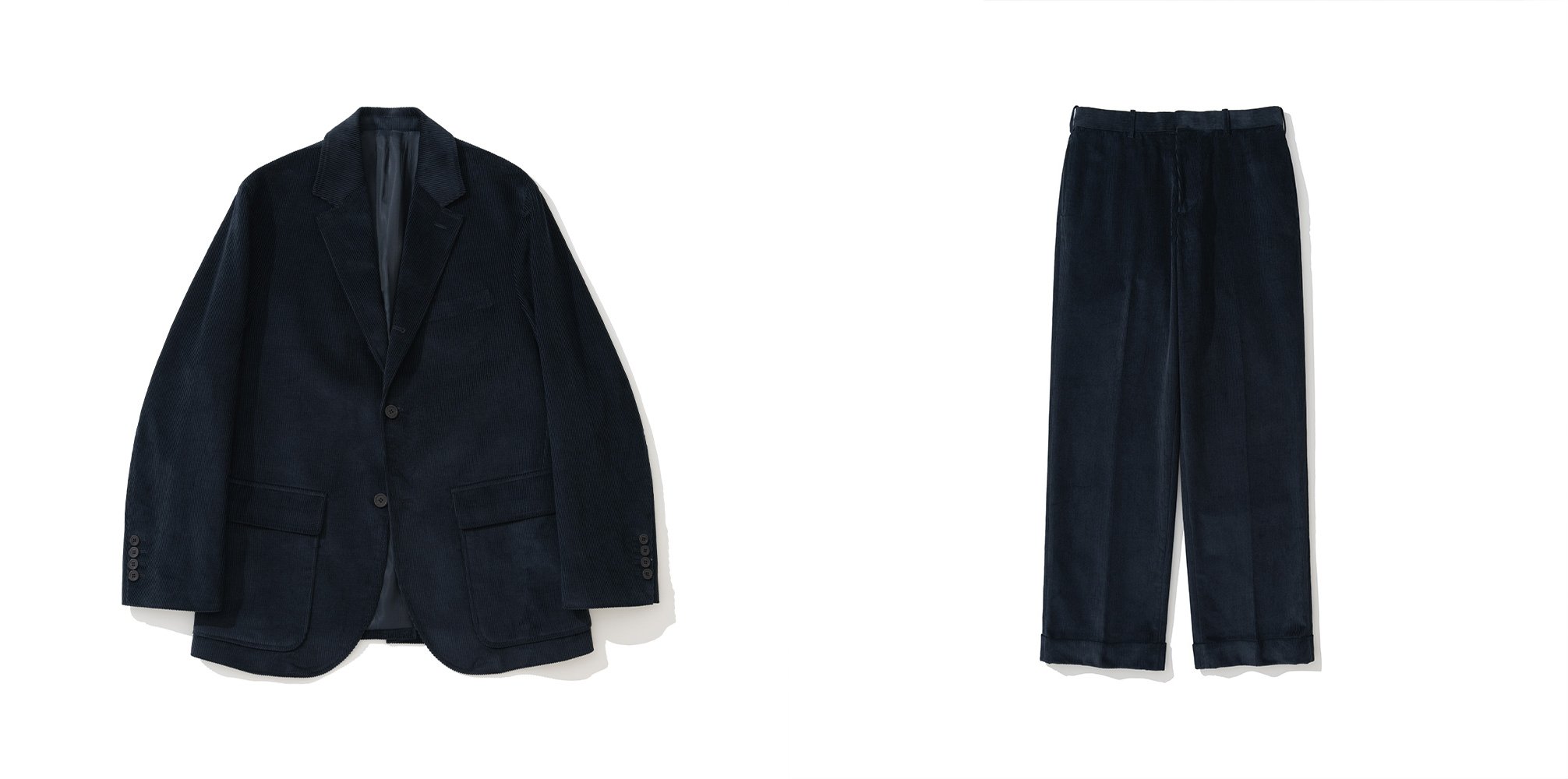
Navy corduroy is the smartest choice. It reads dressier than tan or olive, and the wale texture adds visual weight that works perfectly with the sack suit’s unstructured shoulders. The suit looks intentional rather than sloppy — a real risk with wider-wale corduroy in lighter colors.
One thing to keep in mind: corduroy is warm. This is a late-fall-through-winter fabric in Seoul, roughly November to February. Layer a fair isle vest under the jacket for the full professorial look, or keep it clean with a chambray shirt and knit tie.
Corduroy also ages beautifully. The wales flatten and develop a slight sheen at wear points — elbows, seat, knees — that gives the suit a lived-in quality no other fabric can replicate.
How to wear it: an ecru oxford is the base — cream against brown reads rich rather than loud. A forest green wool knit tie pulls in the season. Natural leather penny loafers, or a suede derby.
Seersucker Sack Suit: Summer’s Only Suit
Seersucker is the only fabric that makes wearing a suit in July feel reasonable. The puckered weave creates tiny air channels between the cloth and your skin. It’s not magic — you’ll still sweat in Seoul’s August humidity — but it’s the closest thing to air conditioning you can sew into a jacket.
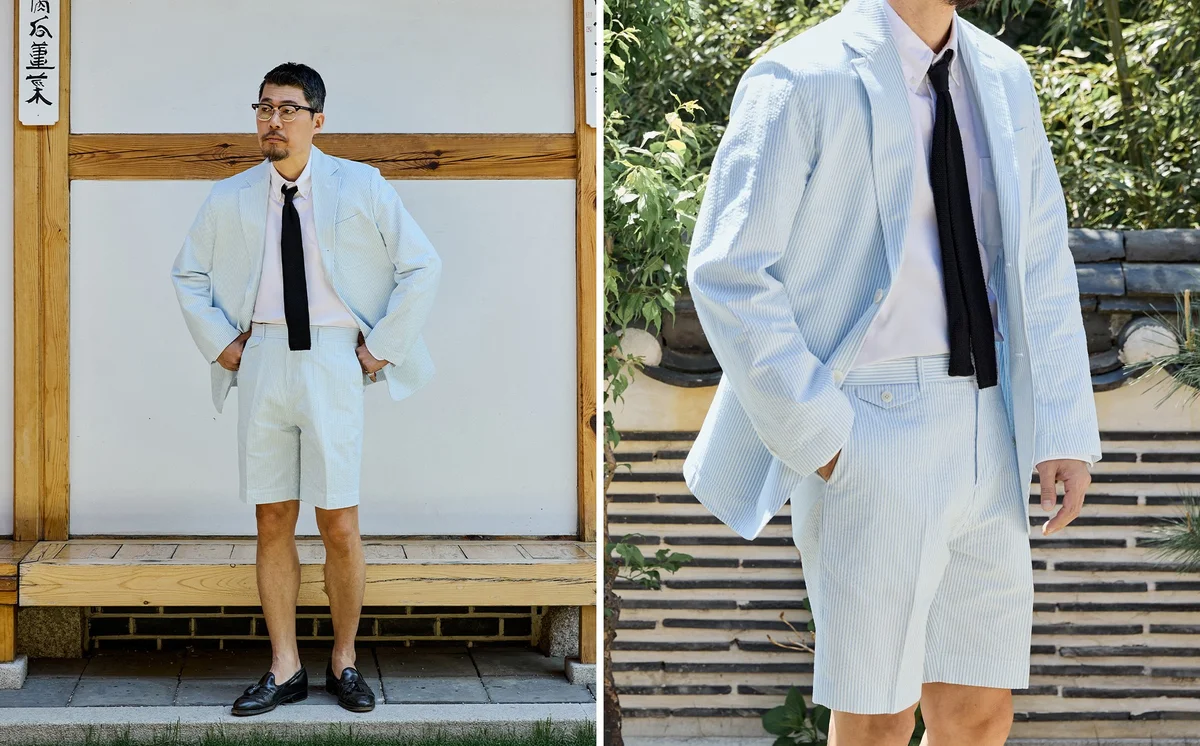
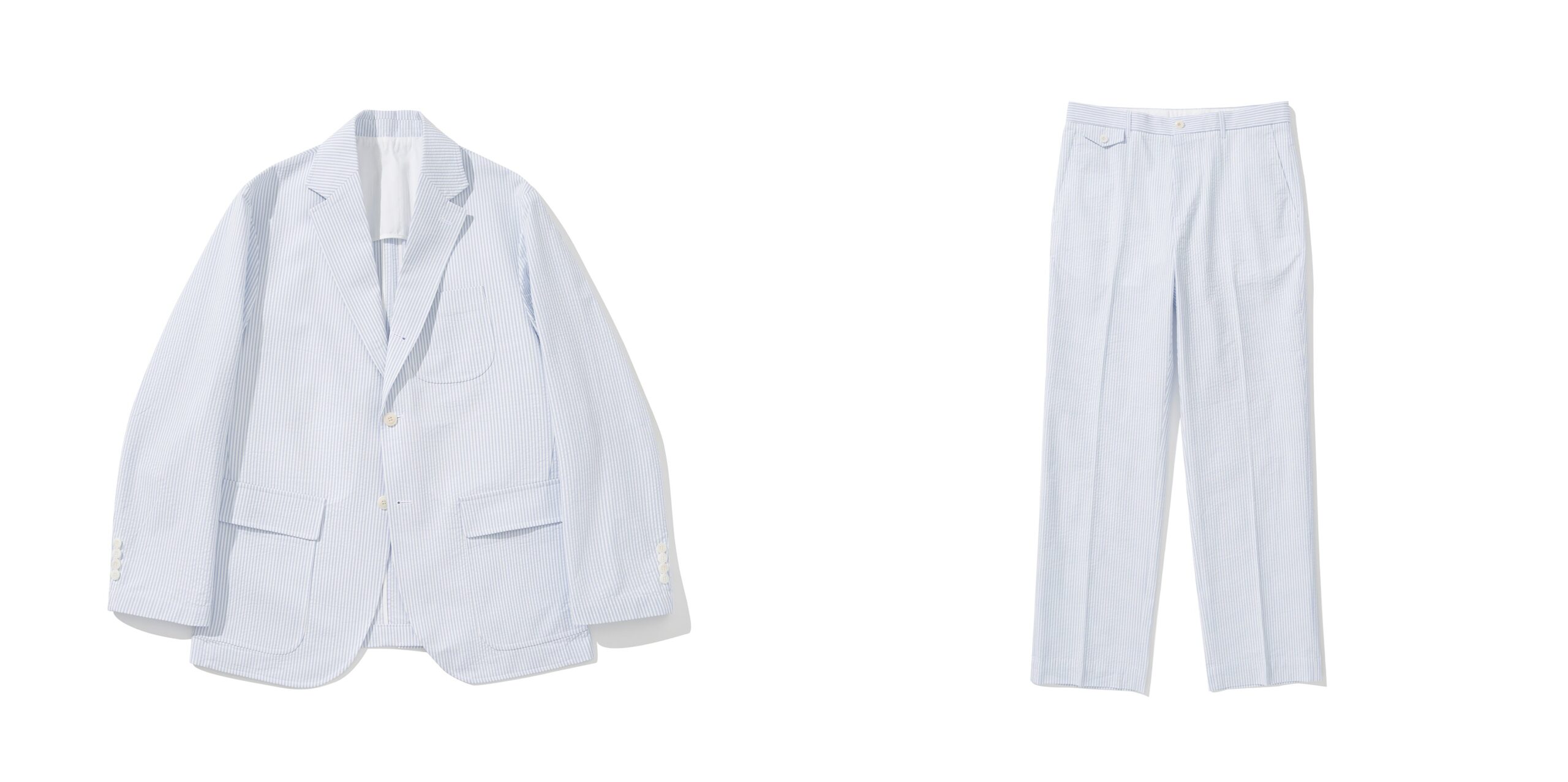
A sky blue seersucker suit, especially in a shorts version, is peak summer Ivy. Hot take: seersucker shorts suits look better than full-length ones. The whole point of this fabric is that it’s casual and seasonal. Shorts commit to the bit. Long trousers in seersucker sometimes look like you’re trying to be formal in a fabric that refuses formality.
Wear it with a white OCBD, sleeves rolled once, and penny loafers with no socks. Don’t overthink seersucker. The fabric does all the talking.
One warning: seersucker wrinkles look great on the first wear but can get genuinely messy by the end of a long day. Hang it immediately after wearing. No dry cleaning needed — a gentle wash and air dry keeps the pucker intact.
How to wear it: keep the shirt white and tucked. Swap the leather belt for a navy grosgrain ribbon, which does not turn sticky in humidity. A madras or light cotton tie in muted tones finishes it.
Madras Sack Suit: The Ivy Summer Signature
If seersucker is summer’s practical choice, madras is its bold one. Madras plaid sack suits were a J. Press and Polo Ralph Lauren signature through the 1960s and ’70s — the kind of garment that announces you’re not just wearing Ivy style, you’re living it.
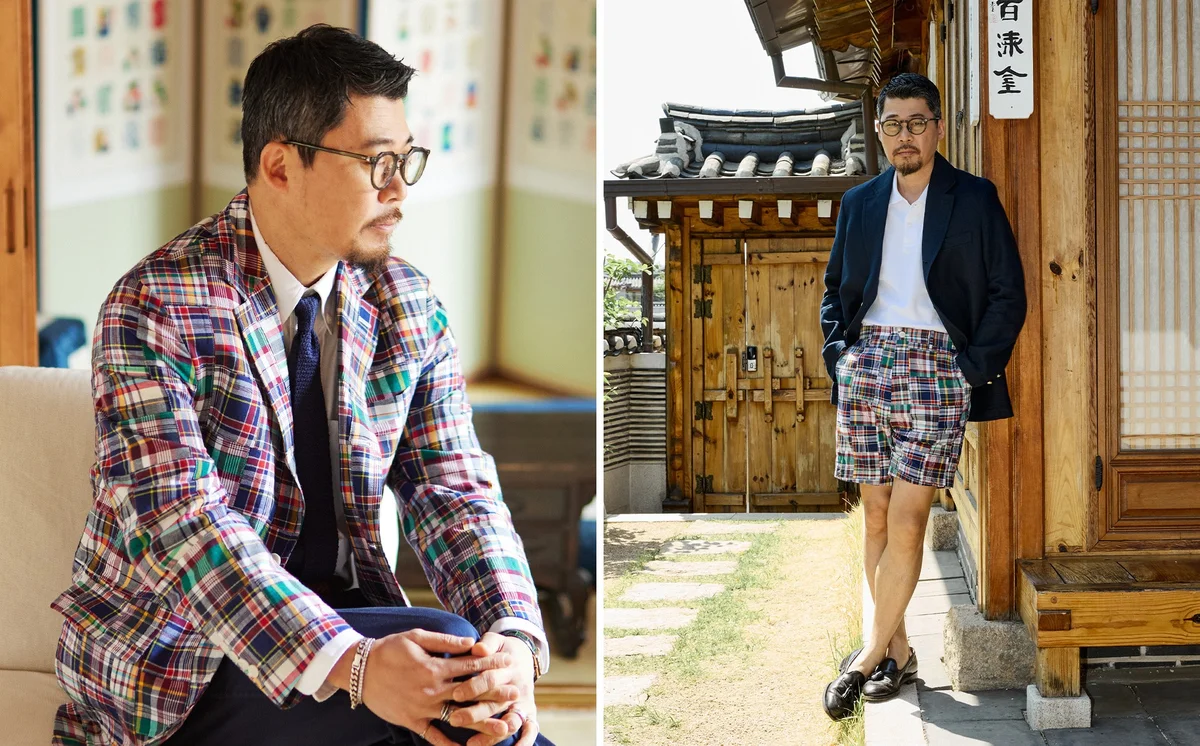
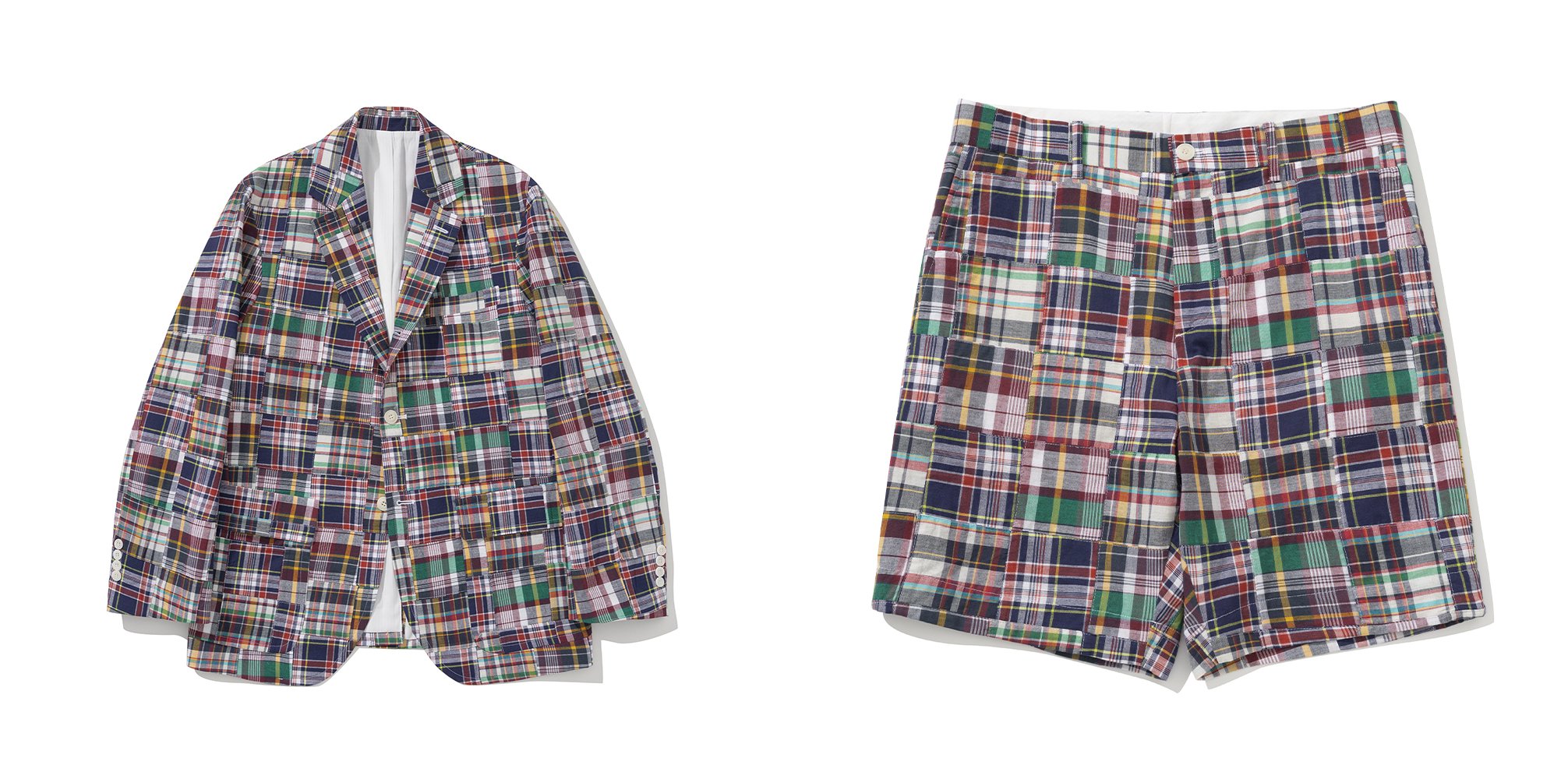
Madras is hand-woven cotton from India, traditionally dyed with vegetable dyes that bleed and fade with washing. The bleeding is the point. A new madras jacket looks loud. A washed one looks storied. The colors soften into each other, creating patterns unique to your specific garment.
Fair warning: a full madras suit is a statement. Most men are better served by a madras sport coat paired with plain khaki chinos or white shorts. But if you have the confidence, a madras sack suit at a summer garden party is unbeatable. Keep everything else quiet — white shirt, simple loafers, no tie. Let the fabric carry the entire outfit.
In Seoul’s context, think of it as your weekend Hangang picnic suit. Nobody’s wearing this to the office.
How to wear it: a white OCBD keeps the top half quiet so the plaid can do the work. Skip the tie — this is not a tie outfit. Natural tan penny loafers and a woven leather belt hold the colors together.
Heavy Wool Sack Suit: The Number One
This is the original. When Brooks Brothers cut their Number One Sack Suit in 1901, they cut it from heavy wool — a dense, tightly woven fabric built for New England winters. Charcoal heavy wool is the most serious version of the sack suit. It’s the foundation the entire family was built on.
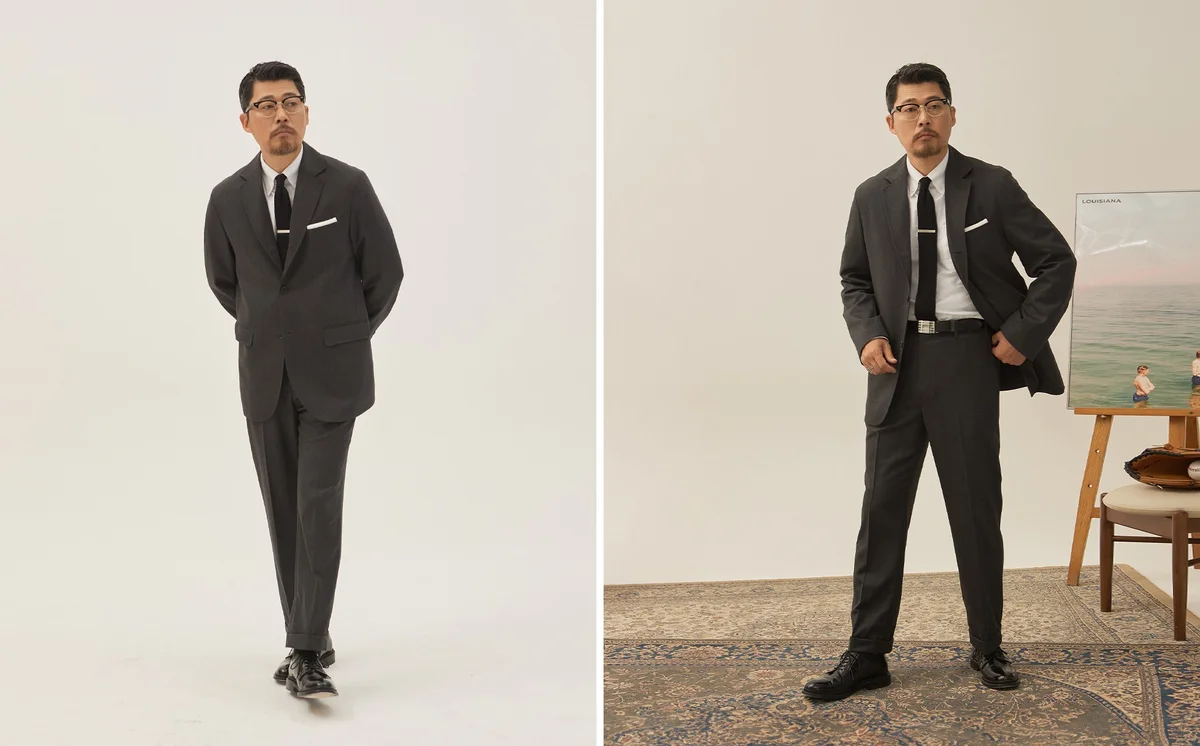
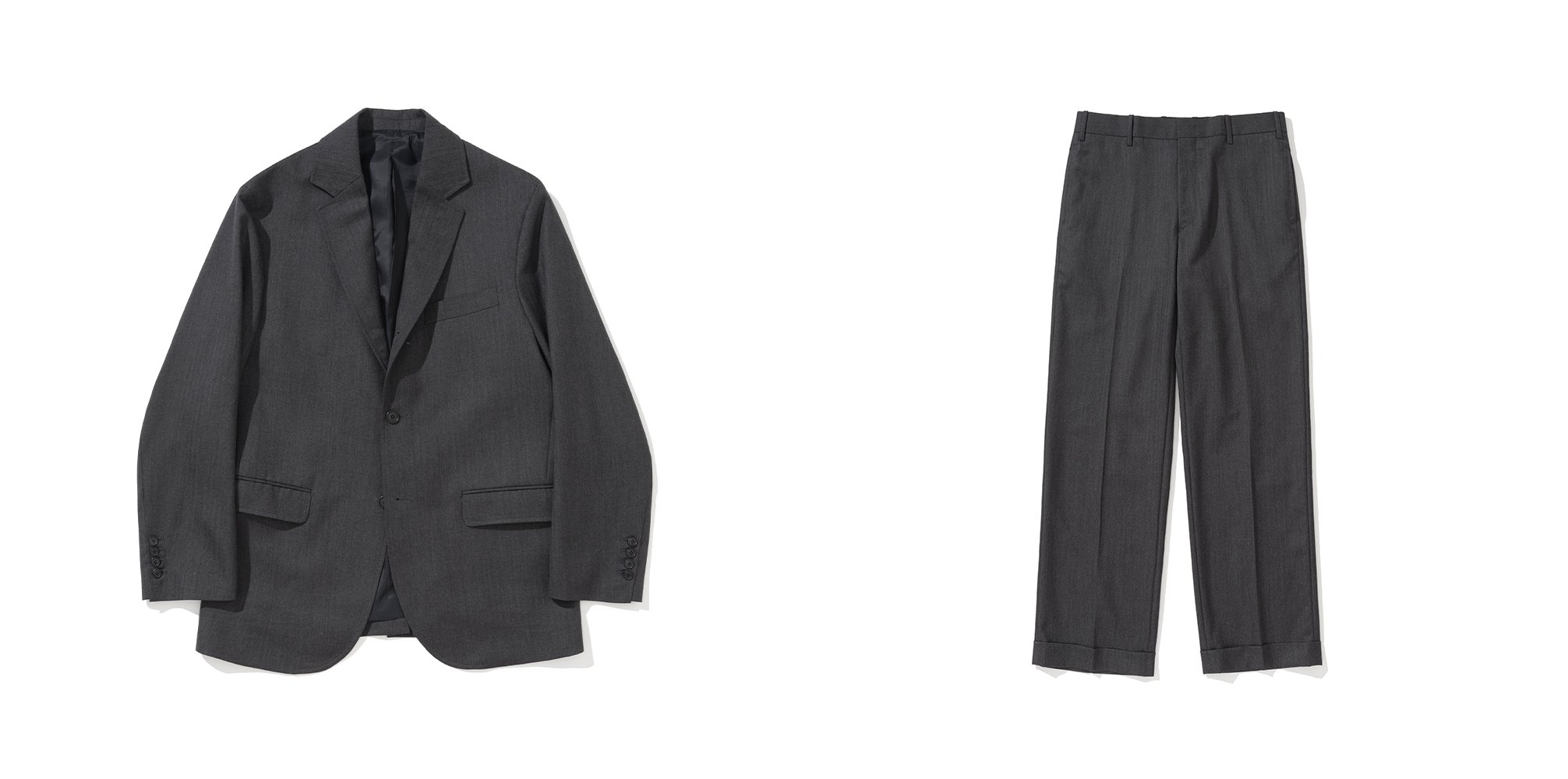
Heavy wool (12 oz and above) does something no lighter fabric can: it drapes with real weight. The natural shoulder falls cleanly, the undarted front hangs straight without any rumpling, and the jacket holds its shape even after hours of sitting. This is the sack suit that looks best in photographs because the clean lines stay clean.
In Seoul, this is your December-through-February suit. Pair it with a white or ecru OCBD, a dark knit tie, and a heavy crewneck sweater layered under the jacket. Charcoal heavy wool is also the only sack suit fabric that works properly with a topcoat — lighter fabrics bunch up under overcoats, but heavy wool sits flat.
Blunt opinion: if you only own one formal suit, make it charcoal heavy wool in a sack cut.
How to wear it: a cream oxford gives contrast against charcoal. A burgundy knit tie adds the one point of color that winter needs. Dark brown derbies with a leather sole — rubber soles look wrong here. For what made the Number One the Number One, and the herringbone restoration of it, see the Number One section of our sack suit history.
Black Watch Sack Suit: The Statement Piece
Black Watch tartan — that deep navy-and-green plaid — is the pattern that bridges the gap between “suit” and “personality.” It’s recognizable without being loud. Dark enough for evening, interesting enough for a Saturday afternoon. Layered with a cricket knit sweater, it becomes the most distinctly Ivy outfit in your closet.
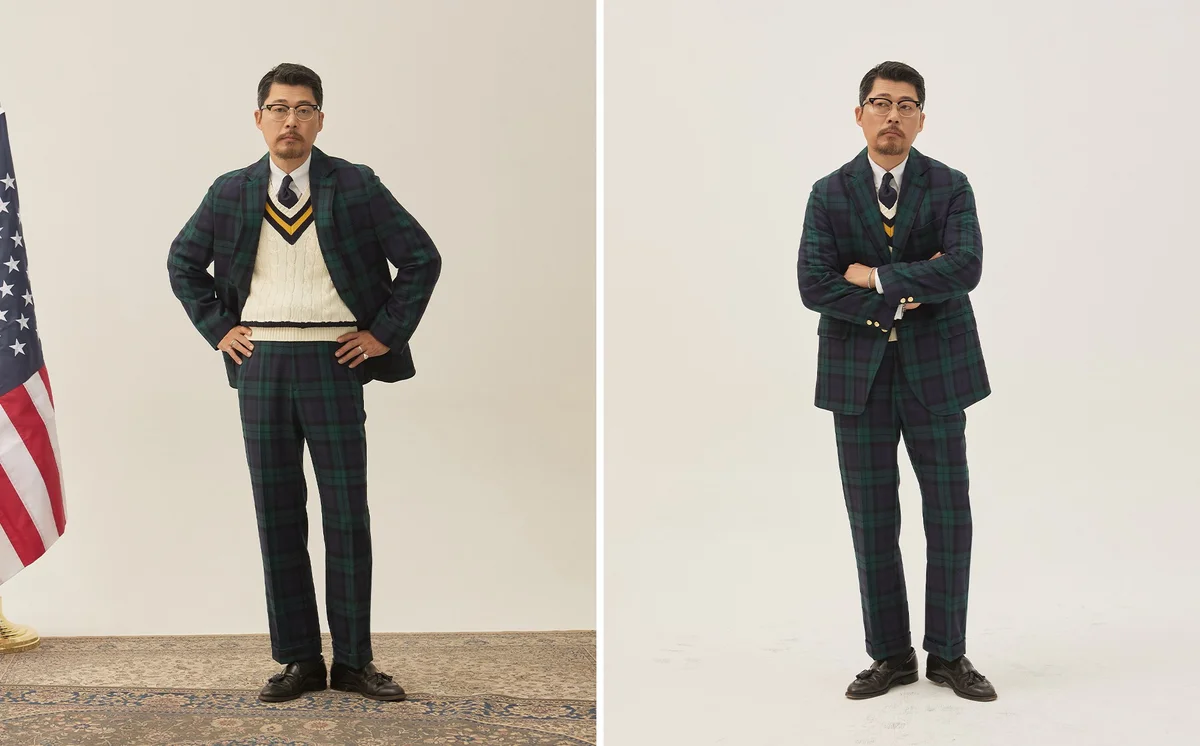
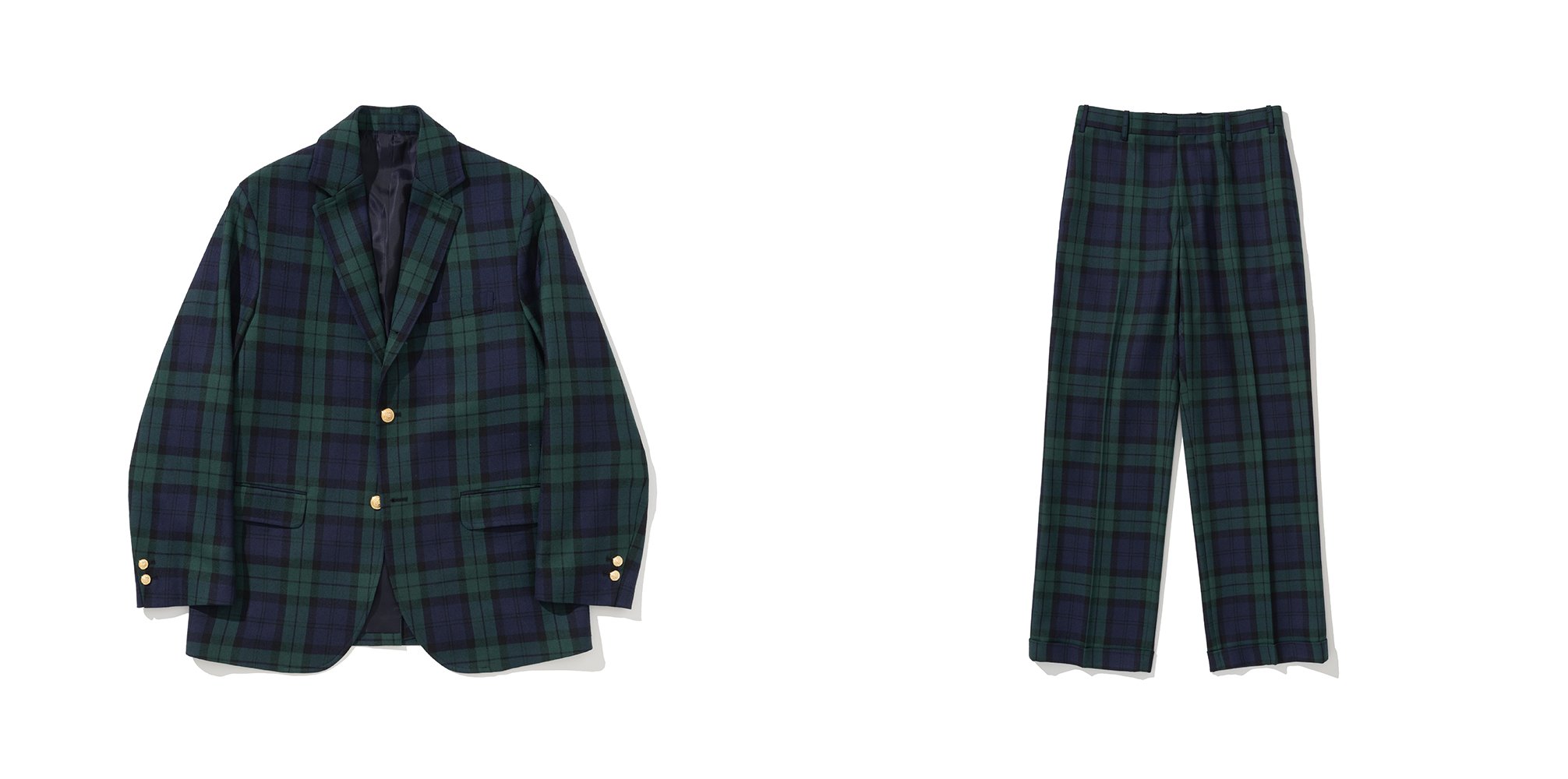
The cricket sweater pairing works because both pieces carry strong pattern DNA. The cable-knit V-neck in cream with colored trim sits against the tartan, and the contrast should feel chaotic — but it doesn’t. The patterns operate at different scales: large plaid underneath, fine knit texture on top. That scale difference is why they harmonize instead of clashing.
This is not an everyday suit. Save it for events where you want to be remembered — holiday parties, gallery openings, the kind of dinner where someone asks “who are you wearing?” In Seoul, it maps perfectly to year-end gatherings when everyone else defaults to solid navy or black.
A Black Watch sack suit with a cream cricket knit and brown penny loafers is a complete look. No tie. No pocket square. The suit and sweater say enough.
How to wear it: a white OCBD is non-negotiable, because the tartan needs a clean canvas. A solid navy knit tie recedes enough to let the pattern lead. Burgundy penny loafers pick up the warmth in the green.
Sack Suit FAQ
What is a sack suit?
A single-breasted suit with no shoulder padding and no waist darts, so the body hangs straight from chest to hip. It is defined by the natural shoulder, the 3/2 lapel roll and the undarted front.
What is the Brooks Brothers Number One sack suit?
The model Brooks Brothers formalized in 1901 and sold for decades with almost no change. It is the pattern every later sack suit descends from, including the Renacts jackets in this guide.
How is a sack suit different from a regular suit?
A modern suit is darted and padded to build a V-shape. A sack suit removes both. It follows the body instead of reshaping it, which is why it reads relaxed rather than powerful.
Why does a sack suit have no darts?
Darts pull cloth in at the waist to create an hourglass line. Leaving them out keeps the front panel whole, so the jacket drapes in one clean column and stays comfortable seated.
Is the sack suit still in style?
Yes. The soft-shouldered cut returned through Drake’s, J. Press and the wider Ivy revival, and it suits a wider range of builds than a heavily structured suit does.
How should a sack suit fit?
The shoulder seam must land on your own shoulder bone — that is the one thing a tailor cannot fix afterwards. Everything else, including waist and sleeve, can be adjusted.
Going deeper? Read the full sack suit history from the 1901 Brooks Brothers Number One to Seoul.